Quick answer: 3D acrylic letters
- What they are. 3D acrylic letters are dimensional signs built from one or more layers of cut acrylic, raised off the wall on standoffs or stacked to create depth. Flat-cut acrylic letters, by contrast, sit flush against the wall.
- How they look. A shadow gap sits between the letter and the wall, or between layers, so the sign catches light differently through the day. Some designs are backlit for a halo glow at night.
- How they’re made. A laser cutter or CNC router cuts the letter shapes from acrylic sheet. Single-layer letters mount on standoffs. Multi-layer letters stack two or more pieces of acrylic with a gap between them.
- Where they’re used. Reception and lobby signage, retail storefronts, office branding, cafes and event signage: anywhere a flat sign would look too plain.
What are 3D acrylic letters?
3D acrylic letters are multi-layer or standoff-mounted acrylic signs that create depth, rather than sitting flush against the wall like flat-cut acrylic letters. Depth comes from one of two constructions: a single layer of acrylic held away from the wall on standoffs, or two or more layers stacked with a gap between them.
Acrylic (PMMA, also sold as Perspex or Plexiglas) transmits up to 92% of visible light at 3 mm thickness, and weighs roughly half as much as glass of the same size (Wikipedia: Poly(methyl methacrylate)). It is often used as an alternative to glass.
3D vs flat acrylic: the key difference
| Feature | Flat-Cut Acrylic | 3D Acrylic |
|---|---|---|
| Layers | 1 layer | 1 layer on standoffs, or 2 or more stacked layers |
| Mounting | Flush to wall | Standoffs (for example, 5-50mm) |
| Visual effect | Clean, minimal | Depth, shadows |
| Best suited to | Budget signage, small text | Feature walls, lobby signage, branding |
Layering techniques
The “3D” in 3D acrylic comes from layering or standoff spacing. Configurations include:
| Technique | Layers | Effect | Suits |
|---|---|---|---|
| Single layer on standoffs | 1 | Shadow behind the letter | Simple dimensional signage |
| Simple stack | 2 | Basic depth, shadow behind | Budget 3D signs |
| Multi-colour | 2-3 | Colour contrast, outline effect | Logos, brand colours |
| Gradient depth | 3-5 | Progressive shadow, layered look | Corporate lobbies |
| Floating letters | 1 or more, on hidden standoffs | Halo/glow effect when backlit | Reception areas |
Layer and standoff spacing
The gap between the letter and the wall, or between layers, sets how strong the shadow reads. These ranges are a practical starting point, not a standard:
- 5-10mm: subtle shadow, close mounting.
- 15-25mm: a clear shadow, visible from a few metres away.
- 30-50mm: a dramatic float, needs a solid wall fixing.
For outdoor signs, choose standoffs rated for outdoor use, such as stainless steel.

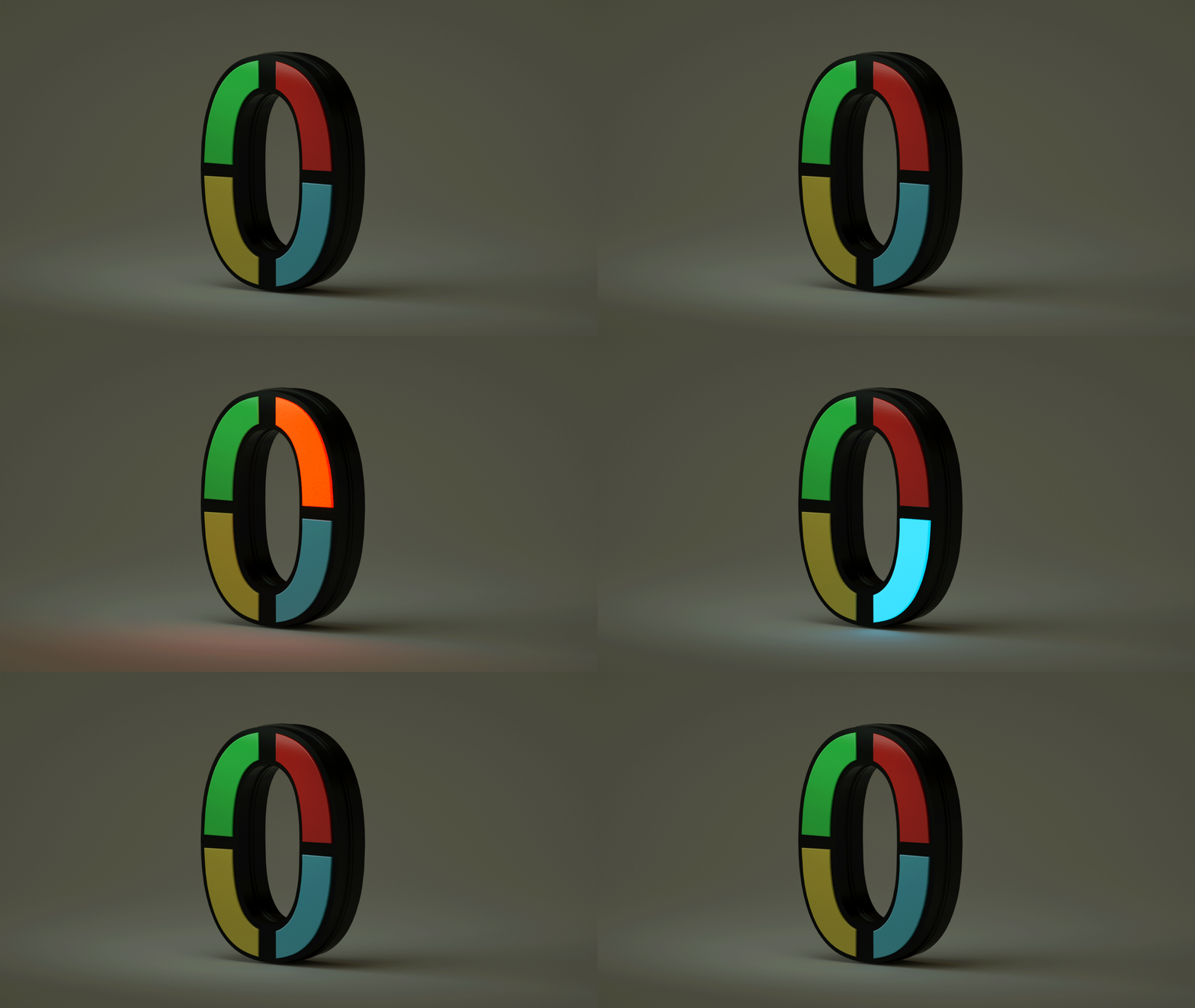
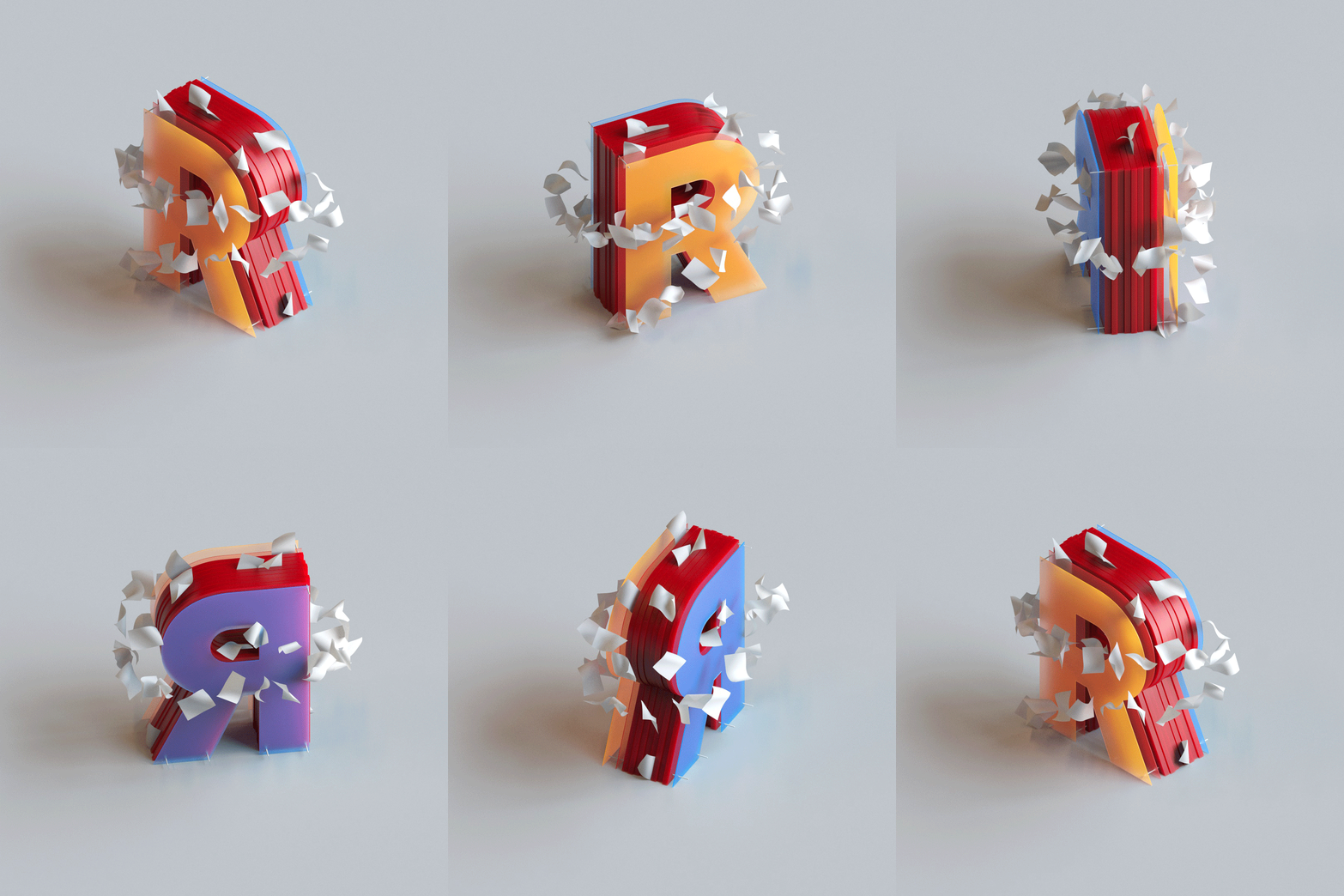
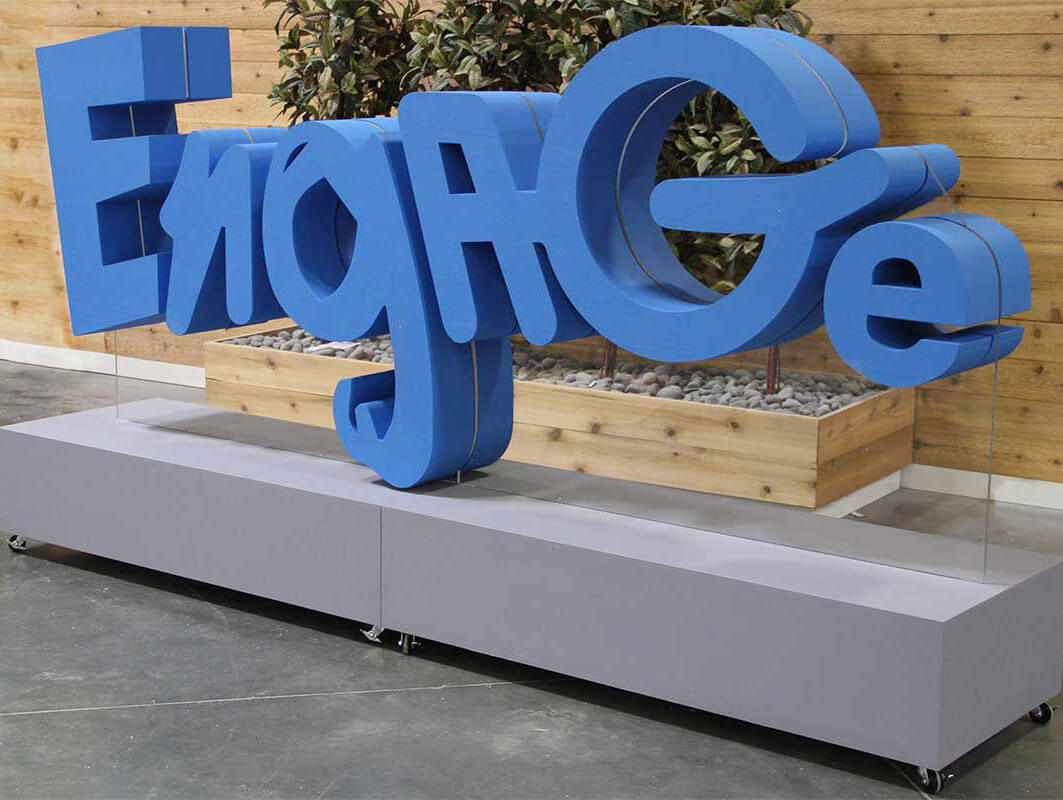
The render above shows no actual sign; it illustrates the kind of stacked, layered depth that layering techniques aim to recreate in acrylic.
Comparisons with other acrylic signage types
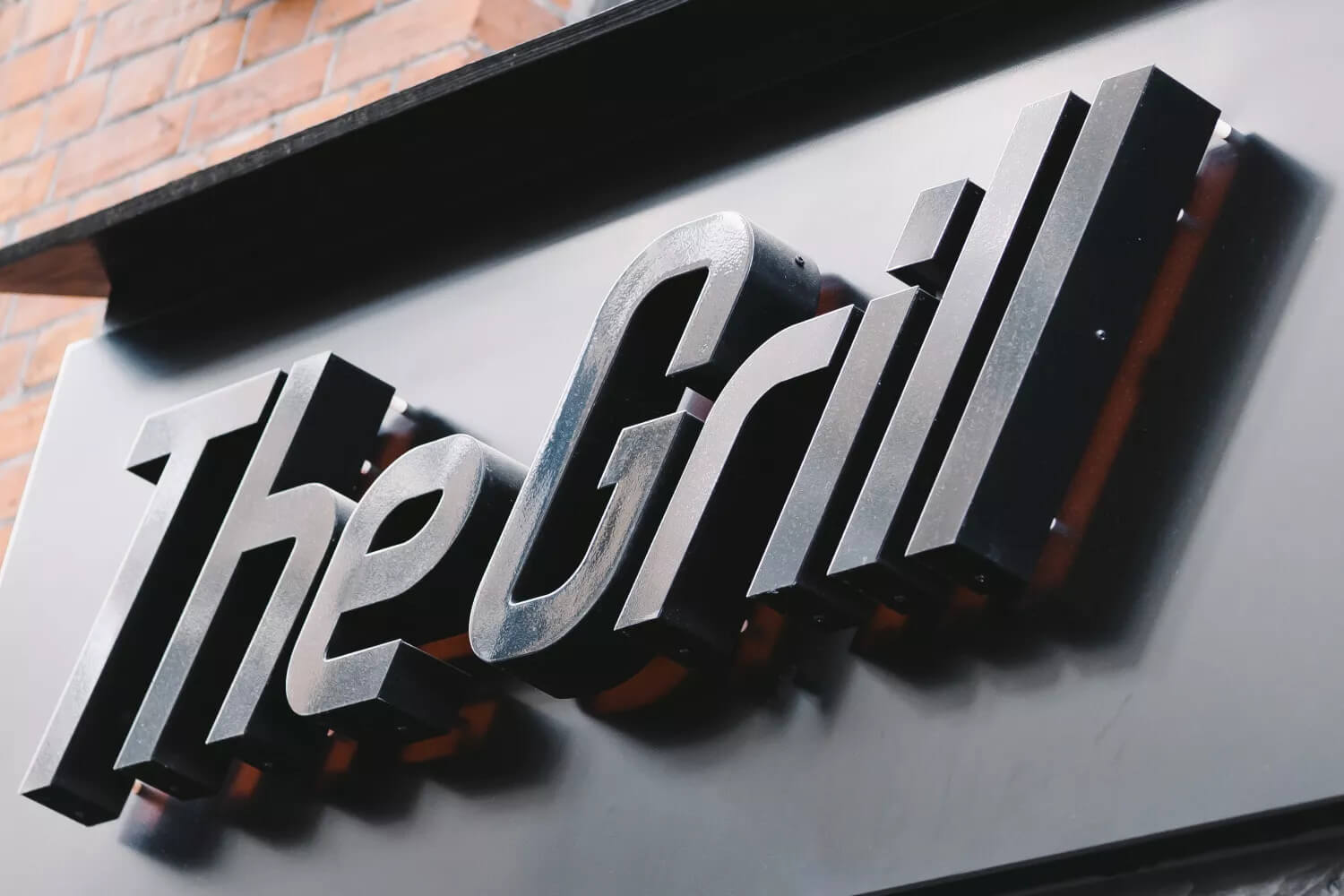
Image source: glyphics.co.uk
3D acrylic letters sit alongside other sign materials. Each has a different look, cost and durability profile.
Neon signs
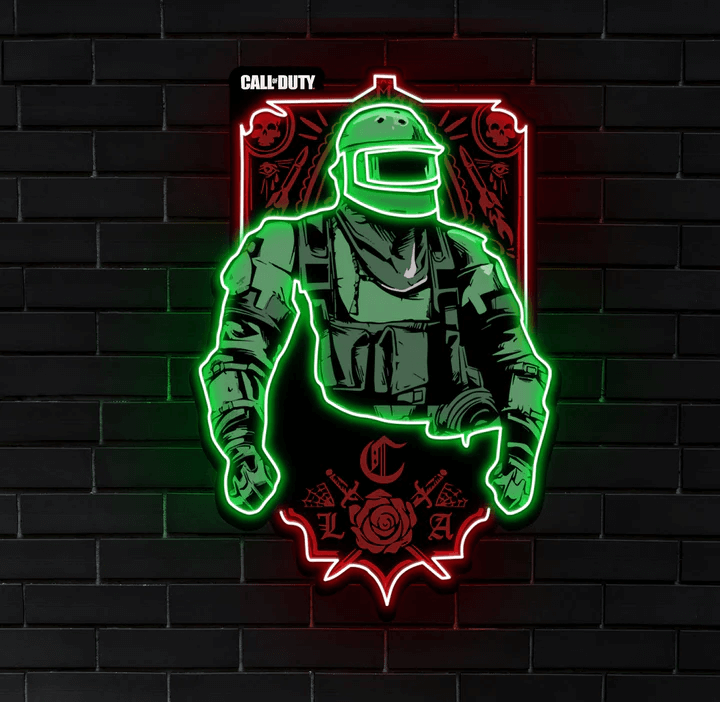
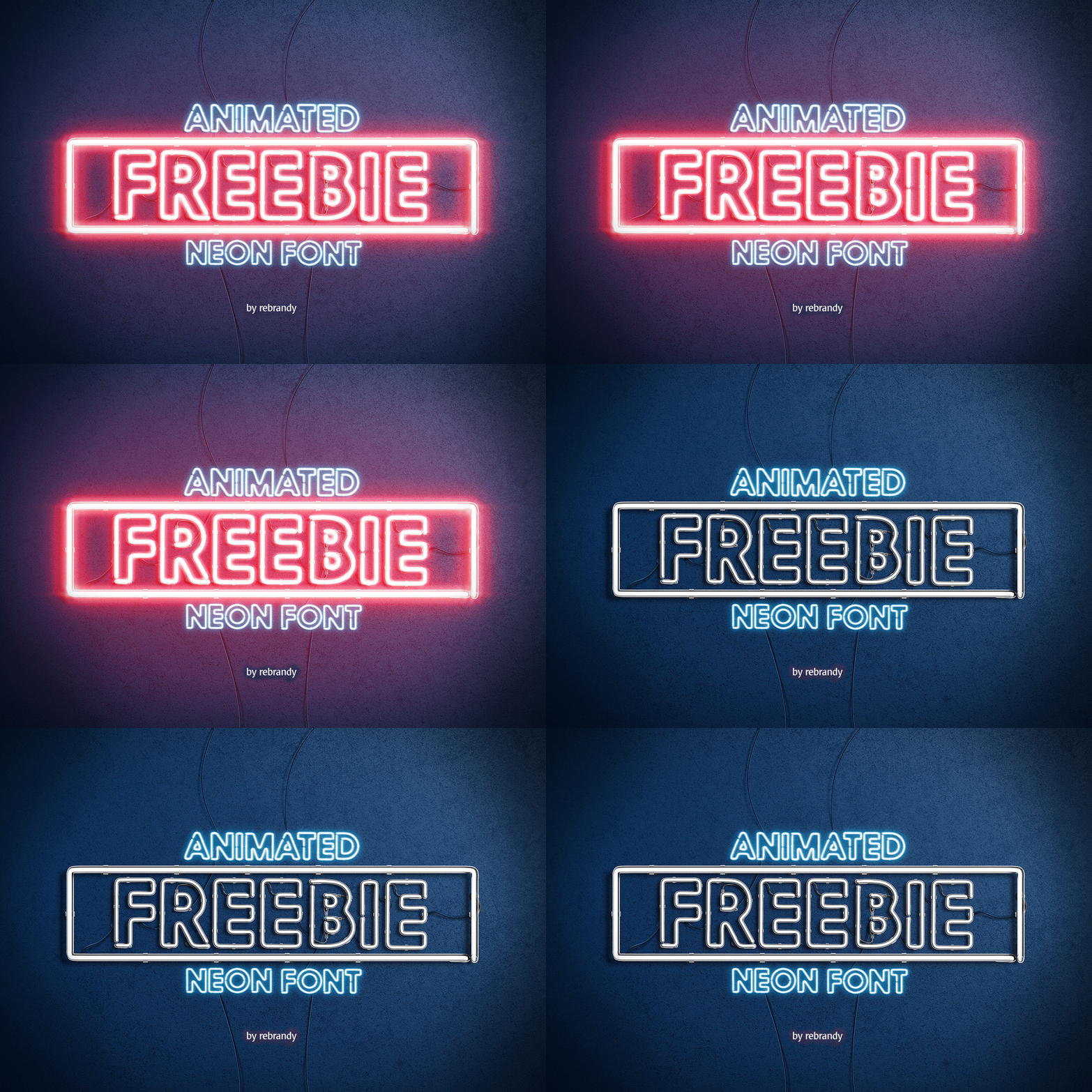
Neon signs use glowing gas-filled glass tubes, or LED neon, for a retro, glowing look. 3D acrylic letters do not glow on their own. Their effect comes from shape and shadow rather than light, though they can be backlit with LEDs for a halo effect after dark.
Metal signs
Metal gives a different look and finish. 3D acrylic letters come in a wide range of colours and finishes.
Wood signs
Wood signs carry a natural, rustic look that acrylic does not try to copy. Acrylic gives a smooth, coloured or clear finish instead.
3D acrylic letters: applications in various industries
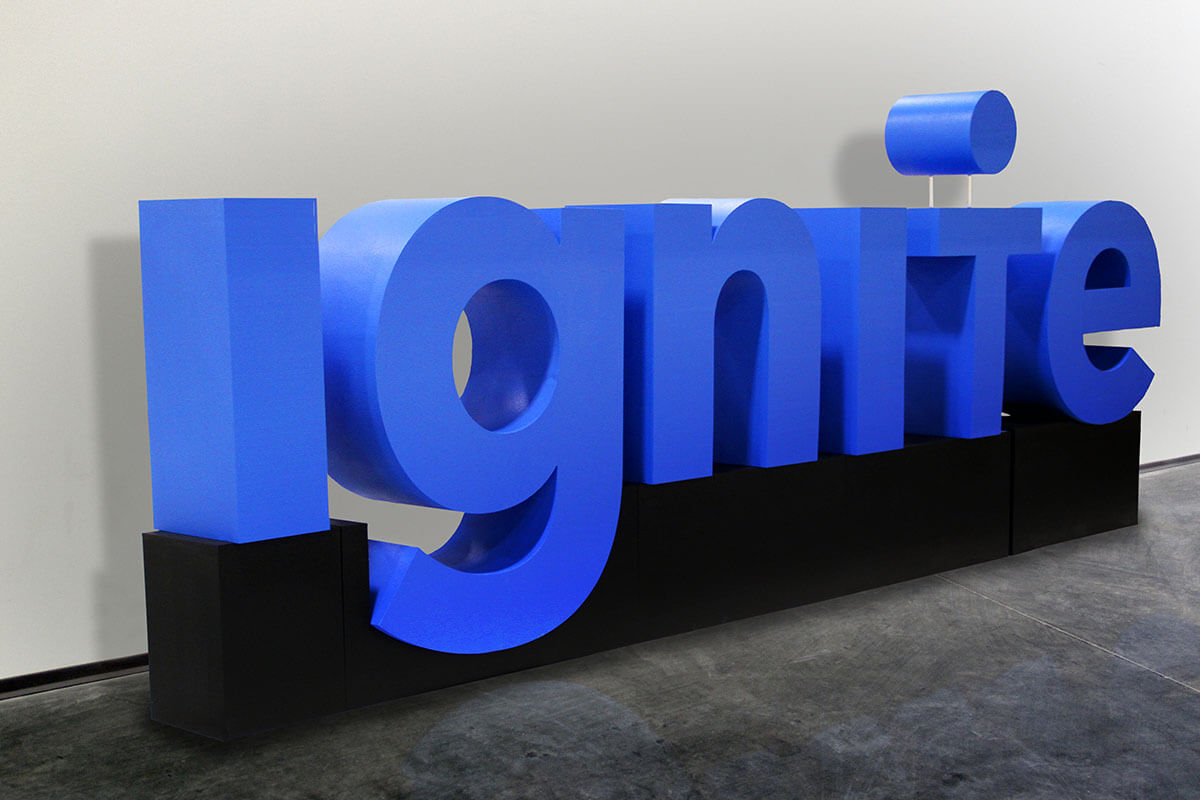
Image source: whiteclouds.com
3D acrylic letters turn up across retail, interior design, corporate branding and events.
Retail signage
Storefronts use 3D acrylic letters for shop names and promotional signage. The raised lettering adds depth and shadow that a flat vinyl sign lacks.
Interior design
Cafes, restaurants and boutiques use 3D acrylic lettering on feature walls and above counters, where the shadow effect adds texture to an otherwise flat surface.
Corporate branding
Office lobbies and reception desks suit 3D acrylic letters. A raised logo or company name adds depth and shadow to the wall.
Event marketing
For trade show booths and conference signage, 3D acrylic letters are an alternative to foam board or printed banners, and can be reused between events.
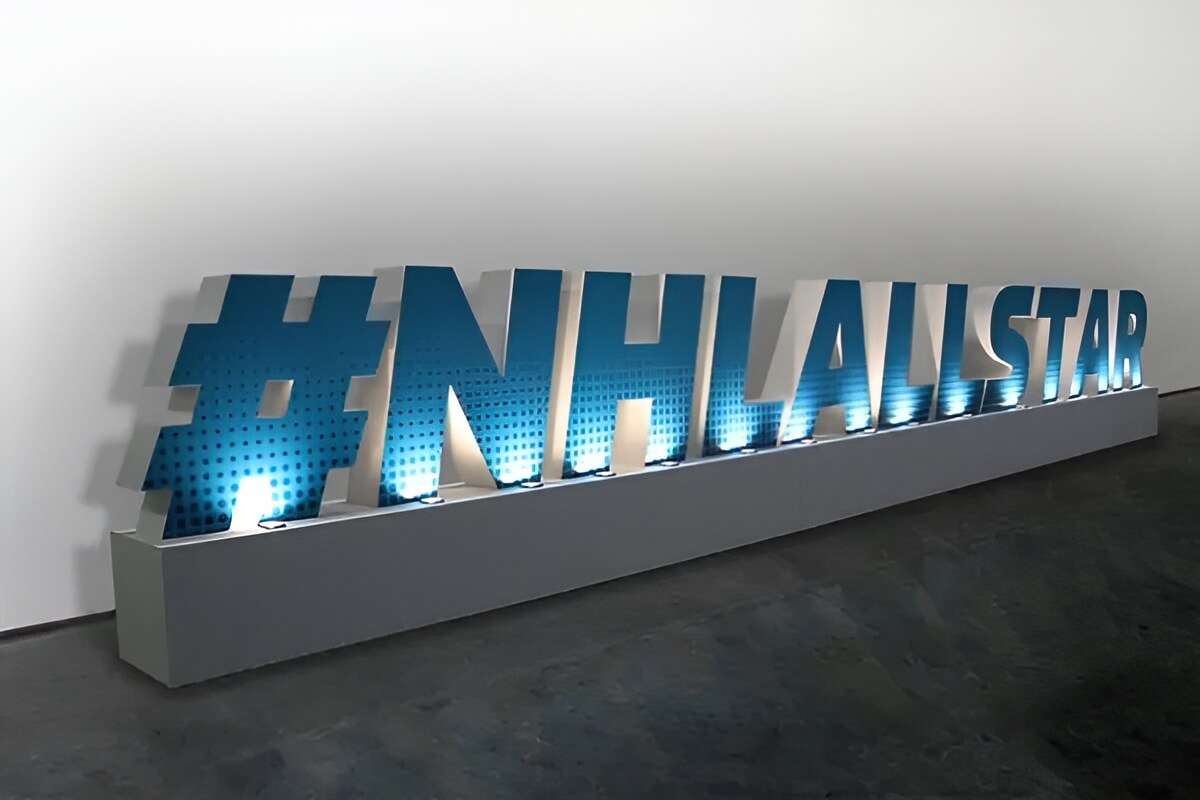
Image source: whiteclouds.com
Popular styles and fonts for 3D acrylic letters
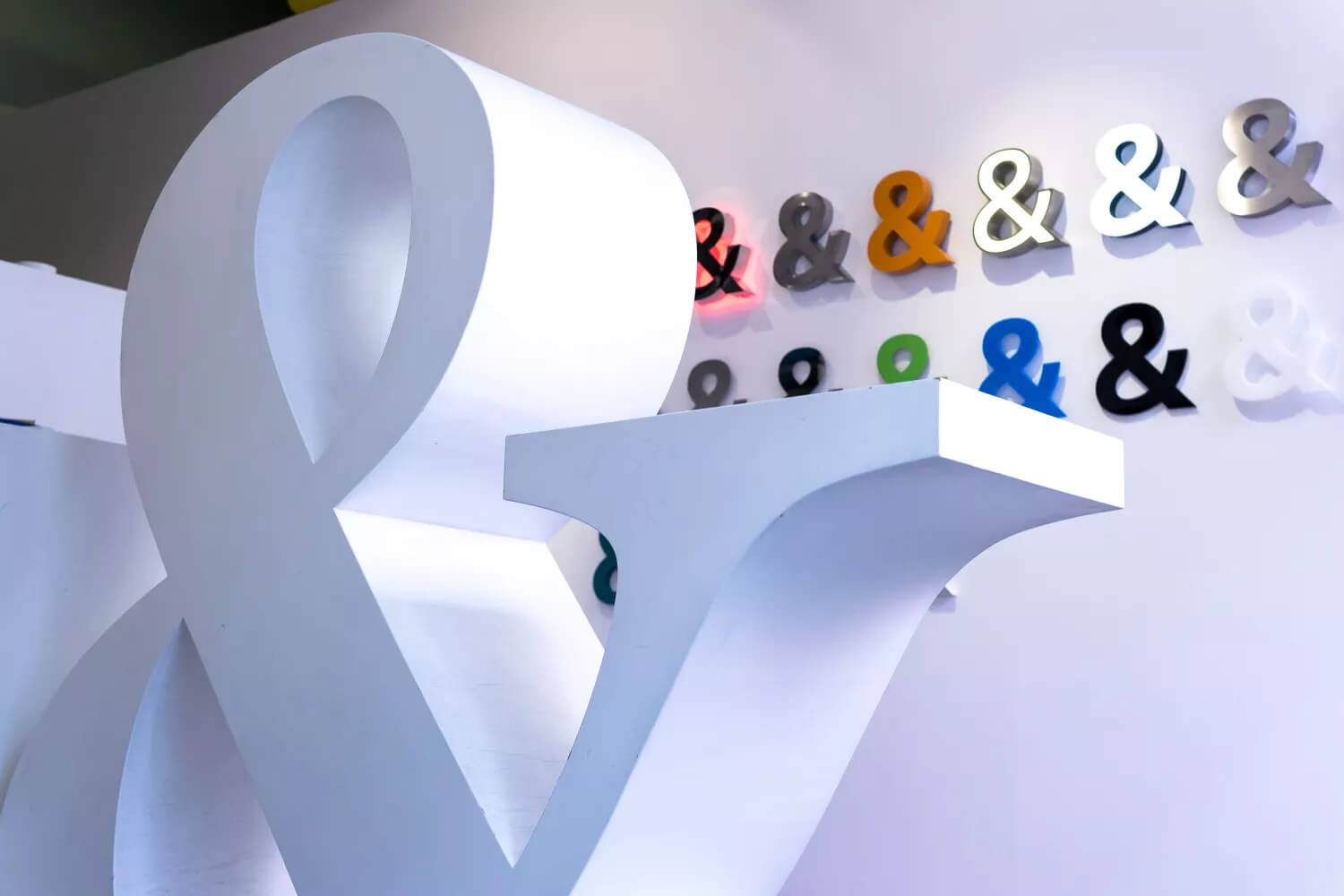
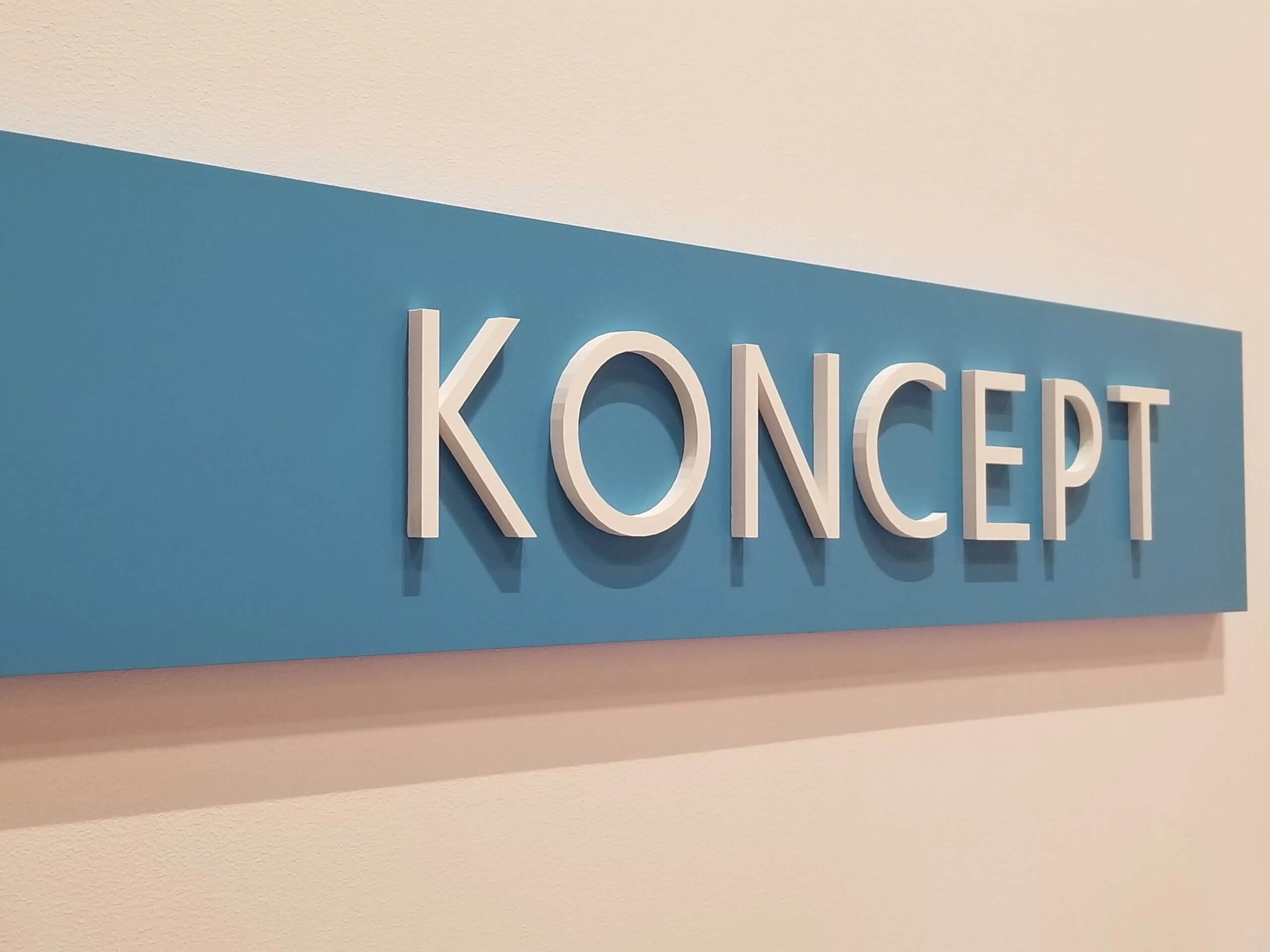
Image source: signsny.com
Font choice changes how a 3D acrylic sign reads. Serif and sans-serif fonts sit at opposite ends. Serif fonts can look authoritative and traditional; sans-serif fonts are associated with modern design, like the letters above.
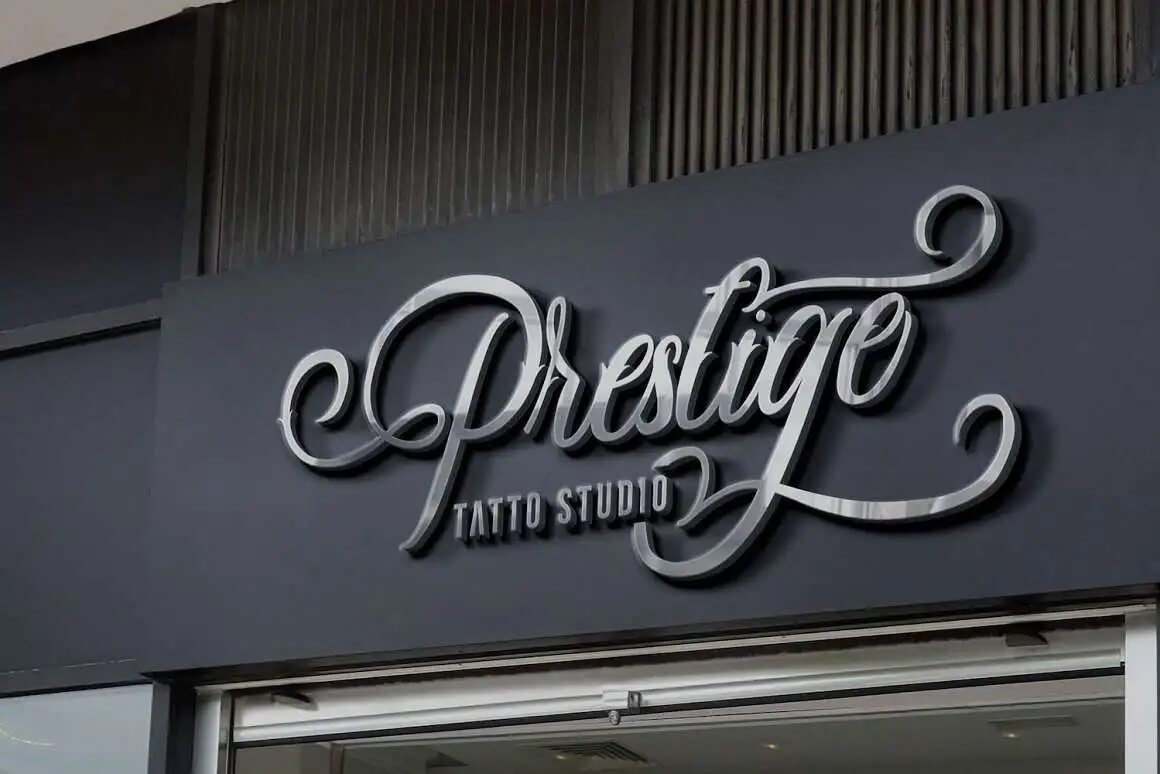
Image source: dafontfree.co
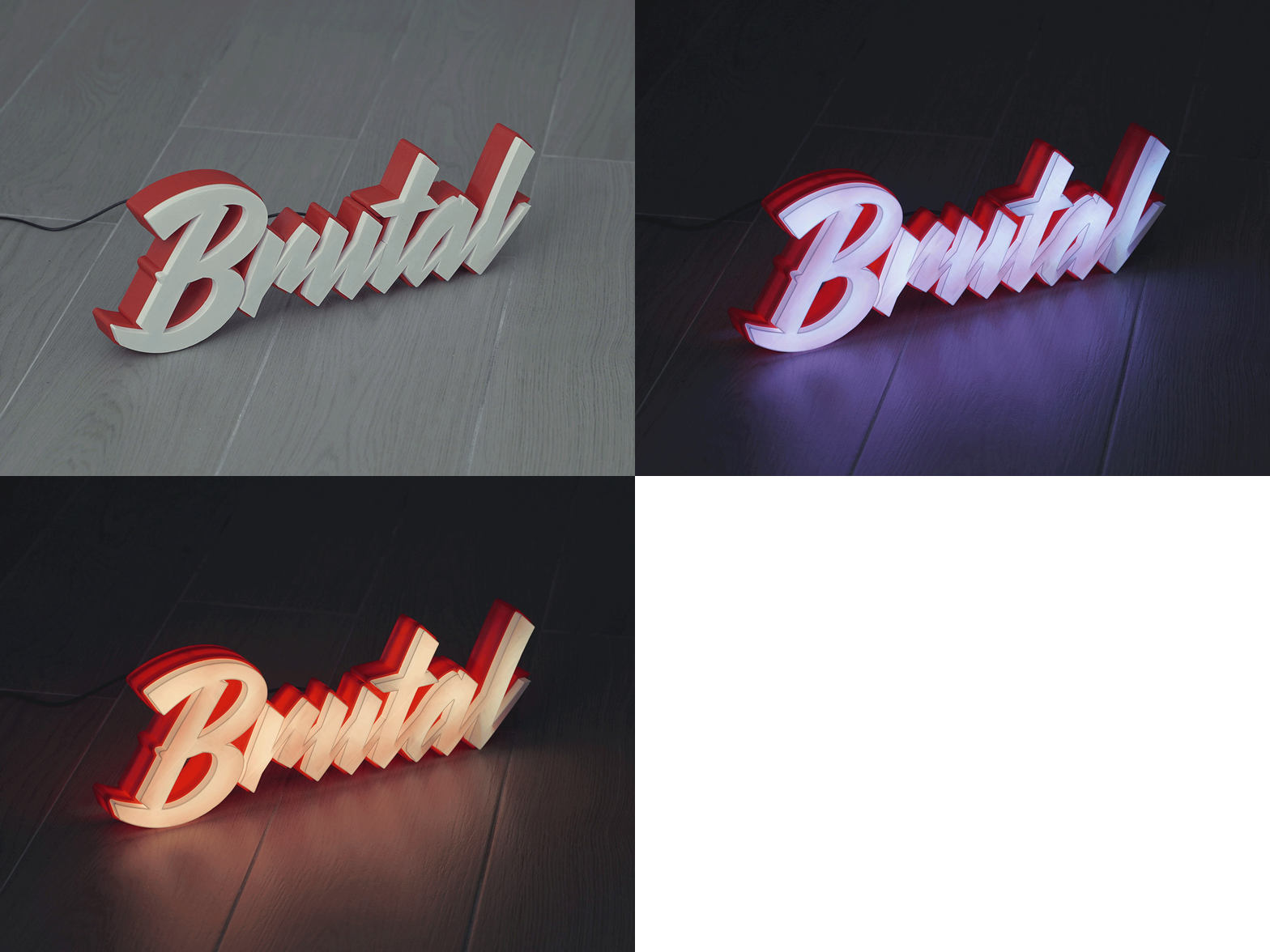
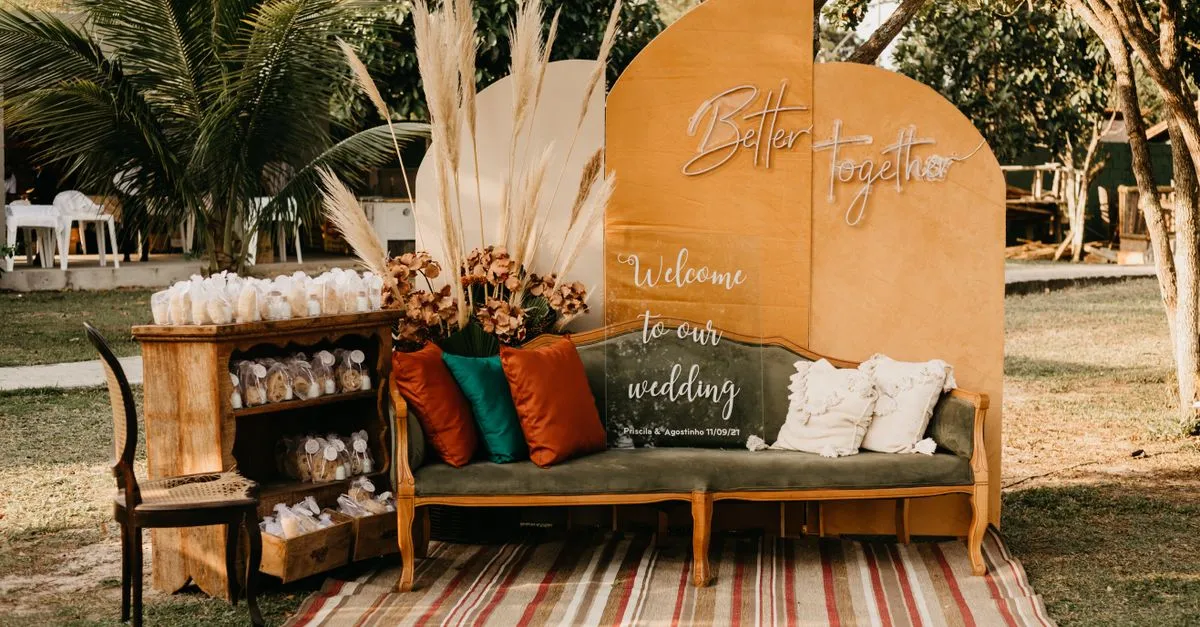
Script fonts work well for names, quotes or a single word, and the dimensional cut brings out the flow of the cursive strokes.
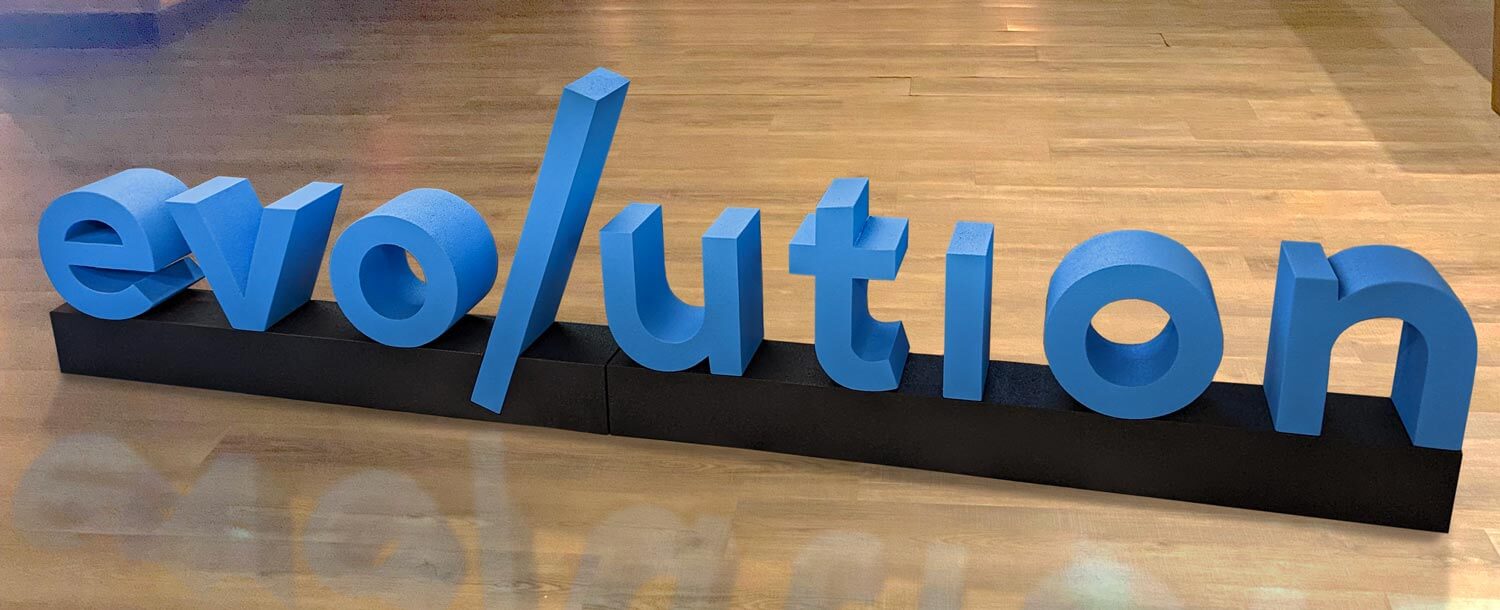
Image source: whiteclouds.com
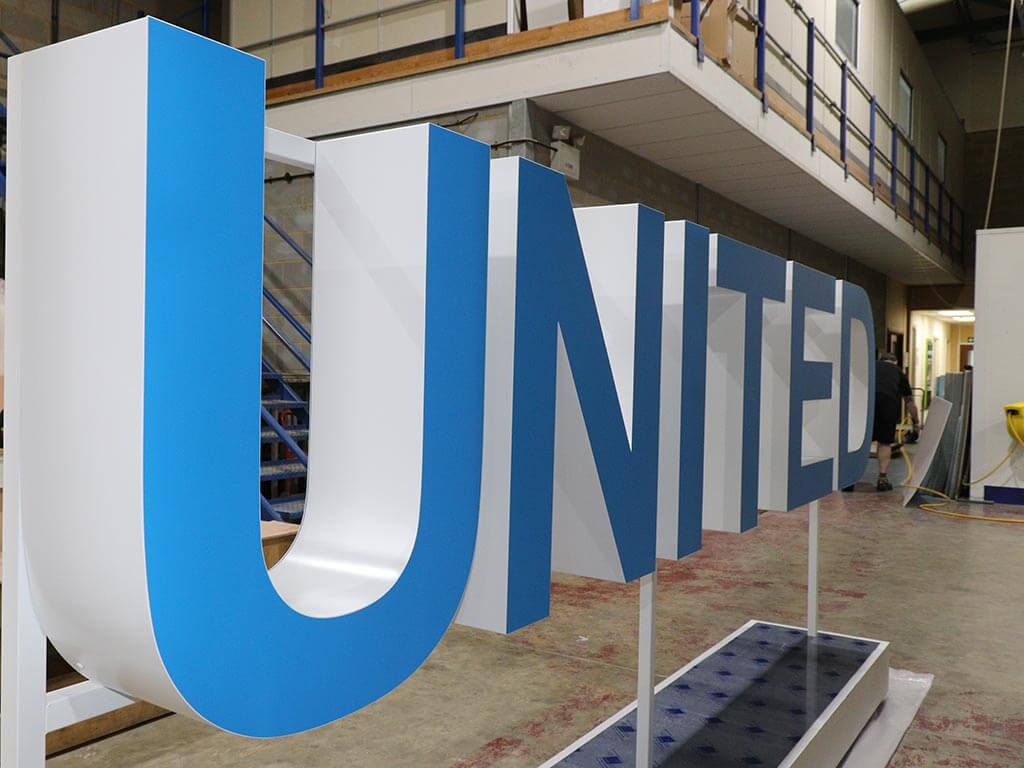
Bold geometric or minimalist letterforms suit more contemporary branding.
Lighting techniques for enhanced effects
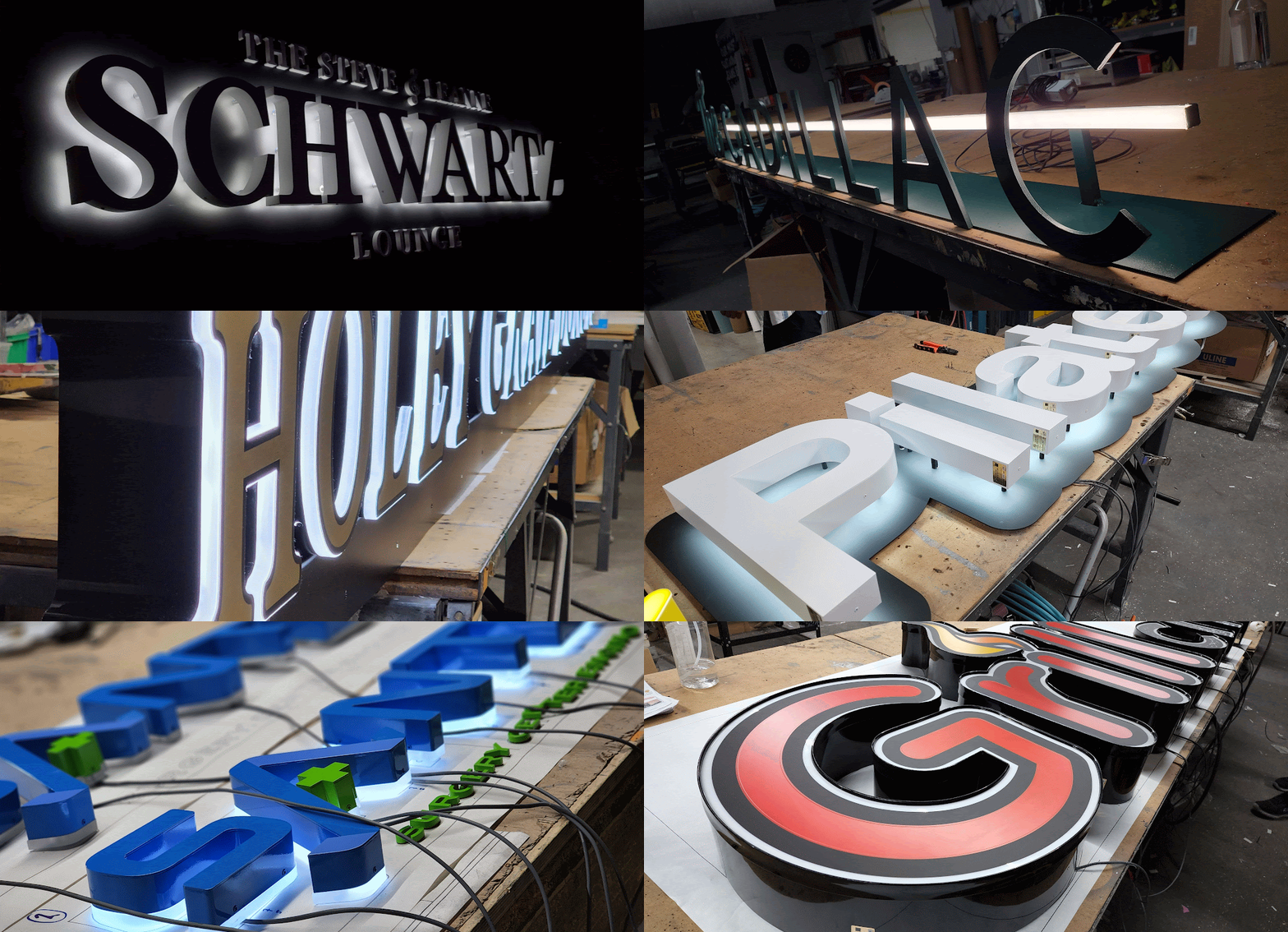
3D acrylic letters can be lit or left unlit. Backlighting mounts LEDs behind the letters, with enough standoff gap for the light to spread, and creates a halo glow around each letter that is most noticeable after dark. Edge-lighting runs LEDs along the side of the acrylic so light travels through the material, and works for simpler single-layer designs. Left unlit, the letters still cast a natural shadow from ambient light.
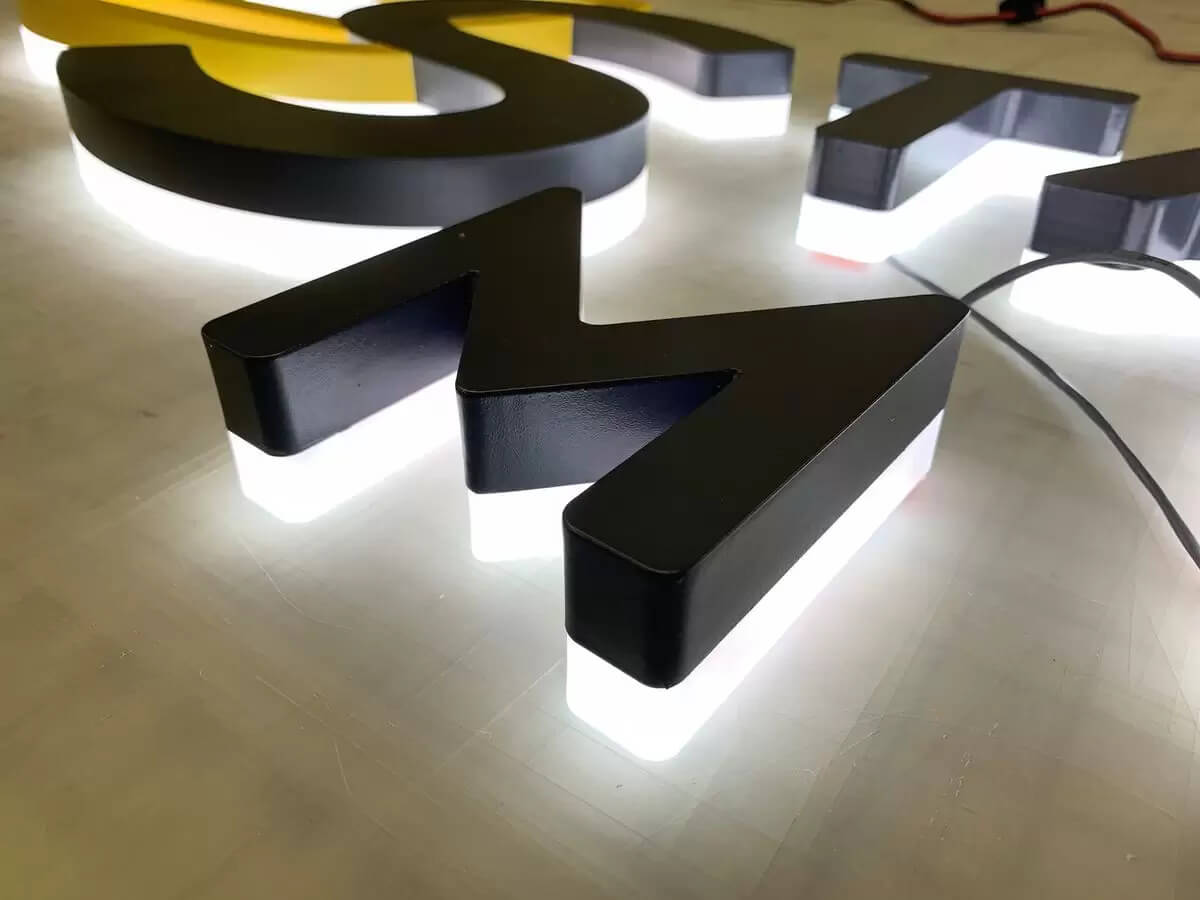
Image source: frontsigns.com
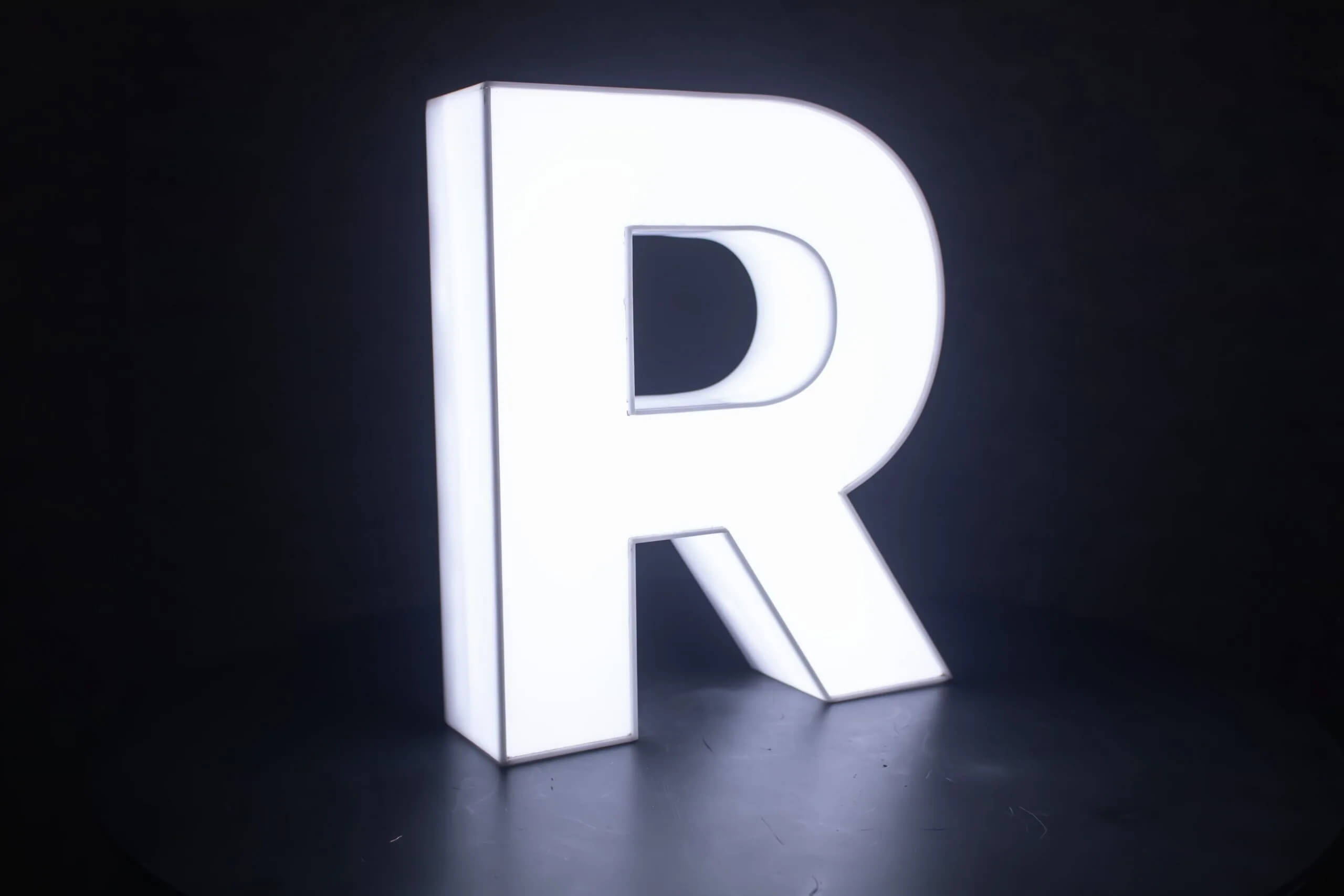
Image source: signagemumbai.in
How to make 3D acrylic letter signs?
- Design. Choose the font, size and layer count. Acrylic sign design software can capture the customer’s font and size choices.
- Material selection. Choose acrylic sheet thickness based on letter size. A thinner sheet suits a front layer; a thicker sheet suits a structural back layer or single-layer standoff mount.
- Cutting. A laser cutter or CNC router cuts the letter shapes from the sheet.
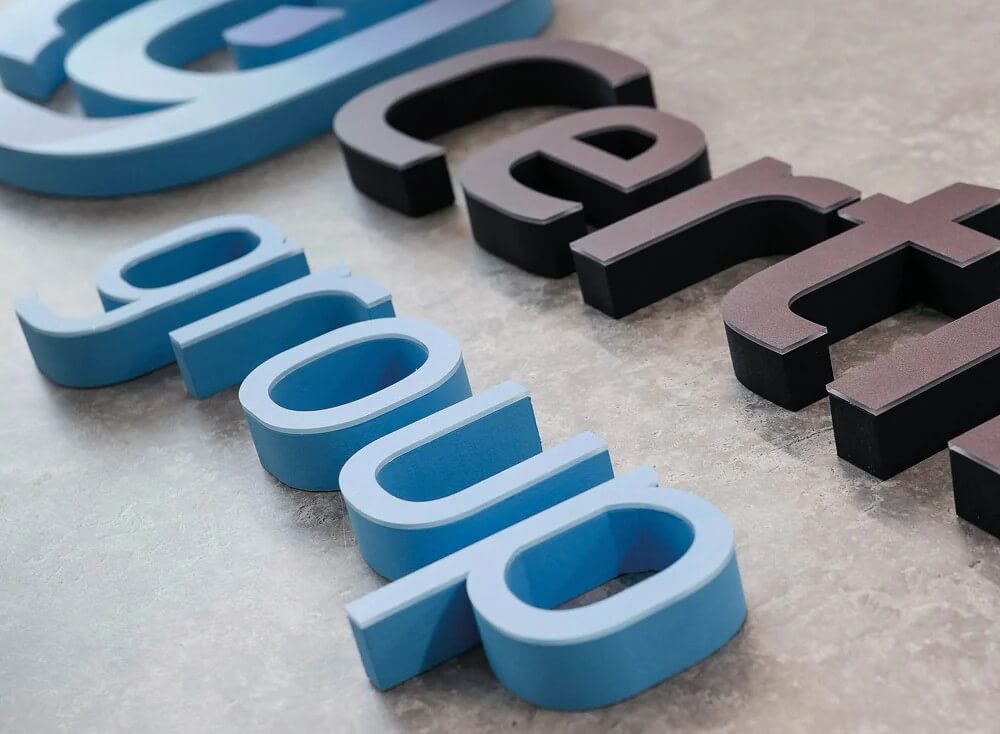
- Colour and finish. Colour comes from coloured or painted acrylic, or from printing or vinyl-wrapping a clear layer. Finishes range from gloss to matte.
- Lighting (optional). Add LED backlighting or edge-lighting if the design calls for it.
- Assembly. Fit standoffs, or stack the layers with spacers, and attach any lighting.
- Quality check. Check alignment, standoff spacing and finish before it ships.
How to install 3D acrylic letters?
- Site assessment. Check the wall for visibility, lighting and a solid fixing point for the standoffs.
- Prepare the surface. Clean the wall so the mounting template sits flat and level.
- Position and align. Mark the standoff positions with a level and a light pencil line.
- Drill and fit standoffs. Drill at the marked points, fit wall plugs where needed, and screw in the standoff bases.
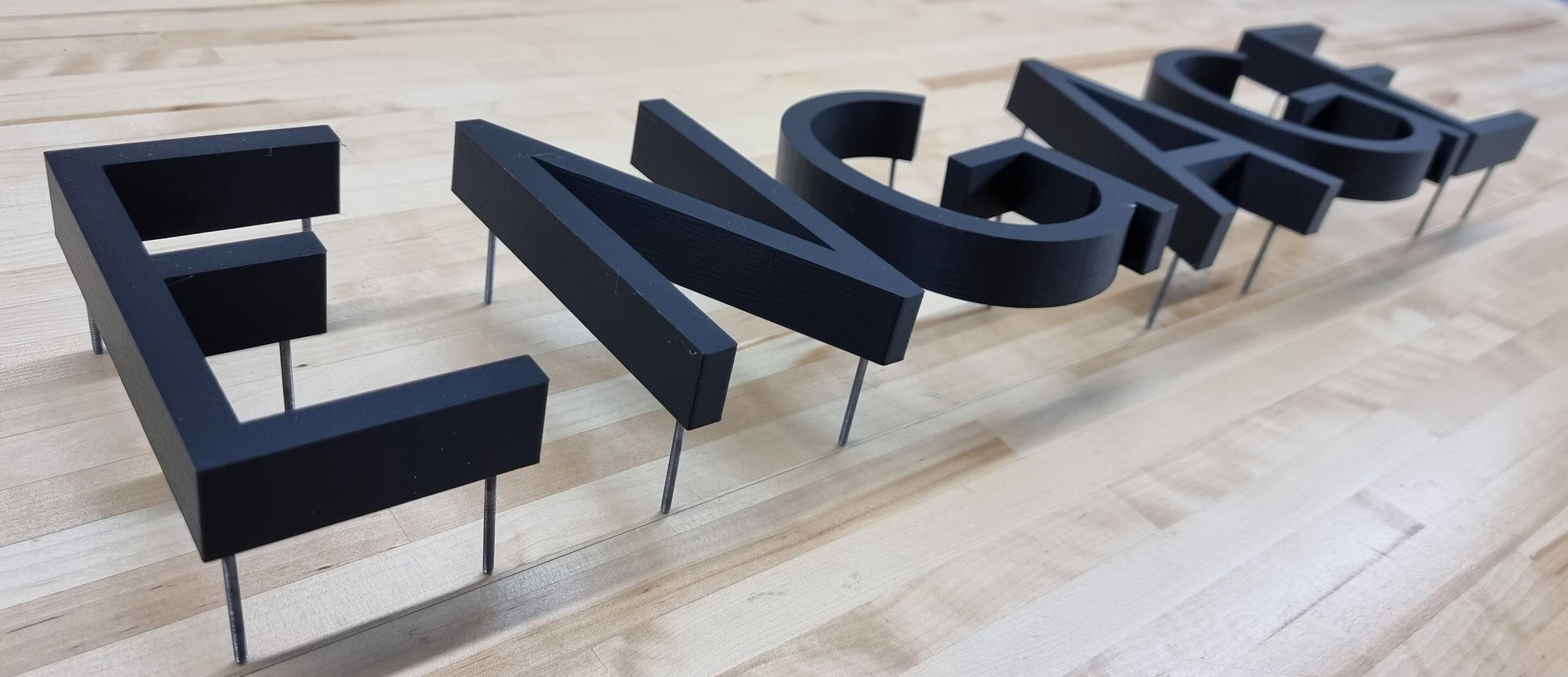
- Mount the letters. Fit the letters onto the standoffs and secure them, following the standoff manufacturer’s fixings.
- Final check. Confirm alignment and that every standoff is tight before leaving the site.
For larger or multi-line installations, a professional installer is worth the cost. Getting spacing wrong on a long word is hard to fix afterwards.
Maintenance tips for 3D acrylic letters
Image source: showcaseplastics.com.au
- Clean gently. Use a soft cloth and a mild soap or acrylic-specific cleaner. Many organic solvents can swell or dissolve acrylic (Wikipedia: Poly(methyl methacrylate)).
- Avoid scratches. Acrylic scratches more easily than glass, so wipe rather than scrub.
- Check the mounting. Inspect standoffs from time to time for movement, especially on outdoor signs.
- Check any lighting. If the sign is backlit, check the LEDs still work and replace any that fail.
Style ideas for 3D acrylic
Layered typography with colour contrast
A contrasting back layer, for example black, behind a coloured front layer is one way to build depth. The colour contrast can create a shadow effect without needing backlighting.
Mixed materials: acrylic and metal
Pairing a metal backing panel with coloured acrylic letters is another option worth considering. The metal gives a different texture to the backing; the acrylic carries the letter colour.
Floating letters with hidden standoffs
Standoffs mounted behind the letter, out of sight from the front, give a cleaner “floating” look. It takes more care to install.
LED integration: edge-lit and backlit
LEDs behind the letters create a halo after dark, as described above. LEDs along the edge send light through the acrylic itself for a simpler glow.
Gradient and ombré finishes
UV-printed colour gradients across the acrylic layers are another finish option to consider.
Why sign shops choose 3D acrylic
Who buys 3D acrylic letters
Buyers include, for example, corporate offices and reception areas that want a raised logo or name sign. Retailers and hospitality venues, such as cafes, salons and boutiques, buy them for feature walls and storefront branding. Event and exhibition companies buy reusable letter sets for trade show stands.
Pricing and selling it online
Instead of quoting each 3D acrylic job by email, a live customiser lets a shopper type their text, pick a font and colour, choose a size, and see the price update as they build the design. Sign Customiser supports standoff mounting and per-word colour choices, with separate face, return and trim colours, in the same builder used for flat-cut acrylic letters, so a shop can offer both from one product.
A worked pricing example
Sign Customiser’s Simple Letter (FIXED_WIDTH) pricing model prices a line as a base price plus a per-letter charge: line price = base price + (non-space character count × price per letter). A standoff-mounted or multi-layer option can then carry its own base price or price multiplier on top. The rates below are illustrative only; you set your own in the admin.
| Design | Letters | Base price (example rate) | Price per letter (example rate) | 3D/standoff option (example rate) | Illustrative total |
|---|---|---|---|---|---|
| Short logo sign, single layer | 6 | $25 | $6 | +$20 flat | $81 |
| Reception name sign, 2-layer | 14 | $35 | $8 | +$60 flat | $207 |
Production and material notes
3D acrylic letters are cut on a laser cutter or CNC router from acrylic sheet. Cast acrylic machines more cleanly than extruded acrylic (Wikipedia: Poly(methyl methacrylate)). When SVG output is turned on, the order email links to an SVG file of the design, along with the letter type, colours and options the customer chose, so your production team gets order-ready details without chasing the customer for missing specs.
Get started
Sign Customiser works with Shopify, WooCommerce, Wix, Webflow, Squarespace and Etsy. Plans run from $29 to $299 a month, and every plan starts with a 7-day free trial. Start your free trial, or see full pricing.
Related: Acrylic letters for signs: types, uses and pricing and 3D acrylic logo signs for corporate branding applications.
FAQs
How much do 3D acrylic letters cost?
It depends on the size, layer count and mounting you choose, and every sign shop sets its own rates. A quick way to check is to build the design in a live customiser and see the price update as you go.
What acrylic thickness works best for 3D letters?
As a rule of thumb, a thinner front layer (for example 3-5mm) is lighter and easier to mount, and a thicker back layer or standoff-mounted single layer (for example 5-10mm or more) gives more support. For outdoor signs, ask your supplier which thickness suits the site.
How do you mount 3D acrylic letters?
Standoffs (metal spacers) hold the letters away from the wall. Installers screw each standoff base into a wall plug, then fix the letter to the bases with the standoff caps. A mounting template keeps multi-letter signs aligned.
Can 3D acrylic letters be backlit?
Yes. Leave enough standoff gap behind the letters for LED strips, and the letters cast a halo glow around their edges after dark.
What’s the difference between 3D acrylic and channel letters?
Channel letters are hollow, illuminated boxes with acrylic faces and metal or plastic returns. 3D acrylic letters are solid acrylic, layered or standoff-mounted rather than hollow.