3D Acrylic Letters: Layered Signs for Sign Shops
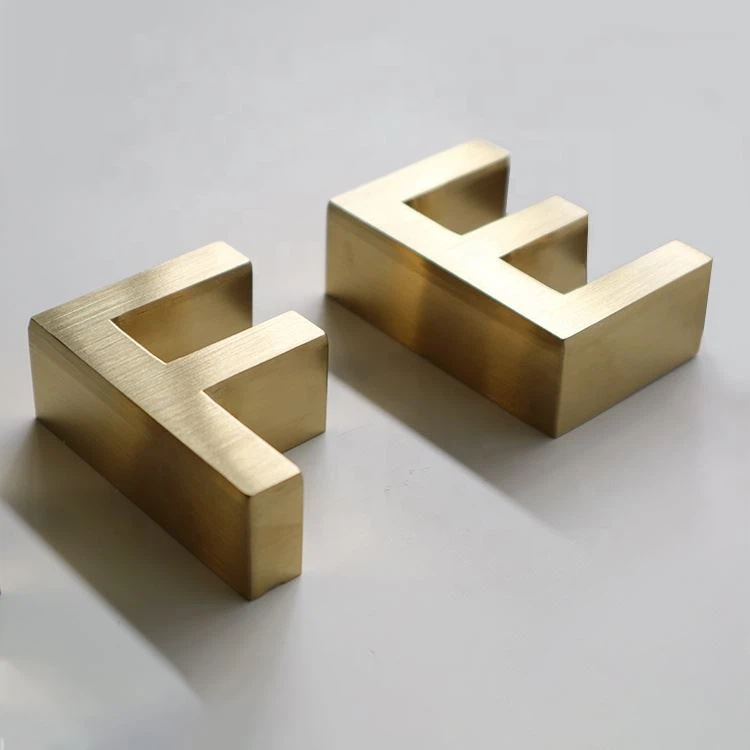
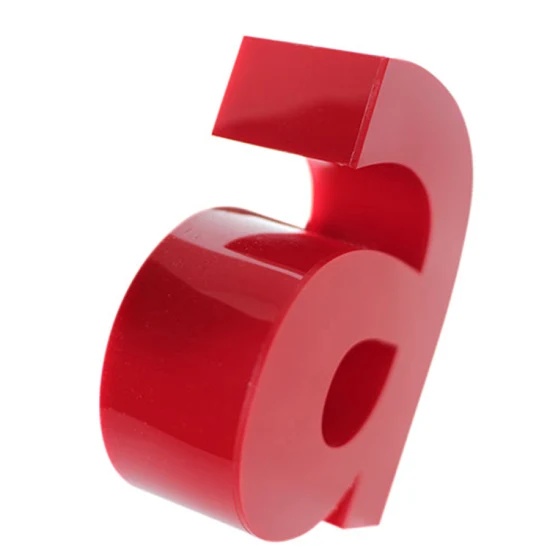
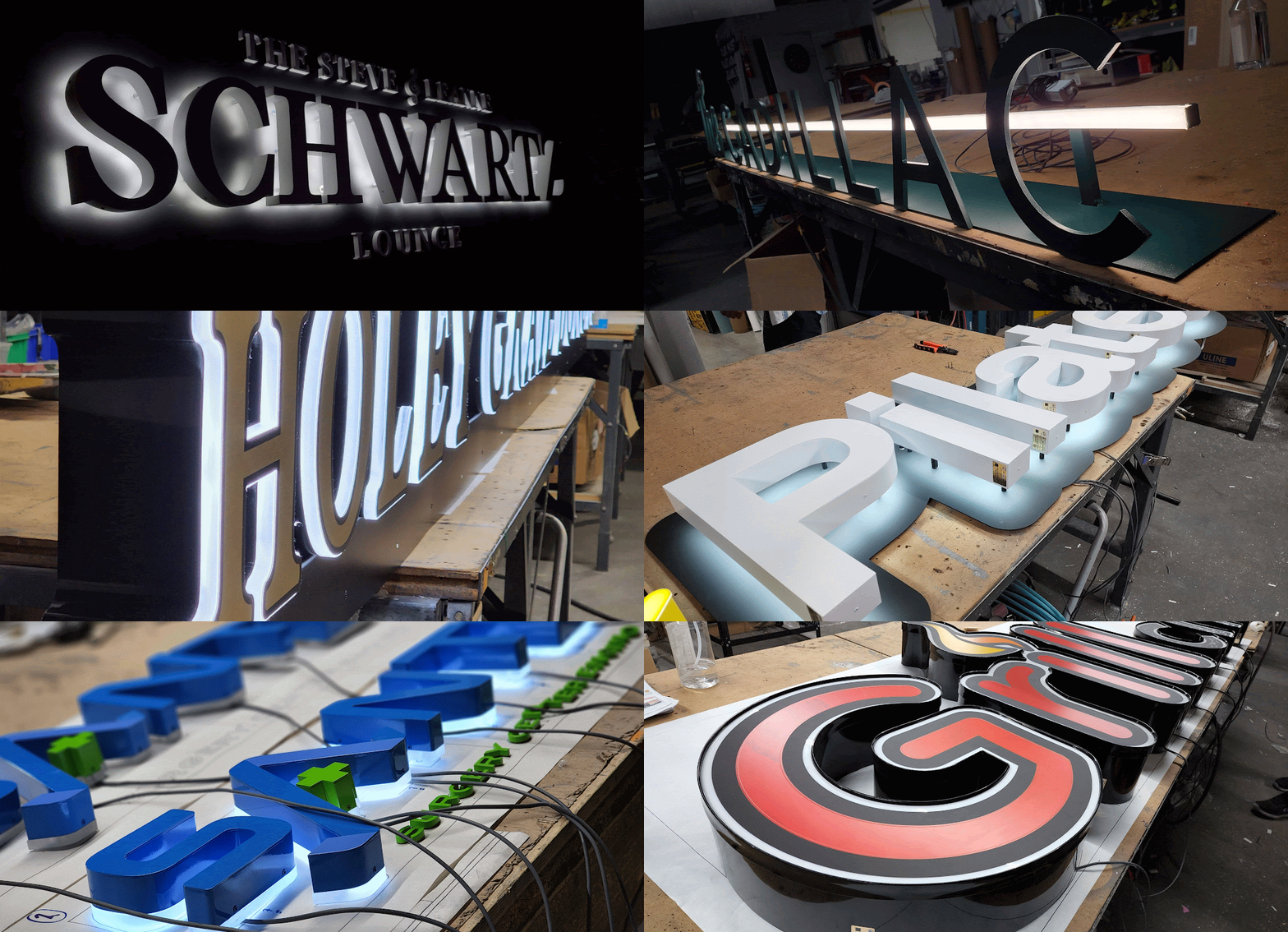
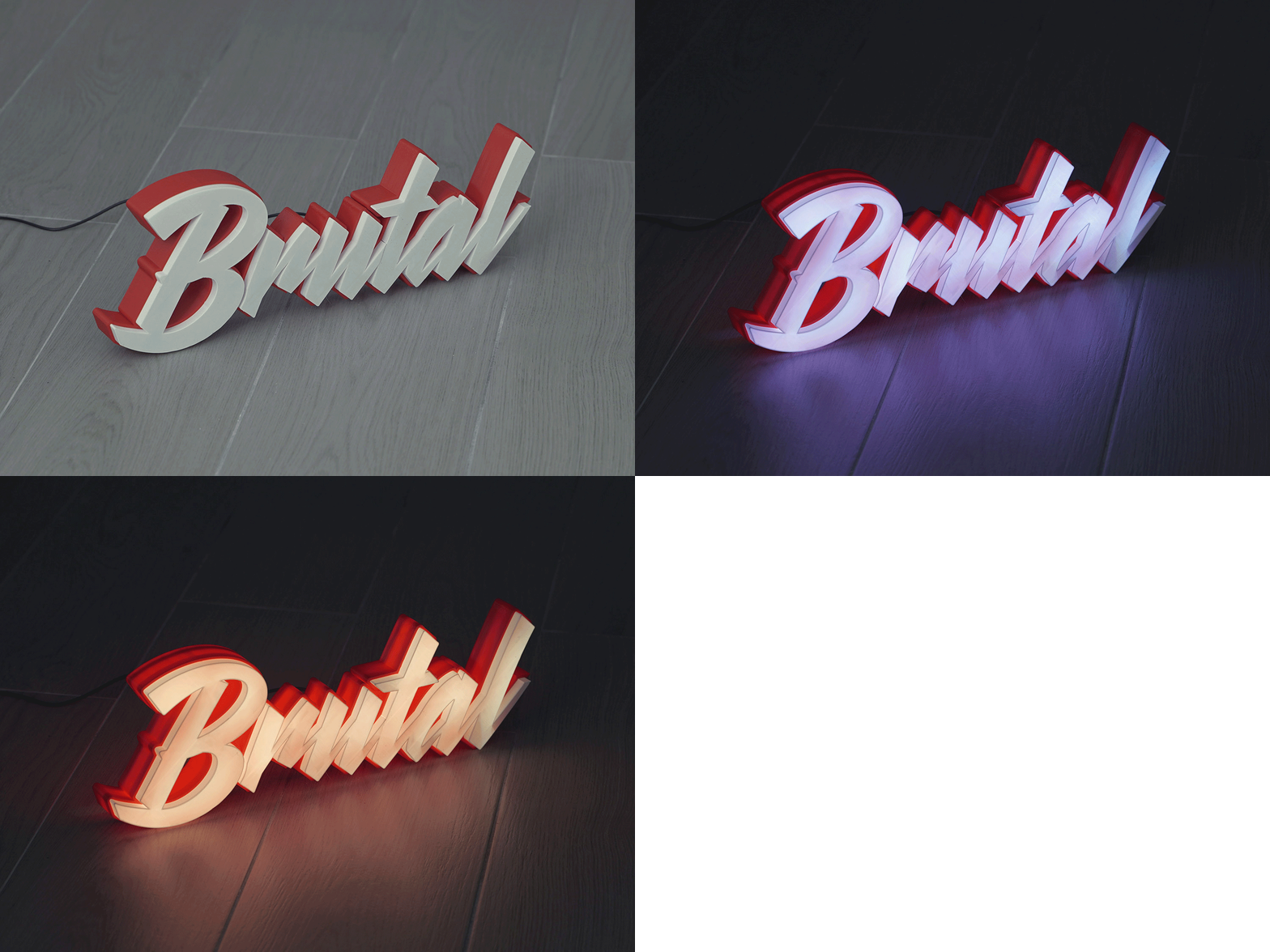
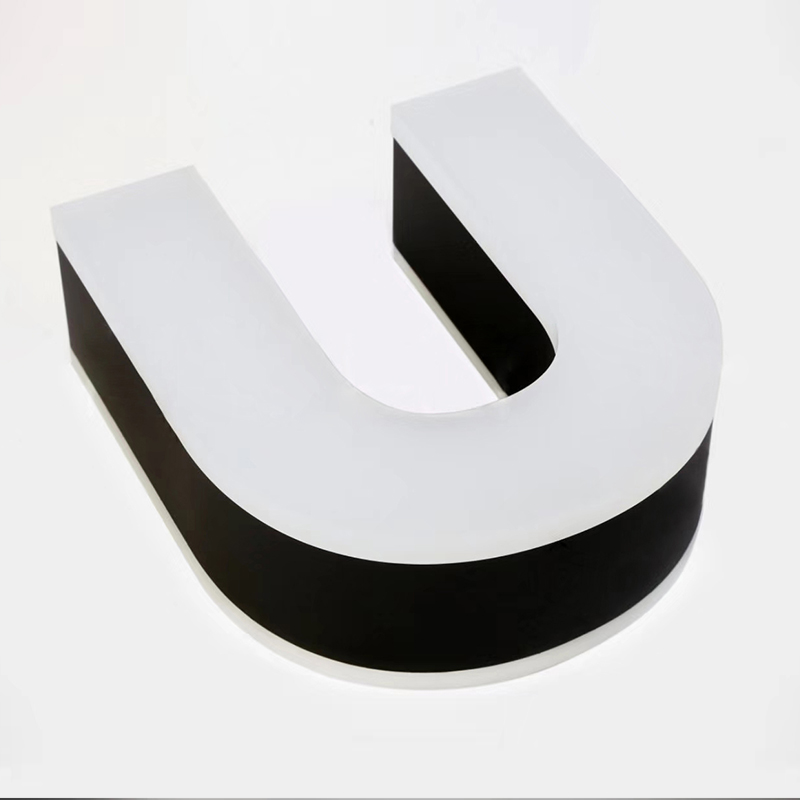
3D acrylic letters are multi-layer acrylic signs that create depth through stacking, standoffs, or raised mounting. Unlike flat-cut acrylic letters (single layer, flush-mounted), 3D letters use 2-5 layers of acrylic to create shadows, colour contrasts, and dimensional effects.
This guide covers layering techniques, standoff spacing, and pricing strategies for sign shops. For standard flat-cut acrylic letters, see our acrylic letters guide.
3D vs Flat Acrylic: The Key Difference
| Feature | Flat-Cut Acrylic | 3D Acrylic |
|---|---|---|
| Layers | 1 layer | 2-5 layers |
| Mounting | Flush to wall | Standoffs (10-50mm) |
| Visual effect | Clean, minimal | Depth, shadows |
| Material cost | £ | ££-£££ |
| Labour time | 30-60 min | 1-3 hours |
| Price point | Budget-mid | Mid-premium |
3D acrylic commands 50-150% higher prices than flat-cut because of the additional cutting, alignment, and assembly work. The visual impact justifies the premium for corporate lobbies, retail displays, and feature walls.
Layering Techniques
The “3D” in 3D acrylic comes from layering. Here’s how different layer configurations create different effects:
| Technique | Layers | Effect | Best For | Difficulty |
|---|---|---|---|---|
| Simple stack | 2 | Basic depth, shadow behind | Budget 3D signs | Easy |
| Multi-colour | 2-3 | Colour contrast, outline effect | Logos, brand colours | Medium |
| Gradient depth | 3-5 | Progressive shadow, premium look | High-end corporate | Hard |
| Floating letters | 2 | Halo/glow effect when backlit | Reception areas | Medium |
Layer spacing matters
The gap between layers determines shadow depth:
- 5mm spacing: Subtle shadow, minimal depth perception
- 10-15mm spacing: Standard 3D effect, visible from 2-3 metres
- 20-30mm spacing: Dramatic shadows, visible from across a room
Standoff Spacing Guide
Standoffs mount the front layer away from the back layer (or wall). Spacing affects the visual impact:
| Desired Effect | Standoff Length | Notes |
|---|---|---|
| Subtle shadow | 5-10mm | Close mounting, indoor only |
| Standard 3D | 15-25mm | Most common, works indoor/outdoor |
| Dramatic float | 30-50mm | Maximum depth, needs solid fixing |
| Backlit halo | 20-30mm | Space for LED strip behind |
Pro tip: For outdoor signs, use stainless steel standoffs (not aluminium)—they won’t corrode and weaken over time.
Why Sign Shops Choose 3D Acrylic
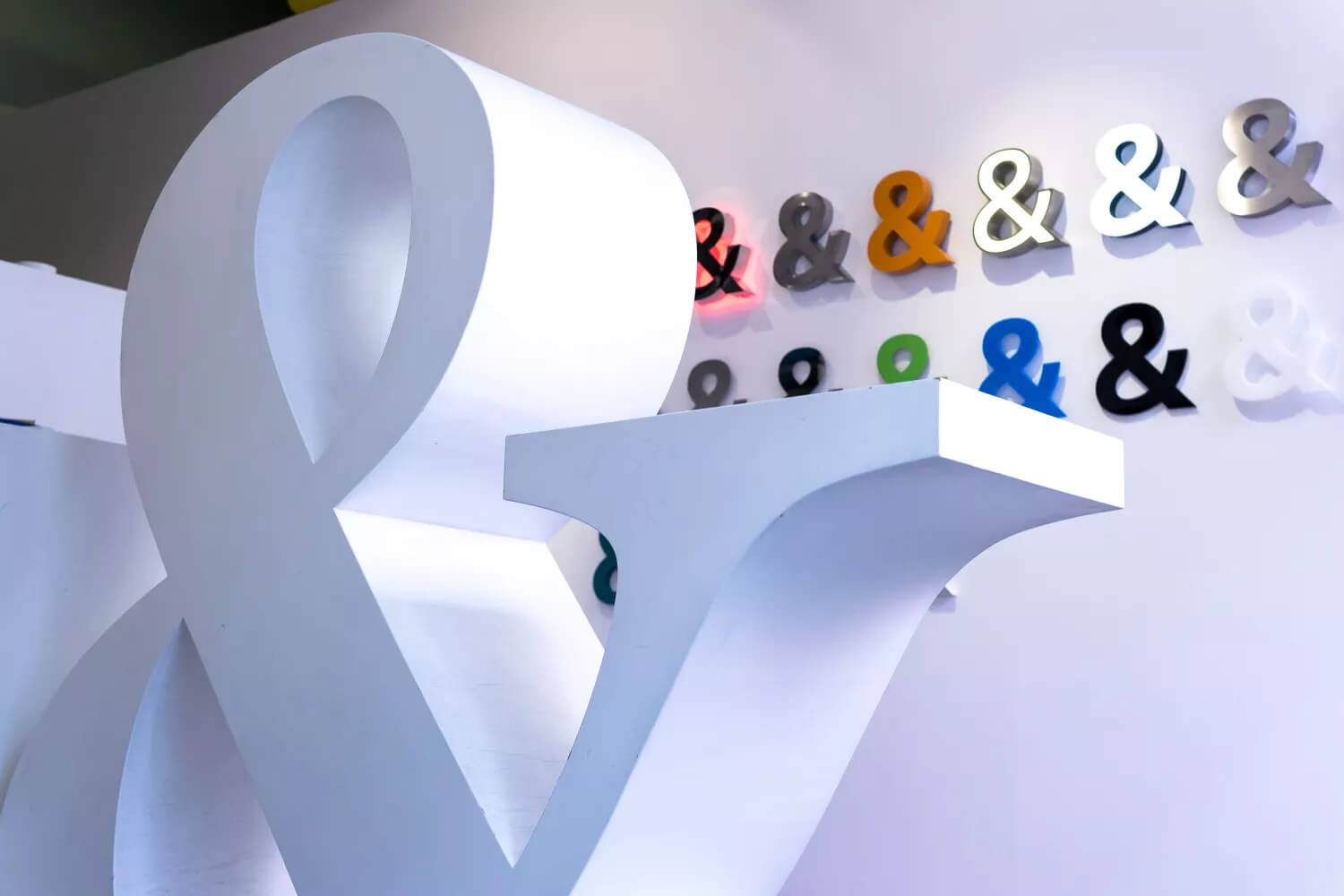
3D acrylic offers higher margins than flat-cut letters:
| Type | Material Cost | Labour | Typical Retail | Margin |
|---|---|---|---|---|
| Flat-cut (per letter) | £2-5 | 5-10 min | £8-20 | 50-70% |
| 2-layer 3D | £4-10 | 15-25 min | £20-50 | 60-75% |
| 3+ layer 3D | £8-20 | 30-45 min | £50-120 | 70-80% |
The labour increase is smaller than the price increase—that’s where the margin comes from. A corporate lobby sign with 15 letters at £80 each is a £1,200 order with 70%+ margin.
Comparisons with other acrylic signage types
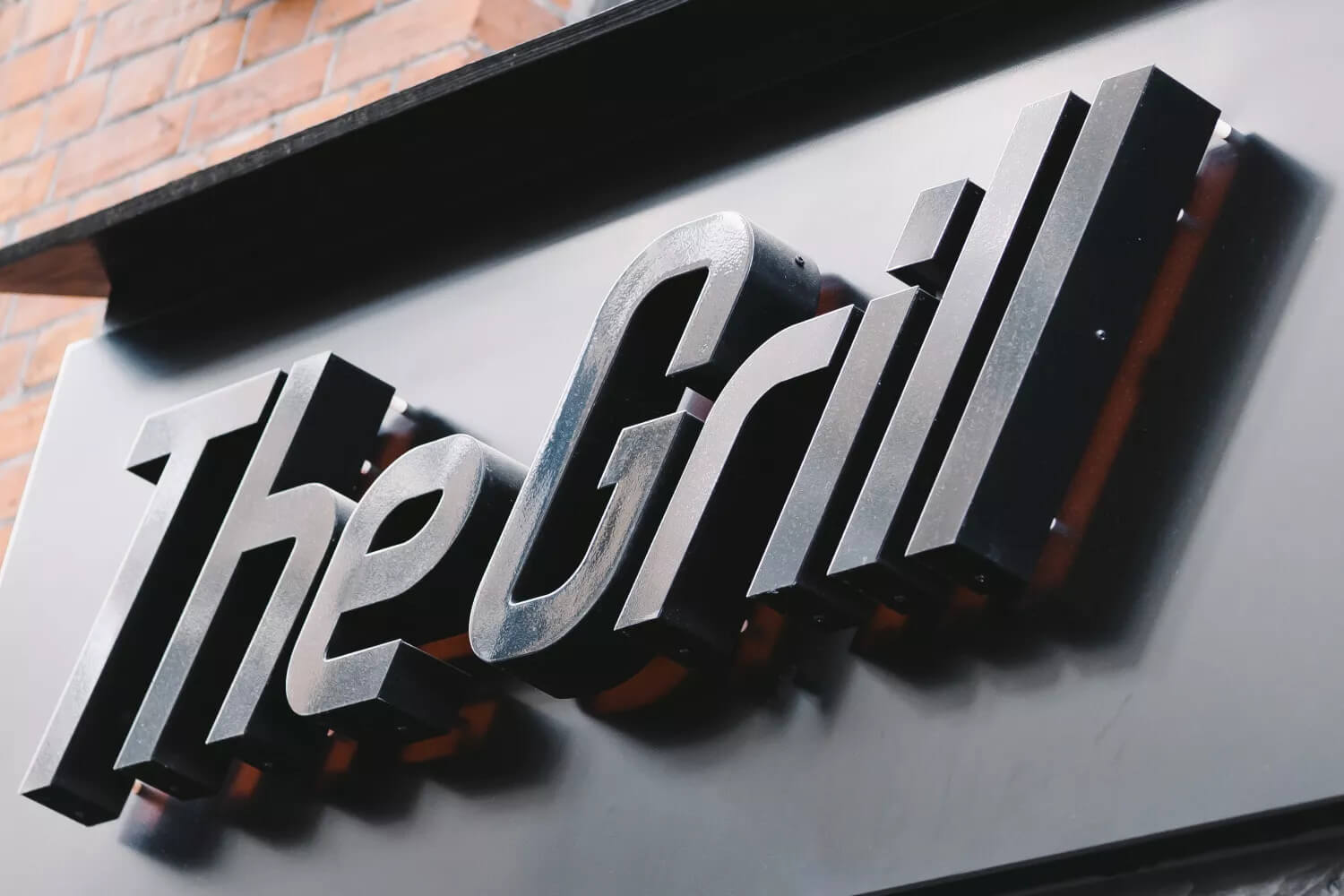
Image source: glyphics.co.uk
As we embark on a journey to understand the distinctive features of 3D acrylic letters, it’s essential to draw comparisons with alternative acrylic signage options. Each type carries its own set of characteristics, catering to diverse preferences and applications.
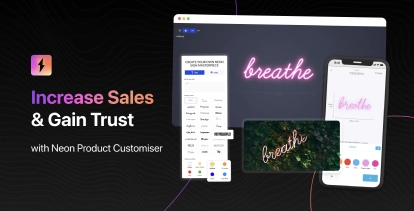
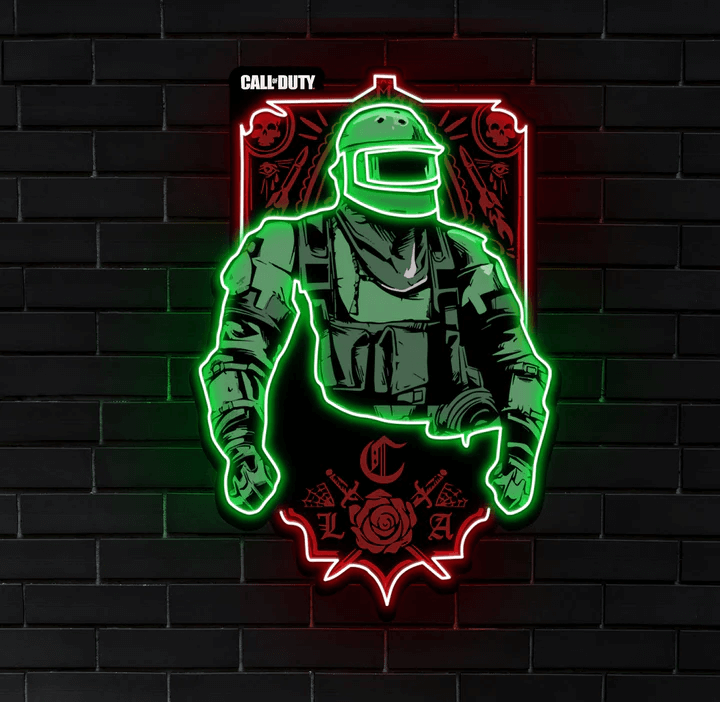
Neon signs
Neon signs, with their retro charm, have long been a staple in the signage landscape. When juxtaposed with 3D acrylic letters, a clear divergence emerges.
While neon signs boast vibrant, luminous tubes, 3D acrylic letters offer a more contemporary and versatile aesthetic.
Neon signs are known for their bold, glowing presence, ideal for creating a nostalgic ambiance. However, they often lack the subtlety and customization options that acrylic letters provide.
Metal signs
Metal signs, characterized by their durability and industrial appeal, present an interesting foil to the sleek nature of 3D acrylic letters. Metal signs are robust and well-suited for outdoor applications, standing strong against the elements.
On the contrary, 3D acrylic letters, though not as physically resilient as metal, bring a dimension of elegance and intricate design possibilities.
The choice between metal and acrylic hinges on the desired aesthetic, with metal conveying a sense of sturdiness and tradition, while acrylic offers modernity and creativity.
Wood signs
Wood signs exude a timeless, rustic charm that contrasts with the contemporary allure of 3D acrylic letters. The natural warmth of wood appeals to those seeking a classic, organic feel in their signage.
Wood may lack the versatility and visual impact of acrylic. It falls short in design flexibility and weather resistance. 3D acrylic letters, on the other hand, offer intricate detailing and a wide range of colors. Businesses aiming to merge modernity with personalized branding prefer them.
3D acrylic letters: applications in various industries
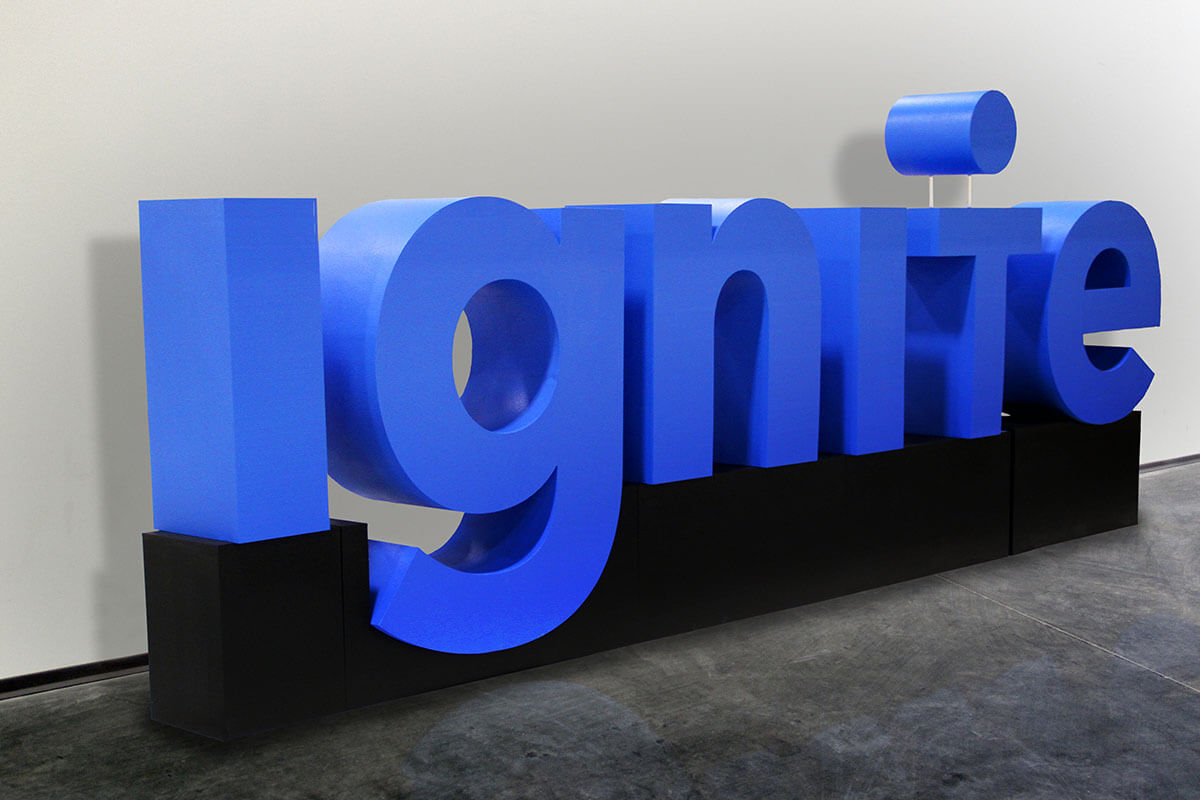
Image source: whiteclouds.com
The adaptability of 3D acrylic letters makes them a valuable asset across diverse industries, leaving a lasting impression in retail, interior design, corporate branding, and event marketing scenarios.
Retail signage
In the realm of retail, 3D acrylic letters are a game-changer for signage.
They serve as attention-grabbing focal points, enhancing the overall visibility of storefronts. Retailers leverage the visual appeal of these letters to draw customers in, conveying a sense of professionalism and uniqueness.
Whether used for brand names, product displays, or promotional messages, 3D acrylic letters elevate the aesthetics of retail spaces, contributing to a positive and memorable shopping experience.
Interior design
The influence of 3D acrylic letters extends beyond external signage; they seamlessly integrate into interior design schemes.
These letters become distinctive elements in enhancing the ambiance of spaces. From adorning the walls of cafes, restaurants, and boutiques to being featured in office interiors, their adaptability knows no bounds.
Interior designers appreciate the ability of 3D acrylic letters to transform ordinary spaces into visually striking environments, providing a contemporary and sophisticated touch to interiors.
Corporate branding
For corporate entities, maintaining a strong and recognizable brand presence is paramount. 3D acrylic letters prove to be an invaluable asset in corporate branding.
Whether displayed on the exterior of office buildings or as part of lobby signage, these letters effectively communicate brand names and logos.
The polished and professional appearance of 3D acrylic letters aligns with corporate aesthetics, contributing to a cohesive and impactful brand image.
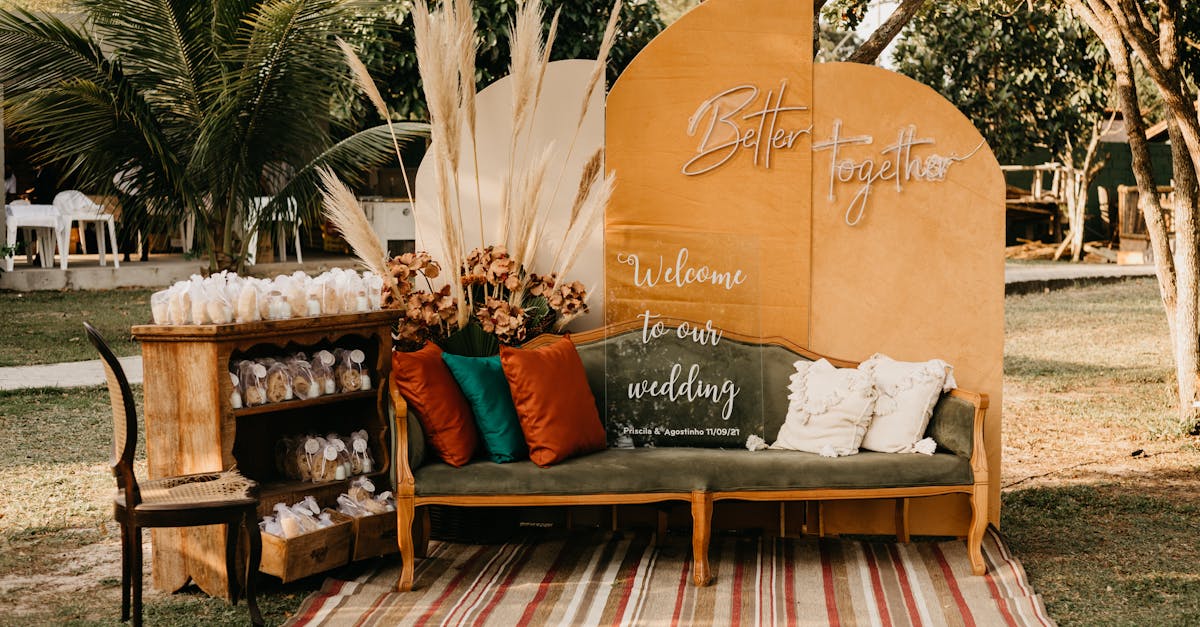
Event marketing
Events demand attention, and 3D acrylic letters rise to the occasion in event marketing.
From trade shows to conferences, these letters serve as dynamic focal points, ensuring that event signage stands out amidst the crowd.
Their visual appeal, combined with customizable design options, allows event organizers to create signage that aligns with the theme and tone of the occasion.
Whether guiding attendees or showcasing sponsors, 3D acrylic letters contribute to the overall success and memorability of events.
Popular styles and fonts for 3D acrylic letters
In the dynamic realm of signage design, the selection of styles and fonts plays a pivotal role in conveying the essence of a brand or message through 3D acrylic letters. The versatility inherent in acrylic material allows for a broad spectrum of stylistic choices, catering to diverse preferences and brand identities.
Serif vs. Sans-serif
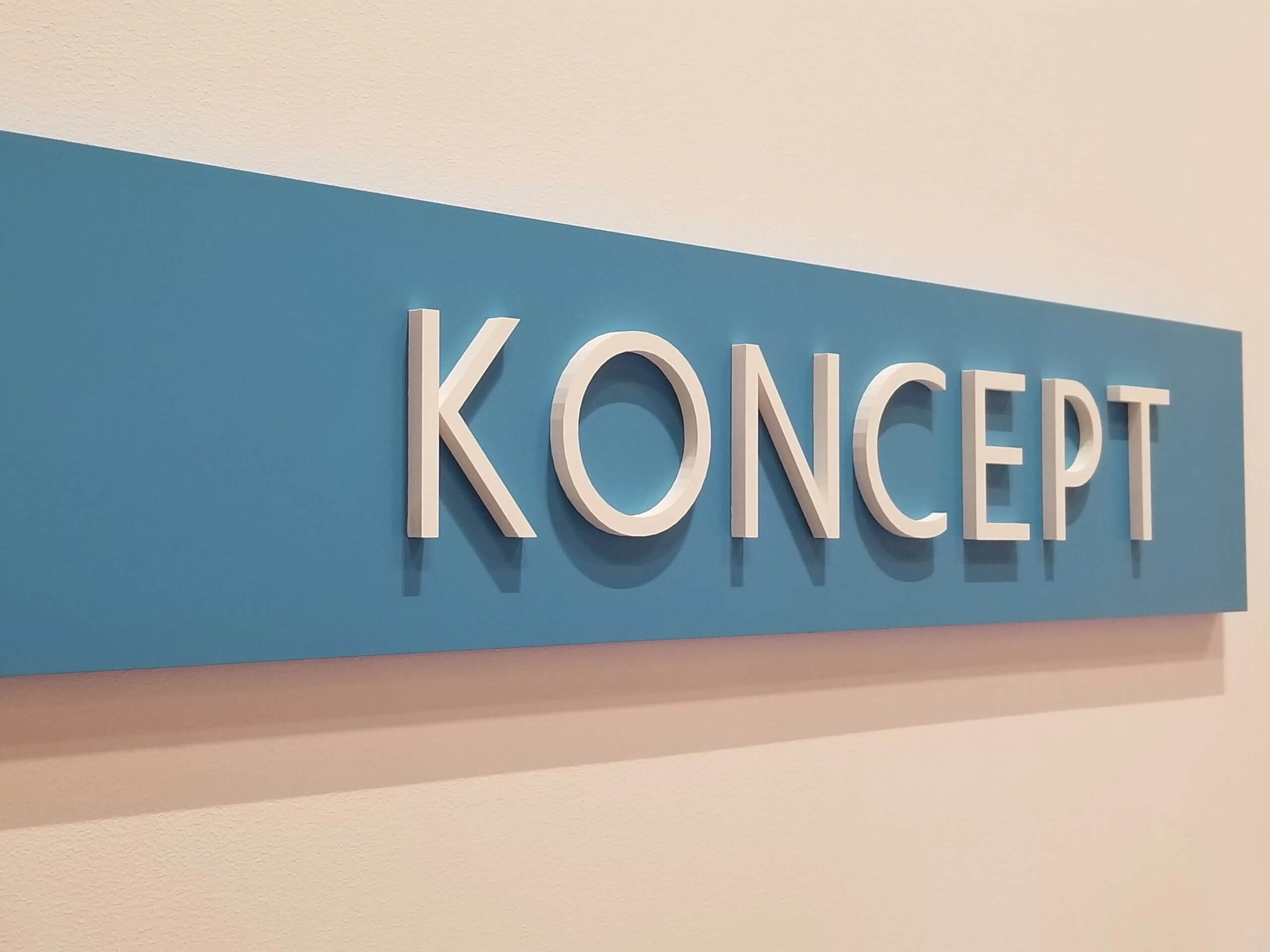
Image source: signsny.com
The choice between serif and sans-serif fonts for 3D acrylic letters involves a delicate dance between tradition and modernity.
Serif fonts, with their classic and ornate details, convey a sense of timelessness and sophistication. On the other hand, sans-serif fonts exude a more contemporary, clean-cut aesthetic.
The decision hinges on the brand’s personality – whether it seeks to evoke a sense of heritage or project a sleek and modern image. 3D acrylic letters, with their dimensional quality, amplify the impact of either font style, adding depth and visual interest.
Script fonts
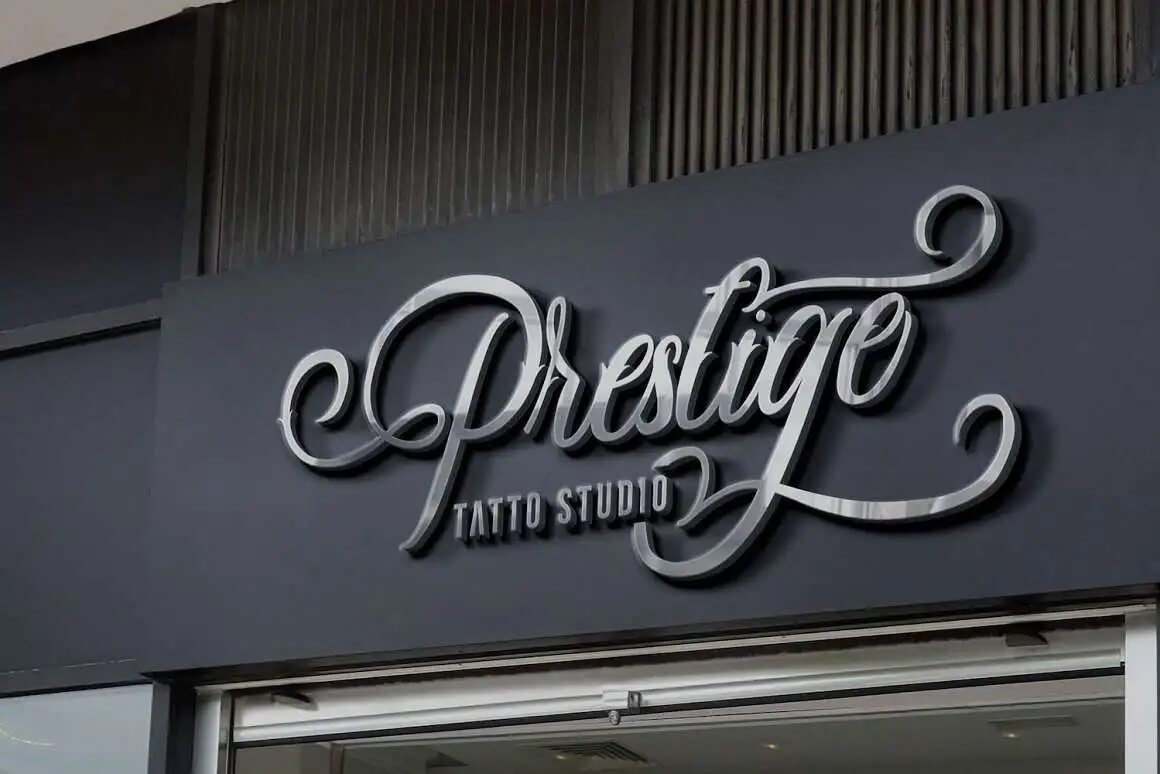
Image source: dafontfree.co
Script fonts bring an element of fluidity and elegance to 3D acrylic letters, infusing a sense of personality and uniqueness.
The cursive strokes and graceful curves of script fonts allow for a more artistic and customized expression. Businesses aiming to convey a sense of creativity, personalization, or a touch of whimsy often gravitate toward script fonts for their acrylic signage.
The three-dimensional aspect of acrylic letters elevates the script, creating a captivating interplay of light and shadow that enhances the overall visual appeal.
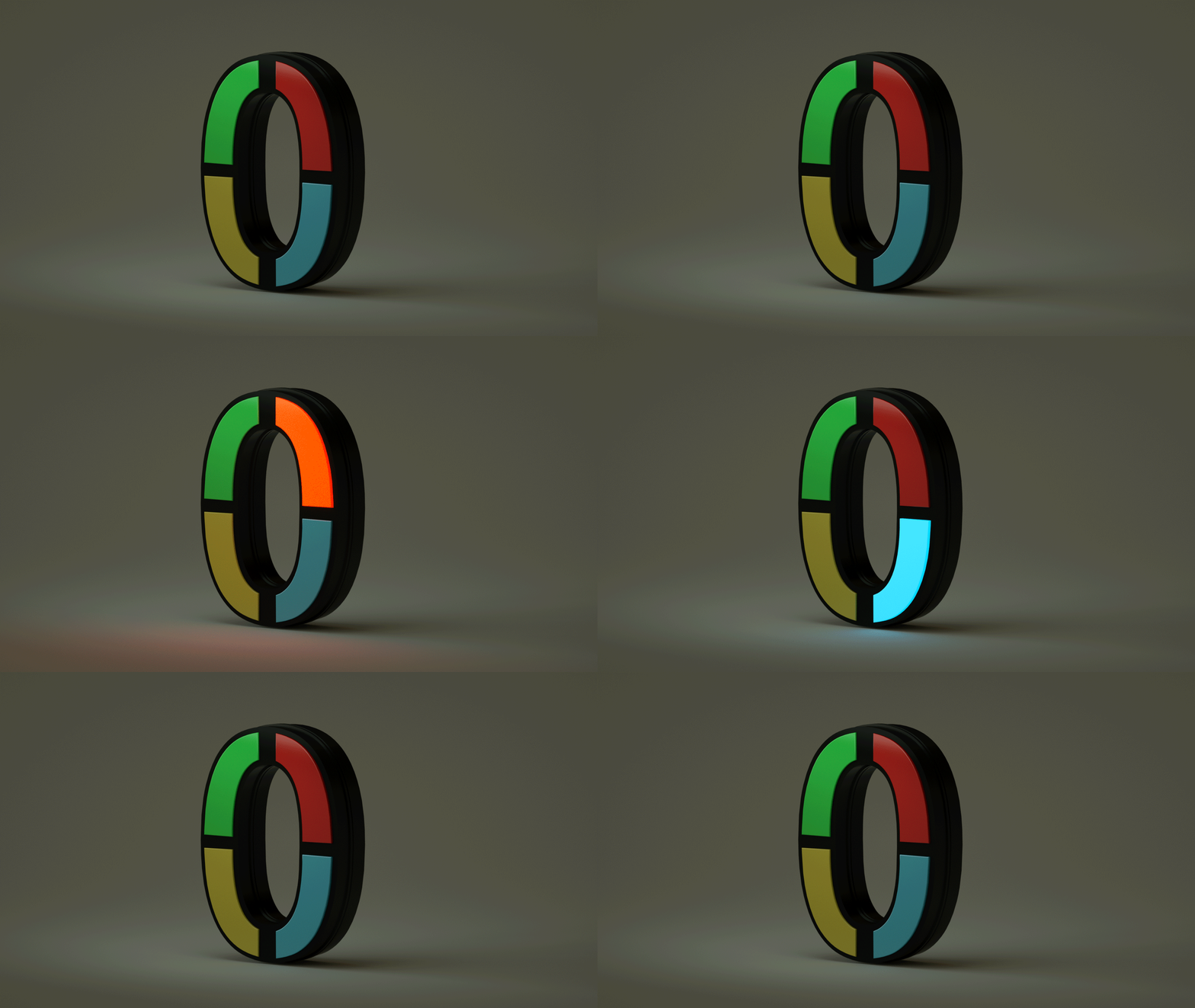
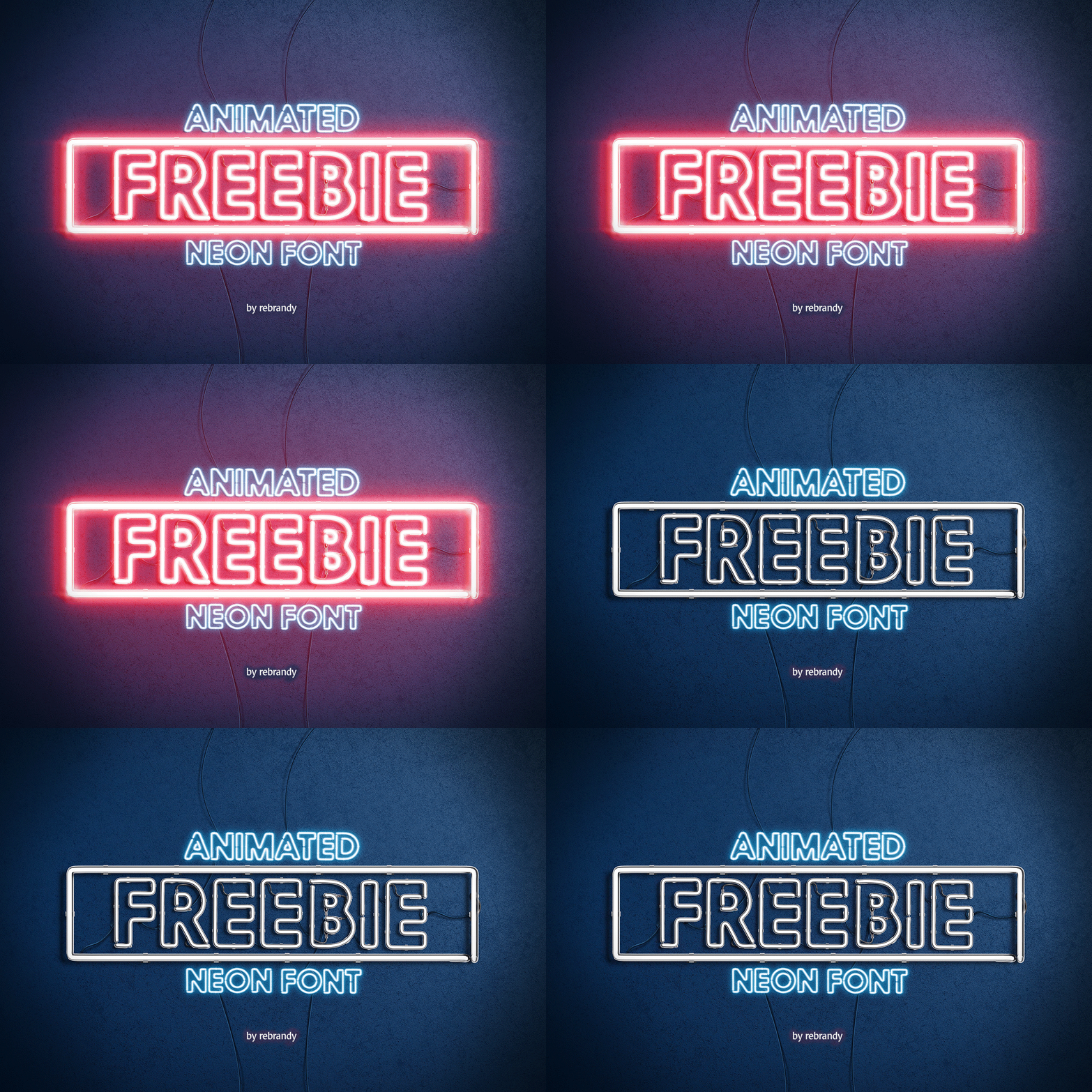
Modern styles
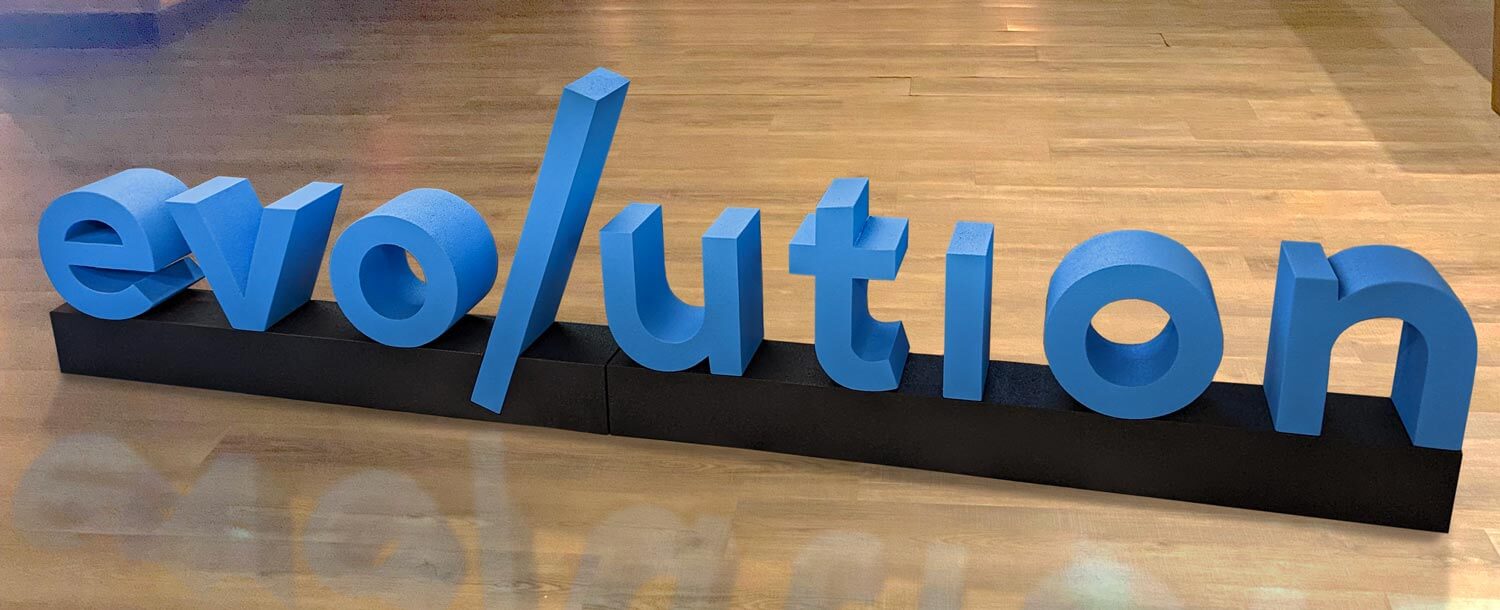
Image source: whiteclouds.com
The category of modern styles encompasses a wide array of options, from bold geometric shapes to minimalist designs.
3D acrylic letters provide the perfect canvas for bringing modern typographic trends to life. Clean lines, innovative shapes, and a focus on simplicity characterize modern styles in signage.
This flexibility allows businesses to align their signage with contemporary design trends, projecting a forward-thinking and cutting-edge image.
Lighting techniques for enhanced effects
When it comes to 3D acrylic letters, the impact can be further heightened through strategic lighting techniques, creating a captivating visual experience.
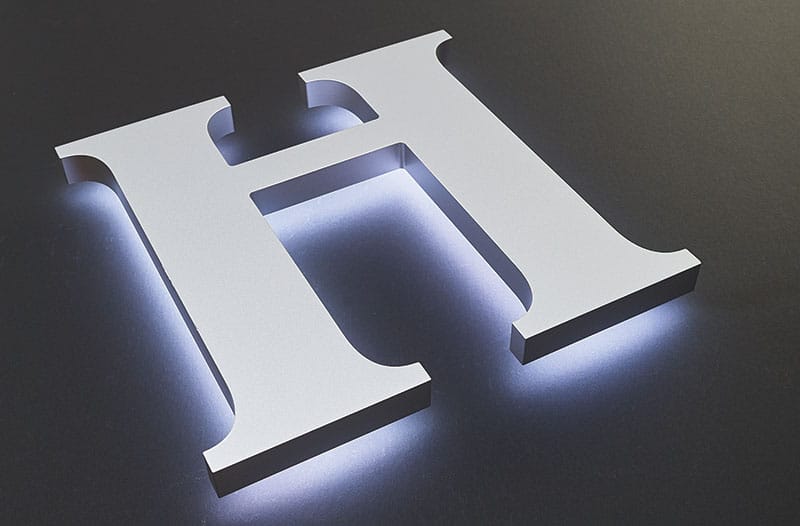
Backlit options
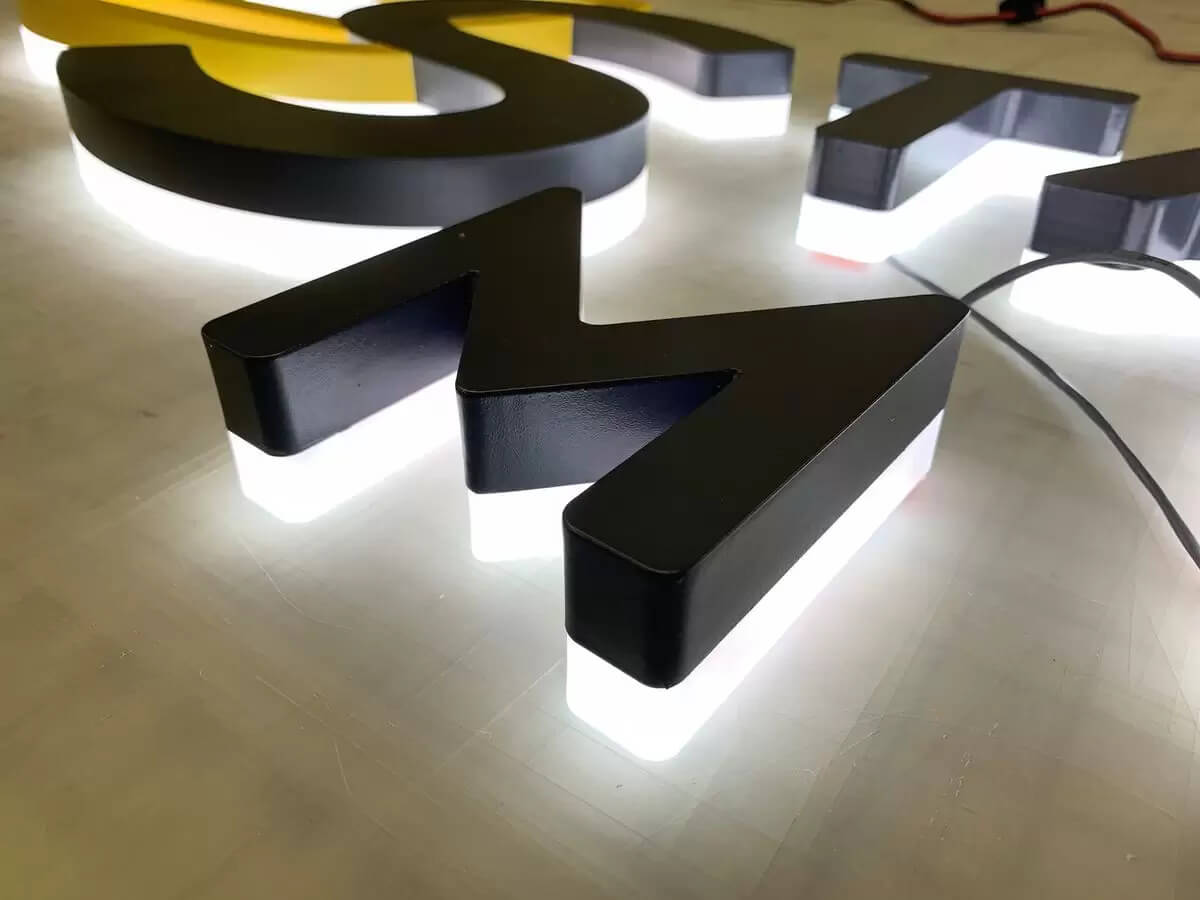
Image source: frontsigns.com
One of the most enchanting ways to accentuate 3D acrylic letters is through backlit options.
The play of light from behind the letters creates a mesmerizing glow, outlining each letter’s contours and adding a touch of sophistication to the signage.
This technique is particularly effective in low-light environments, ensuring that your message remains vivid and engaging even during the evening hours.
Backlit 3D acrylic letters not only enhance visibility but also contribute to a sense of ambiance, making them a popular choice for businesses aiming to make a statement both day and night.
LED integration
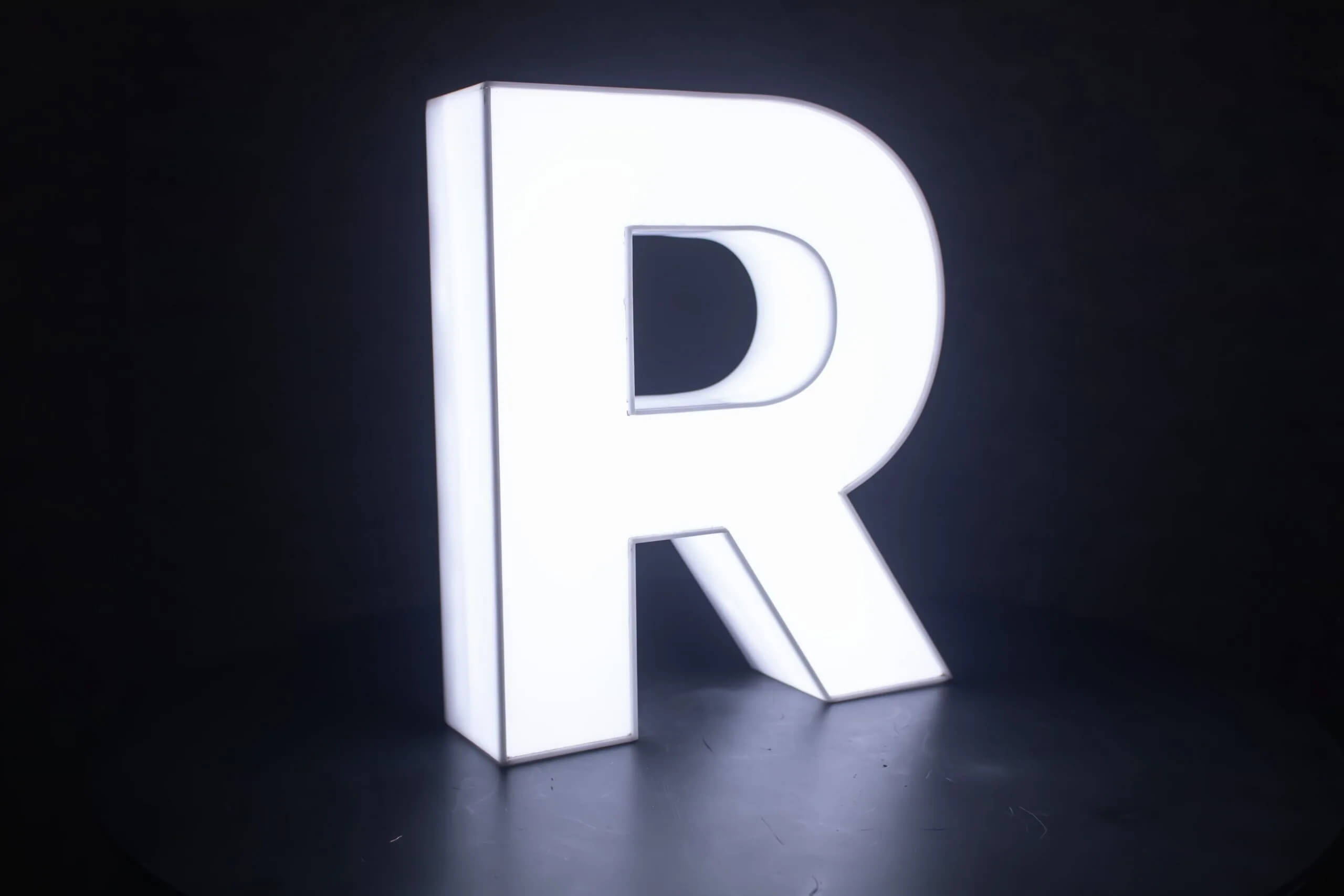
Image source: signagemumbai.in
In the realm of modern signage, LED integration stands out as a revolutionary lighting technique for 3D acrylic letters. LED lights seamlessly embedded within the letters offer a myriad of possibilities for dynamic illumination.
Whether it’s a subtle, uniform glow or vibrant, color-changing effects, LED integration provides versatility in adjusting the lighting to suit different moods and occasions.
Beyond its aesthetic appeal, LED lighting is energy-efficient, making it an environmentally conscious choice for businesses looking to merge visual impact with sustainability.
Ambient lighting
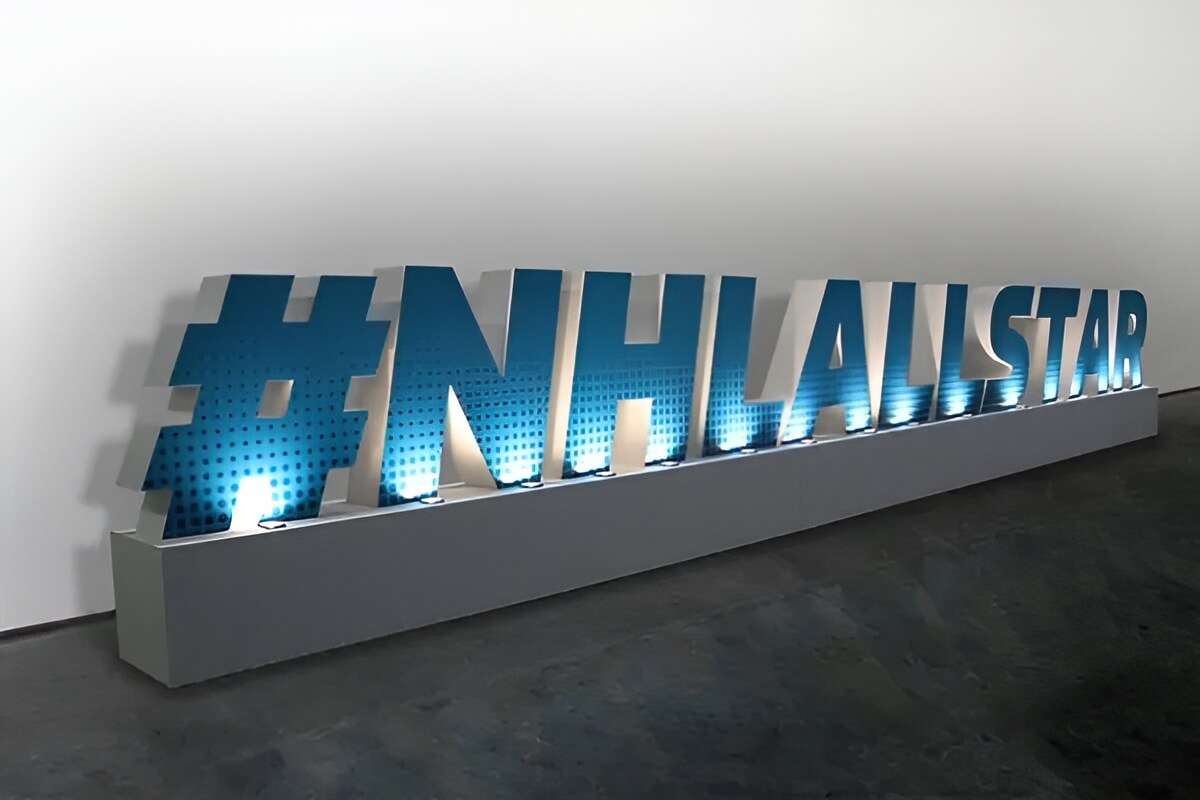
Image source: whiteclouds.com
For a more ambient and nuanced effect, consider incorporating ambient lighting into your 3D acrylic letters. This technique involves the use of surrounding light sources to subtly illuminate the letters, creating a soft and inviting glow.
Ambient lighting is ideal for spaces where a gentle and sophisticated atmosphere is desired. It complements the overall design aesthetic without overpowering the surroundings, making it a versatile choice for applications ranging from storefronts to interior decor.
How to make 3D acrylic letter signs?
1. Design conceptualization:
- Determine the desired font style, size, and overall design for the 3D acrylic letters.
- Consider any additional elements or embellishments that will enhance the visual appeal.
2. Material selection:
- Choose high-quality acrylic sheets for their versatility, clarity, and durability.
- Select the appropriate thickness based on the size and application of the letters.
3. Cutting and shaping:
- Use precision tools, such as laser cutters or CNC routers, to cut the acrylic sheets into the desired letter shapes.
- Pay careful attention to maintaining precision, especially in creating the three-dimensional aspects of the letters.
4. Color application and finishing:
- Apply the chosen colors to the acrylic letters, ensuring they align with the brand’s color scheme or design preferences.
- Consider different finishes, such as glossy or matte, to achieve the desired aesthetic.
5. Lighting integration:
- Decide on the lighting technique to enhance the visual impact of the 3D acrylic letters.
- Options include backlit features, LED integration, or ambient lighting, depending on the desired effect.
6. Assembly:
- Piece together the various components, ensuring a seamless fit and maintaining the integrity of the design.
- Secure any additional elements, such as lighting fixtures, during the assembly process.
7. Quality check:
- Conduct a thorough quality check to ensure that each acrylic letter meets the design specifications and quality standards.
- Address any imperfections or inconsistencies in the fabrication process.
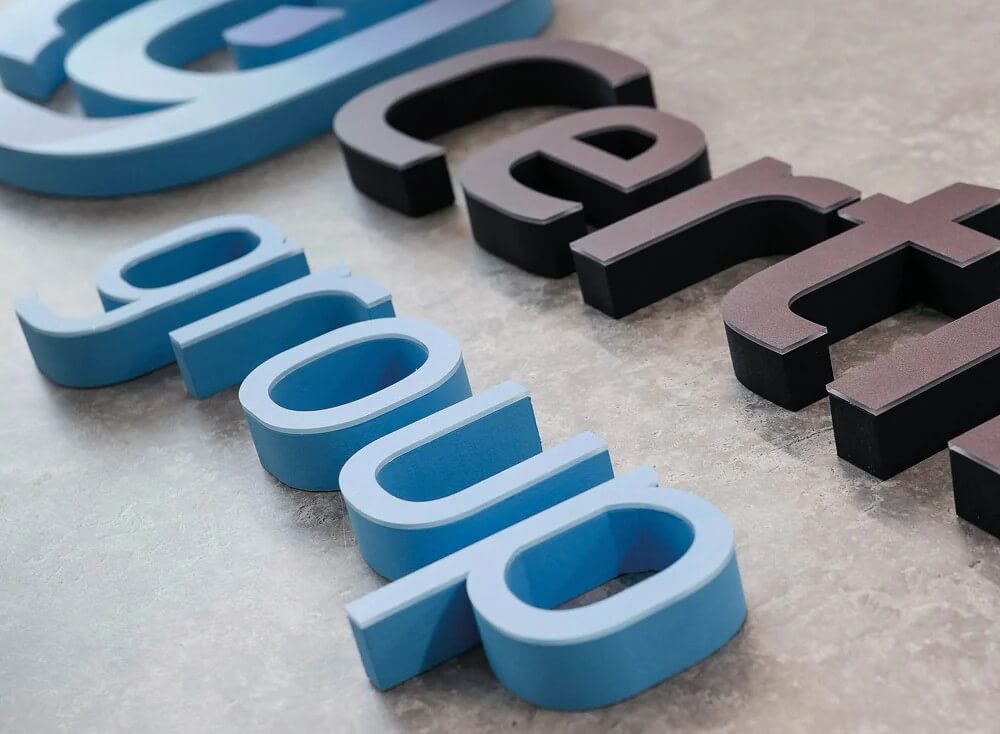
How to install 3D acrylic letters?
1. Site assessment
Before initiating the installation, conduct a thorough site assessment. Ensure that the chosen location is suitable for displaying 3D acrylic letters, considering factors such as visibility, lighting conditions, and aesthetic harmony with the surroundings.
2. Preparing the surface
Prepare the installation surface by cleaning it thoroughly. Remove any dirt, dust, or debris that might hinder the adherence of the letters. For optimal results, ensure that the surface is smooth and free of imperfections.
3. Positioning and alignment
Carefully plan the positioning and alignment of the 3D acrylic letters. This step is crucial in achieving a visually appealing and balanced display. You can use measuring tools, such as a level, to ensure accurate alignment. Additionally, mark the positions lightly with a pencil for reference.
4. Adhesive application
Apply a high-quality adhesive suitable for acrylic surfaces. Ensure even coverage on both the back of the letters and the installation surface. Take caution to avoid excess adhesive that might seep out from the edges.
5. Affixing the letters
Gently press the 3D acrylic letters onto the adhesive-covered surface, aligning them with the marked positions. Apply consistent pressure to ensure a secure bond. If the letters come with built-in mounting hardware, follow the manufacturer’s guidelines for proper installation.
6. Securing the letters
Allow sufficient time for the adhesive to cure and bond effectively. This duration may vary based on the adhesive type and environmental conditions. Avoid subjecting the letters to stress or external forces during this curing period.
7. Final inspection
Once the adhesive has cured, perform a final inspection of the installed 3D acrylic letters. Check for alignment, stability, and overall visual appeal. Make any necessary adjustments to ensure a polished and professional presentation.
8. Additional considerations
In some cases, professional installation services may be advisable, especially for larger or more intricate displays. Consult with experts if you have concerns about the installation process or if you’re working with specialized lettering configurations.
Maintenance tips for 3D acrylic letters
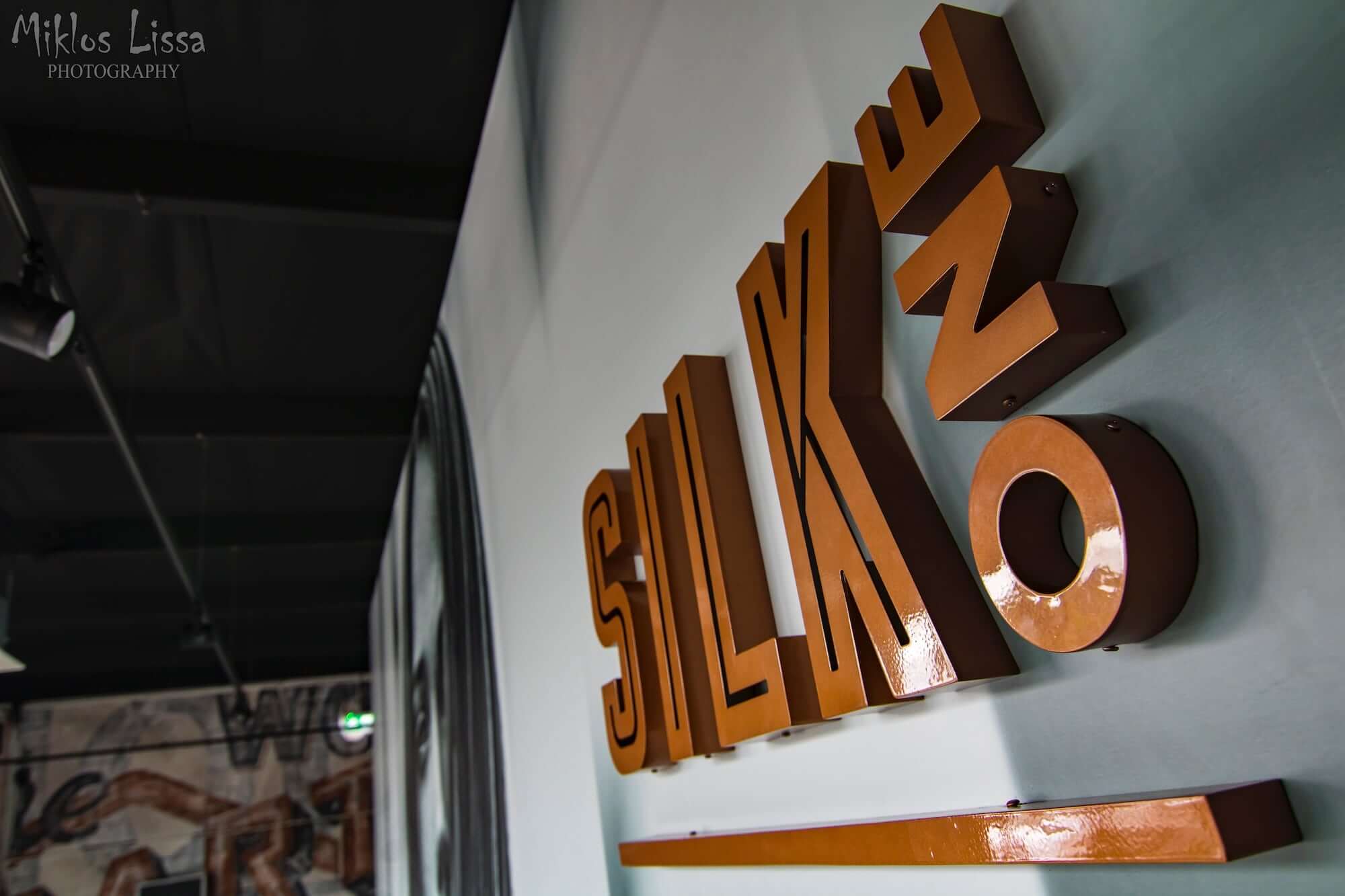
Image source: showcaseplastics.com.au
1. Regular cleaning:
- Clean the 3D acrylic letters regularly using a mild soap or acrylic cleaner and a soft, non-abrasive cloth.
- Gently wipe away dust, dirt, or any grime that may accumulate on the surface.
2. Avoid harsh chemicals:
- Refrain from using abrasive cleaners, harsh chemicals, or solvents, as they can damage the acrylic surface and compromise its clarity.
- Stick to cleaners specifically designed for acrylic materials.
3. Prevent scratches:
- Handle acrylic letters with care to avoid scratches. Use a soft cloth or sponge during cleaning to minimize the risk of surface damage.
- Regularly inspect for any scratches and address them promptly to prevent further deterioration.
4. Protection from UV exposure:
- Position the 3D acrylic letters in areas where they are not constantly exposed to direct sunlight, as prolonged UV exposure can cause fading.
- Consider applying UV-resistant coatings to mitigate the impact of sunlight on the acrylic surface.
5. Secure mounting:
- Ensure that the letters are securely mounted to prevent movement or vibration, which can lead to damage over time.
- Regularly check the mounting hardware for stability and make adjustments if necessary.
6. Inspect lighting components:
- If the acrylic letters incorporate lighting features, regularly inspect the lighting components for functionality.
- Replace any malfunctioning bulbs or LED modules promptly to maintain consistent illumination.
7. Weatherproofing for outdoor signs:
- Apply weather-resistant coatings or sealants to 3D acrylic letters installed outdoors to protect them from the elements.
- Check for any signs of water infiltration or damage, particularly around seams and joints.
8. Avoid impact and physical damage:
- Prevent physical damage by avoiding impact, especially in high-traffic areas or locations where objects may come into contact with the signage.
- Educate staff or individuals responsible for maintenance on the importance of handling the letters with care.
9. Document maintenance procedures:
- Maintain documentation outlining recommended cleaning and maintenance procedures for future reference.
- Provide training to relevant personnel on proper cleaning and care practices.
10. Professional inspections:
- Periodically schedule professional inspections to assess the overall condition of the 3D acrylic letters.
- Address any issues identified during inspections promptly to prevent more extensive damage.
2026 Design Trends for 3D Acrylic
Layered typography with colour contrast
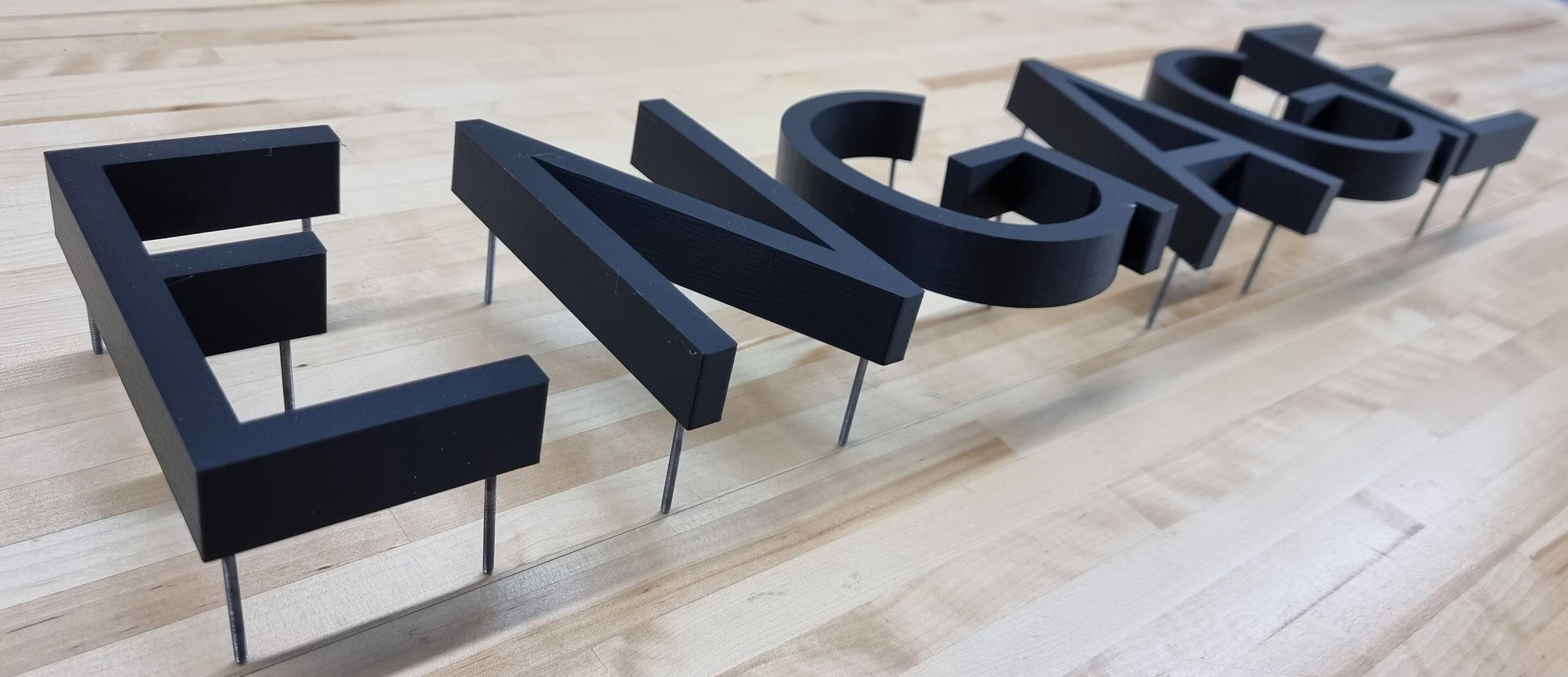
Multi-layer signs with contrasting colours (black back layer, coloured front) dominate corporate installations. The shadow effect creates depth without backlighting.
Mixed materials: acrylic + metal
Combining brushed aluminium backing with coloured acrylic fronts appeals to premium clients. The metal adds industrial credibility; the acrylic adds colour and brand personality.
Floating letters with hidden standoffs
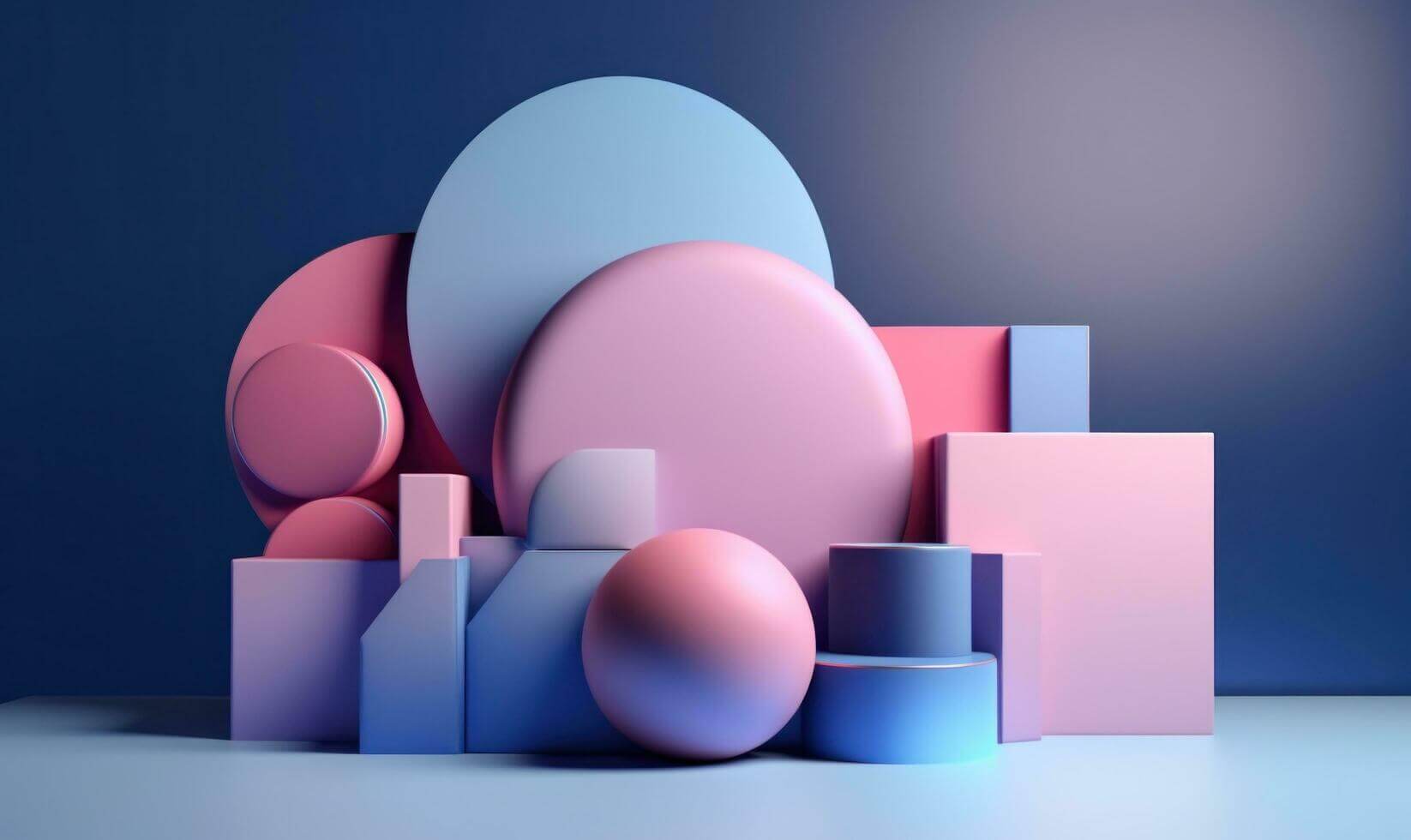
Hidden standoffs (mounted behind the letter, invisible from the front) create a clean “floating” effect. More work to install, but commands higher prices.
LED integration: edge-lit and backlit
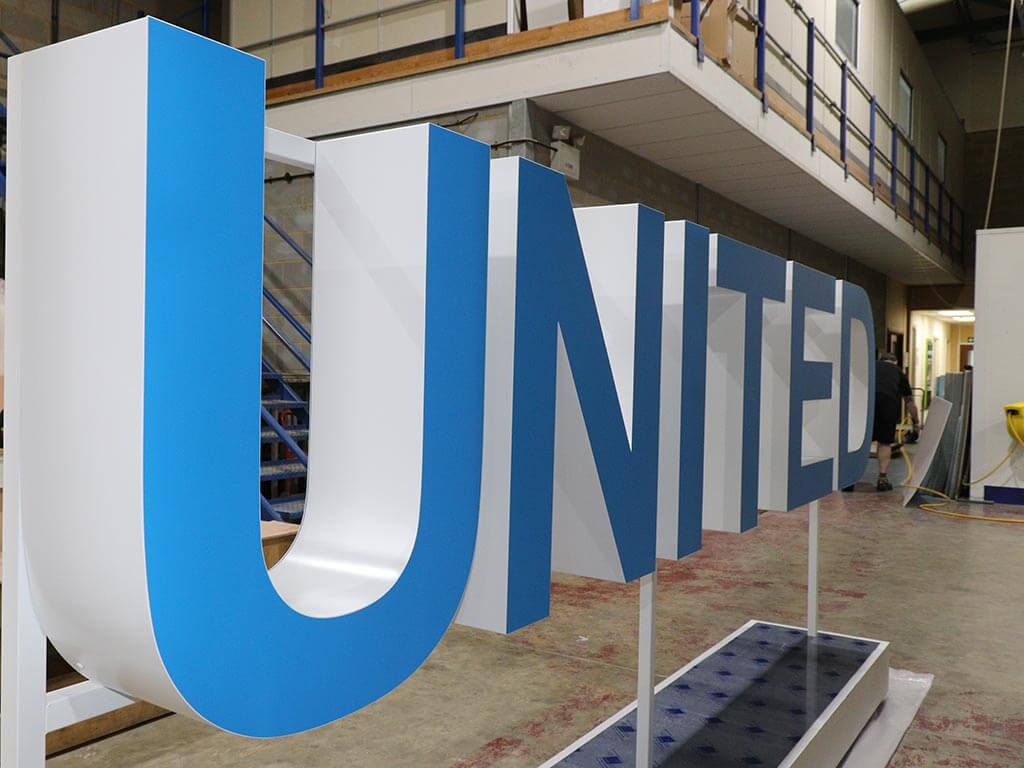
LED strips behind 3D letters create halo effects after dark. Edge-lit acrylic (LEDs in the side, light travels through) works for simpler designs.
Gradient and ombré finishes
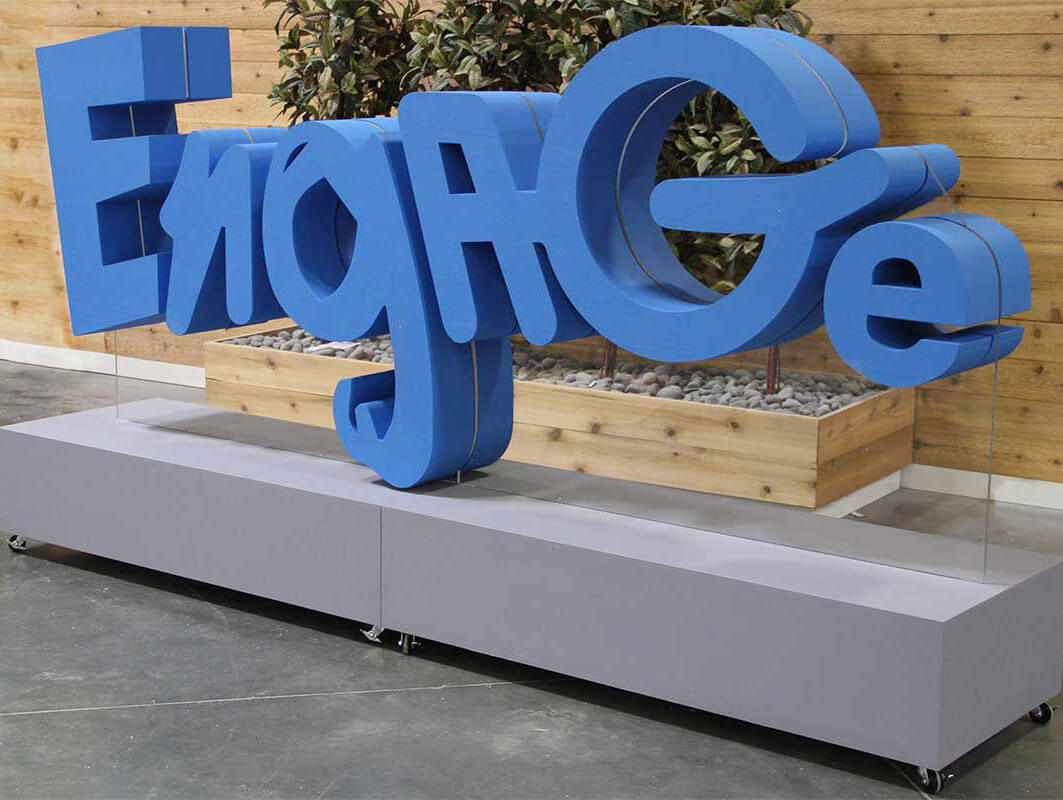
UV-printed gradients on acrylic layers create colour transitions. Popular for beauty, wellness, and creative industry clients.
Selling 3D Acrylic with Sign Customiser
Sign Customiser supports 3D acrylic letter configurations:
- Layer options: Let customers choose 2-layer vs 3-layer pricing
- Standoff selection: Offer different standoff lengths with price adjustments
- Colour combinations: Configure front/back layer colour pairings
- Size-based pricing: Price by letter height, adjusting for 3D complexity
For 3D acrylic, consider using the Fixed Width pricing model—it handles the complexity better than per-character pricing when layer counts vary.
Related: 3D acrylic logo signs for corporate branding applications
FAQs
How much do 3D acrylic letters cost?
Retail prices range from £20-50 for 2-layer letters to £50-120 for 3+ layer letters (per letter, 10-15cm height). Full signs typically run £200-1,500 depending on word length and complexity.
What acrylic thickness works best for 3D letters?
- Front layer: 3-5mm (lighter, easier to mount)
- Back layer: 5-10mm (provides depth, structural support)
- Outdoor signs: 8-10mm minimum for both layers
How do you mount 3D acrylic letters?
Use standoffs (metal spacers) between layers and between the sign and wall. Pre-drill holes in each layer, thread the standoff through, and secure with screws into wall plugs. Templates help align multi-letter signs.
Can 3D acrylic letters be backlit?
Yes—leave 20-30mm standoff space behind the letters and install LED strips on the wall. The letters cast shadows while the LEDs create a halo effect around each letter.
What’s the difference between 3D acrylic and channel letters?
Channel letters are hollow metal boxes with acrylic faces. 3D acrylic letters are solid acrylic layers. Channel letters are larger (usually 30cm+) and more expensive; 3D acrylic works better for smaller indoor applications.
Sell Custom Acrylic Signs on Your Website
Want to let your customers design and order custom acrylic channel letter signs online? Sign Customiser adds an acrylic sign designer to your Shopify or WooCommerce store with real-time pricing and instant quotes.