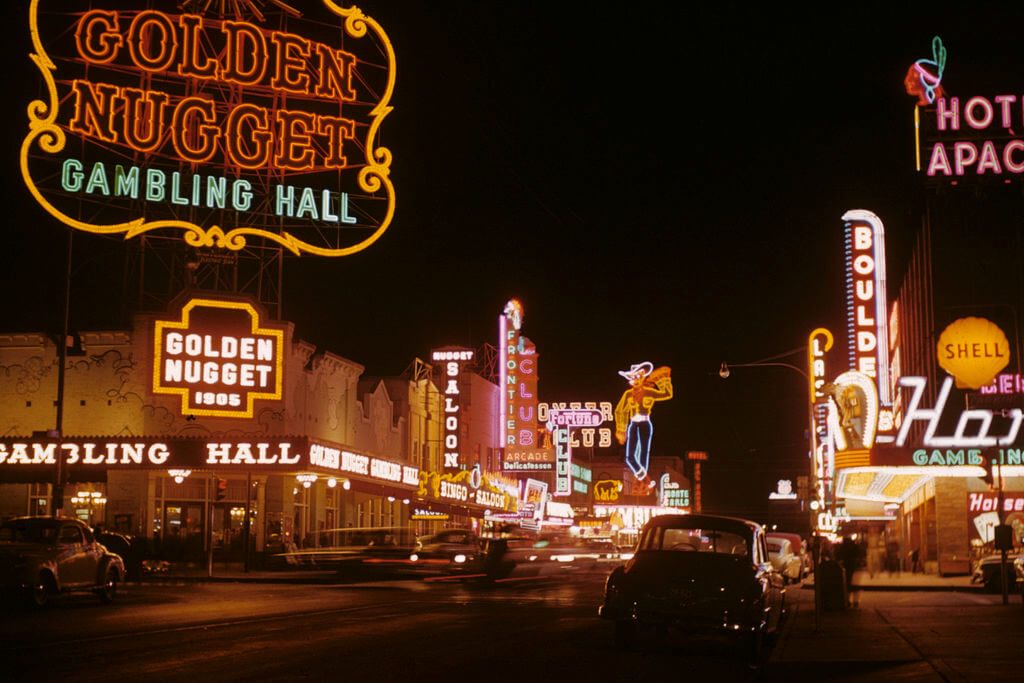
Why neon signs cost what they do—and how to improve your margins
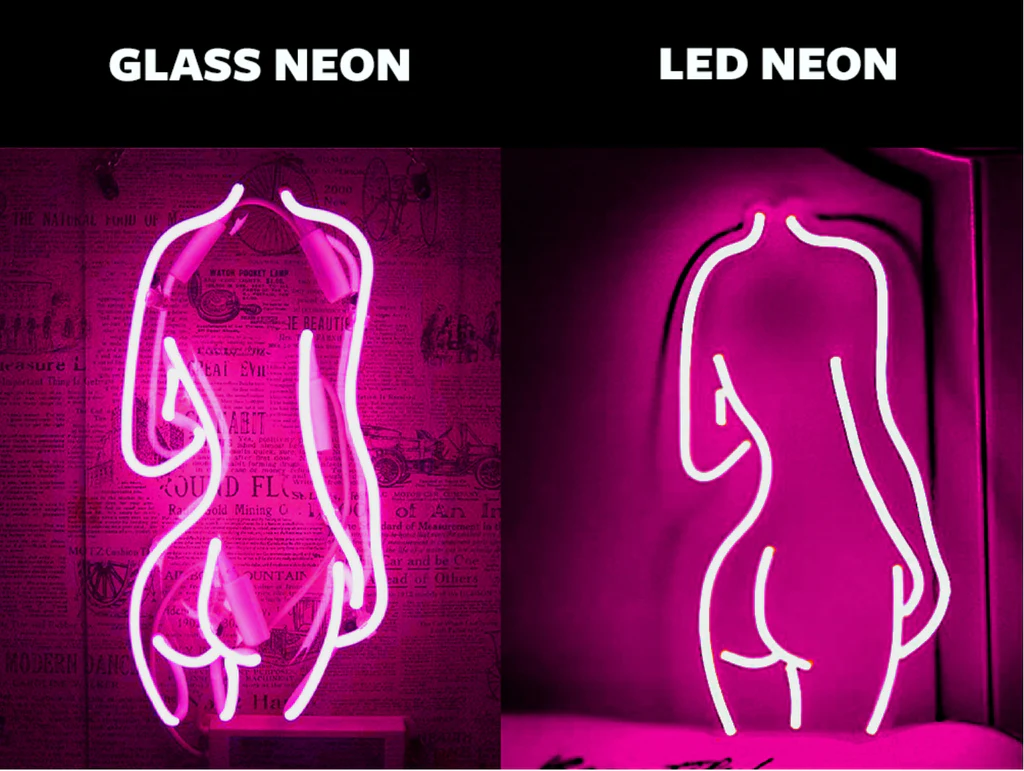
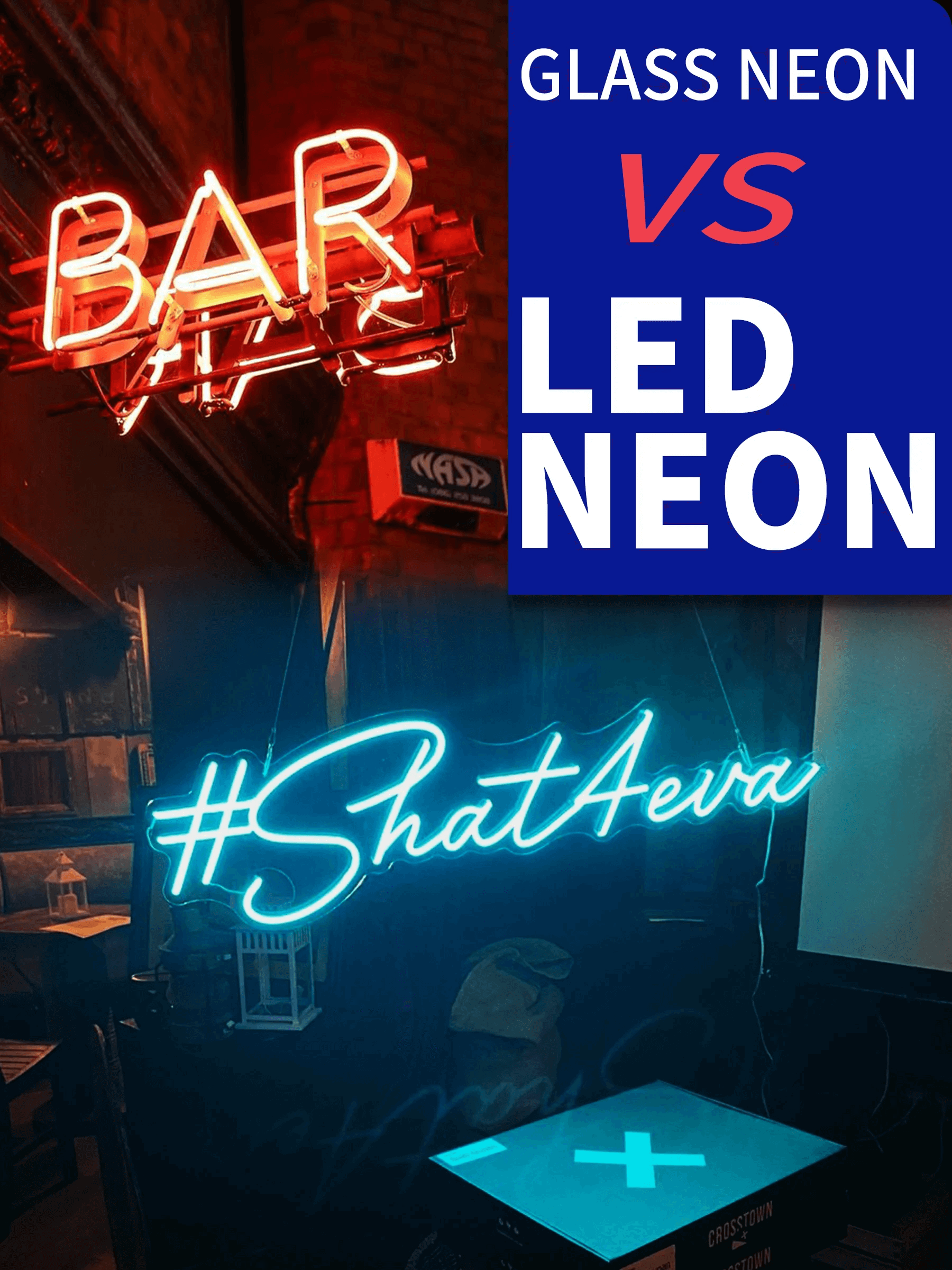
Traditional glass neon signs cost £200-800+ for a simple design. LED neon alternatives run £80-300 for the same look. That’s a 60-70% price difference—and an even bigger margin difference for sign shops.
This guide breaks down the actual costs behind neon signage (materials, labour, overhead) and shows how sign store owners can price competitively while maintaining healthy margins. We’ll also cover when to recommend glass versus LED neon to customers.
This is chapter 12 in the neon sign library
2026 Neon Sign Pricing: Glass vs LED
Before diving into cost breakdowns, here’s what the market looks like right now:
| Sign Type | Size | Retail Price | Your Material Cost | Typical Margin |
|---|---|---|---|---|
| Glass Neon | Small (30cm) | £300-500 | £80-150 | 40-50% |
| Glass Neon | Medium (60cm) | £600-1,200 | £150-300 | 45-55% |
| Glass Neon | Large (90cm+) | £1,200-2,500+ | £300-600 | 50-60% |
| LED Neon | Small (30cm) | £80-150 | £20-40 | 60-70% |
| LED Neon | Medium (60cm) | £150-300 | £40-80 | 65-75% |
| LED Neon | Large (90cm+) | £300-600 | £80-150 | 70-80% |
The margin difference is why most sign shops now default to LED neon—same visual impact for customers, better profit for you.
Related: Faux neon signs: LED alternatives and profit margins
What Makes Glass Neon Expensive?
Material costs
Traditional neon signs require lead-free glass tubing (£3-8 per metre), electrodes (£5-15 each), and noble gases—neon gas runs £40-60 per sign, argon is slightly cheaper. A medium sign uses 2-4 metres of tubing, multiple electrodes, plus the high-voltage transformer (£30-80).
Total material cost for a medium glass neon sign: £150-300. That’s before labour.
Learn more: How to make custom neon signs
Energy consumption
Glass neon runs on high-voltage transformers (3,000-15,000 volts) that draw 50-100W for a typical sign. LED neon uses 12V DC and draws 5-15W for the same size. Over a year of 8-hour daily operation, that’s roughly £40-80 in electricity for glass neon versus £4-8 for LED.
Most customers don’t factor running costs into their purchase decision—but commercial buyers do. It’s worth mentioning the 90% energy savings when pitching LED neon to businesses.
Maintenance and repairs
Glass neon has a lifespan of 8,000-15,000 hours. Gas leaks over time, electrodes burn out, and transformers fail. A single tube repair runs £50-150. LED neon lasts 30,000-50,000 hours with essentially no maintenance—the silicone tubing protects the LEDs from dust and moisture.
For sign shops, this affects warranty policies. Glass neon typically gets 1-year warranties; LED neon can carry 2-3 year warranties without significant risk.
Neon Sign Repair. How To Check A Neon Sign To Find Out What's Wrong
Related: Neon sign repair guide
2026 Pricing Strategies for Sign Shops
When to recommend glass vs LED neon
| Customer Type | Recommend | Reason |
|---|---|---|
| Home décor buyers | LED | Price-sensitive, indoor use only |
| Restaurant/bar owners | LED | Cost matters, easy maintenance |
| Vintage restoration | Glass | Authenticity required |
| Premium brand experiences | Glass | Budget allows, specific aesthetic needed |
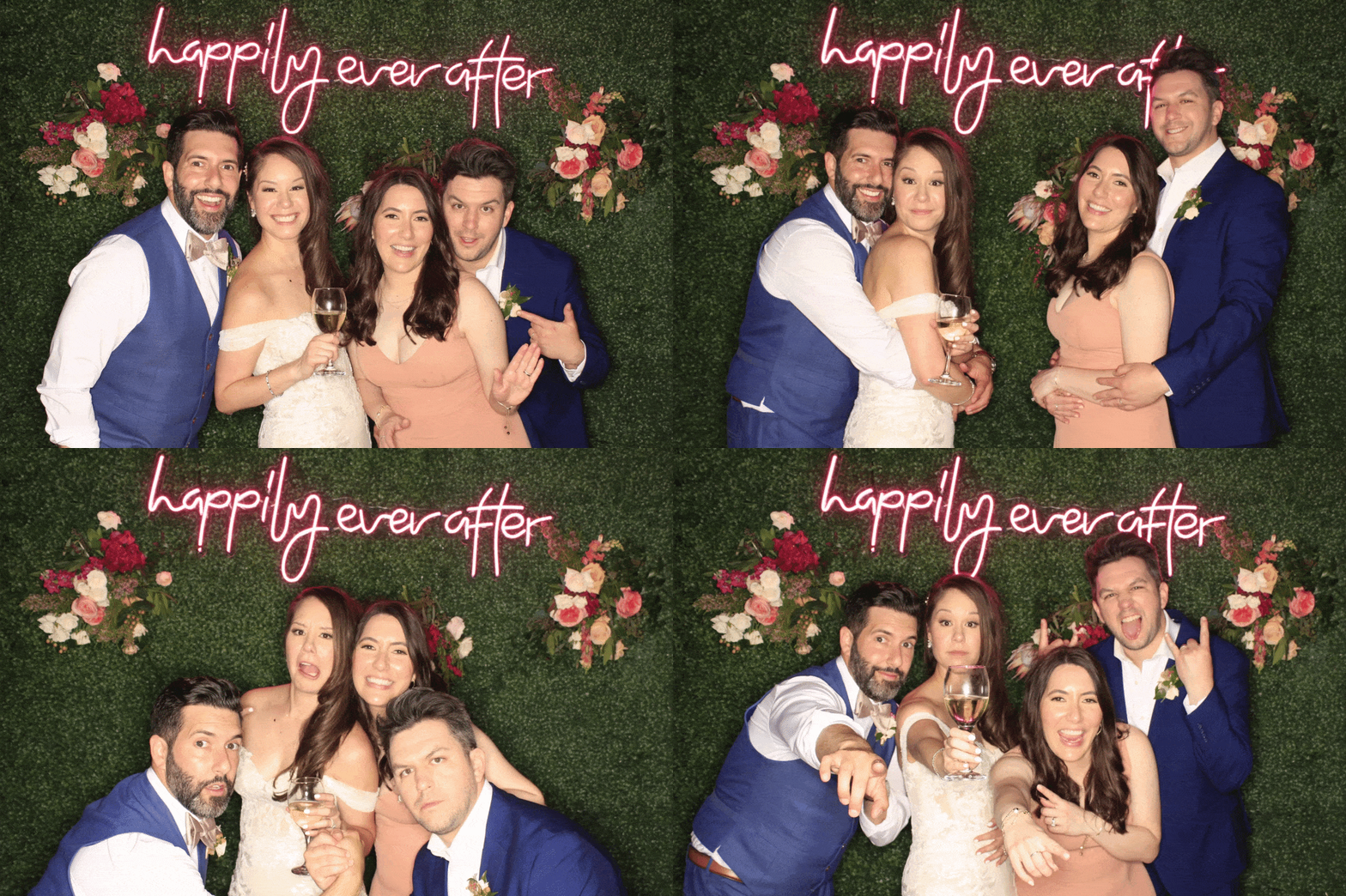
| Event/wedding clients | LED | Temporary use, shipping concerns |
| Outdoor commercial | Either | LED for most, glass for extreme heat |
Most customers don’t know the difference—and don’t care. Lead with LED neon as the default, mention glass as a premium option for customers who specifically ask about “real neon.”
Financing options increase average order value
Offering buy now, pay later financing (Klarna, Afterpay, Clearpay) increases average order value by 20-30% for most neon sign shops. Customers who’d order a 60cm sign order an 80cm sign instead when they can split payments.
Setup is straightforward through Shopify’s payment settings. Transaction fees run 2-6% depending on the provider—worth it for the volume increase.
Wholesale and bulk pricing
Wholesale LED neon suppliers in China offer material costs 40-60% lower than domestic suppliers. A medium sign’s materials drop from £40-80 to £20-40. Shipping adds £5-15 per sign in bulk orders (20+ units), with 2-3 week lead times.
Common wholesale pricing tiers:
- 1-10 signs: Standard retail pricing
- 11-25 signs: 10-15% discount
- 26-50 signs: 15-25% discount
- 50+ signs: Negotiate directly, expect 25-35% off
For glass neon, domestic sourcing usually makes more sense—shipping breakage rates from overseas suppliers run 15-25%.
Why LED neon dominates the market
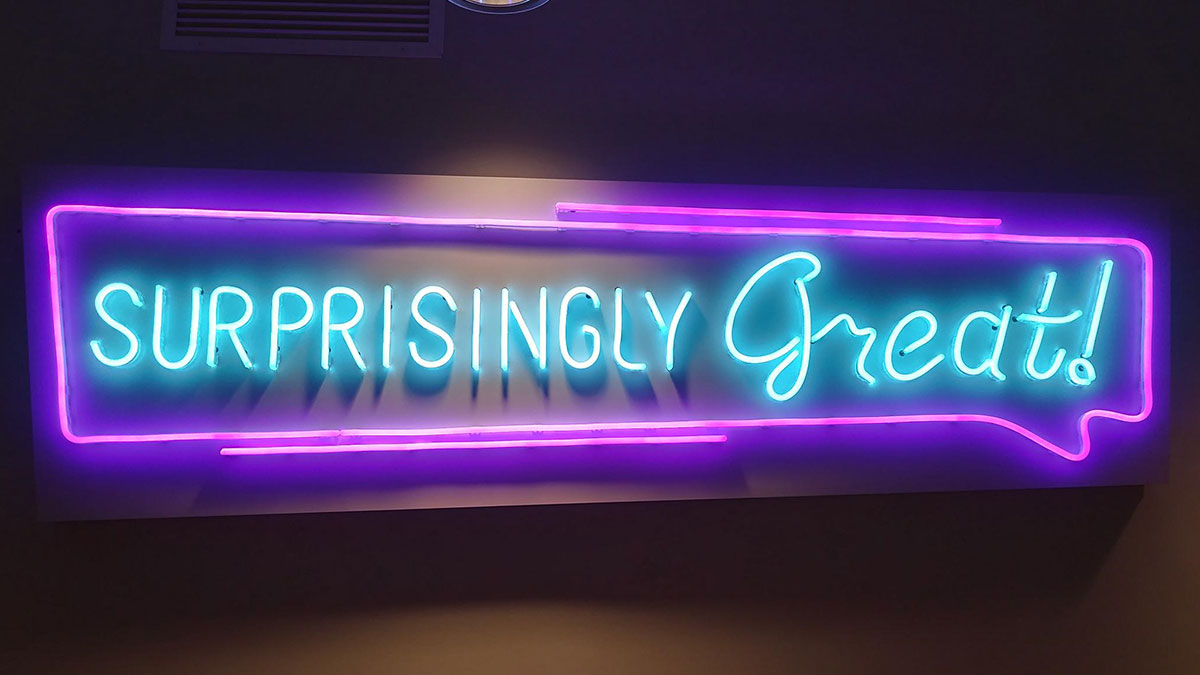
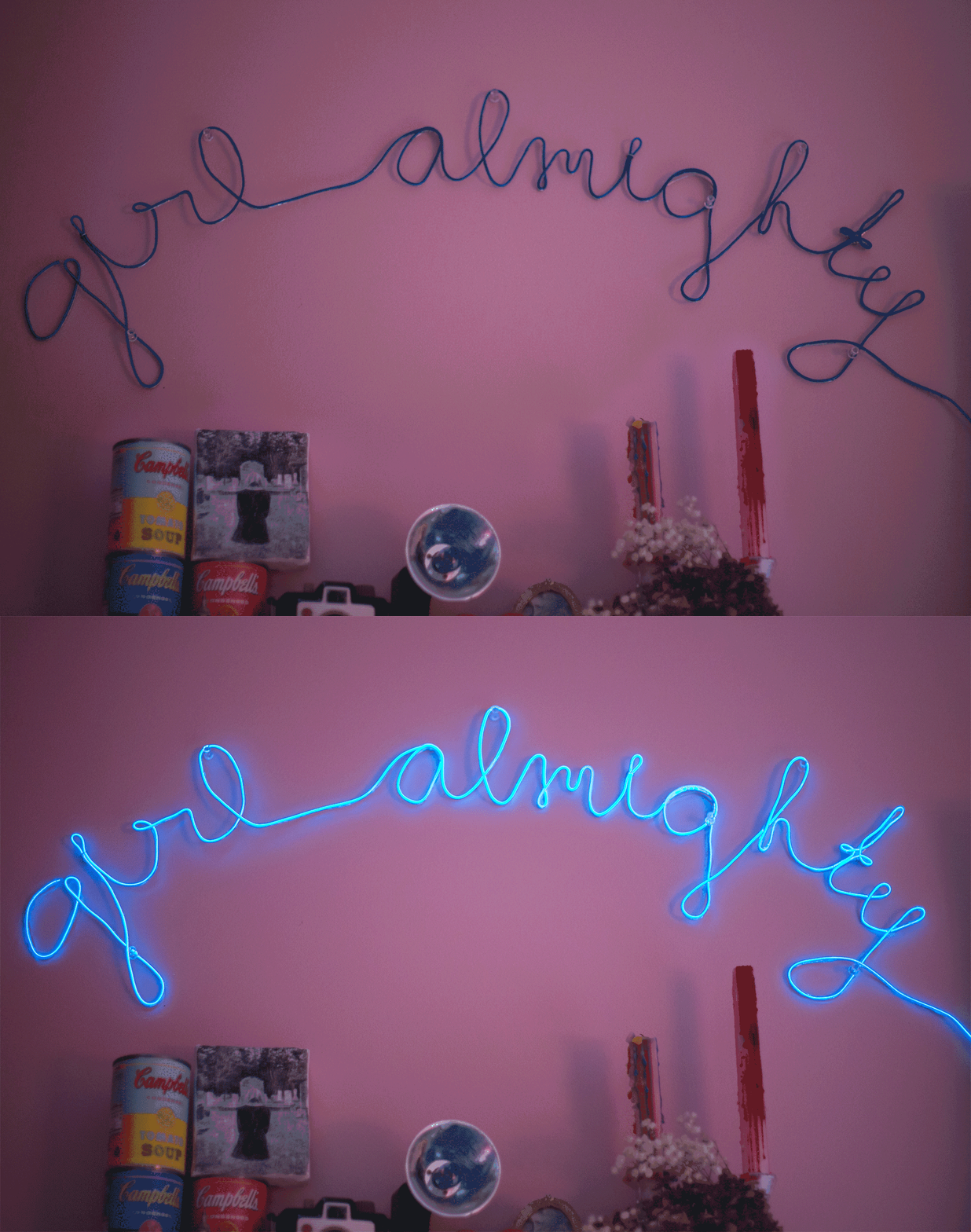
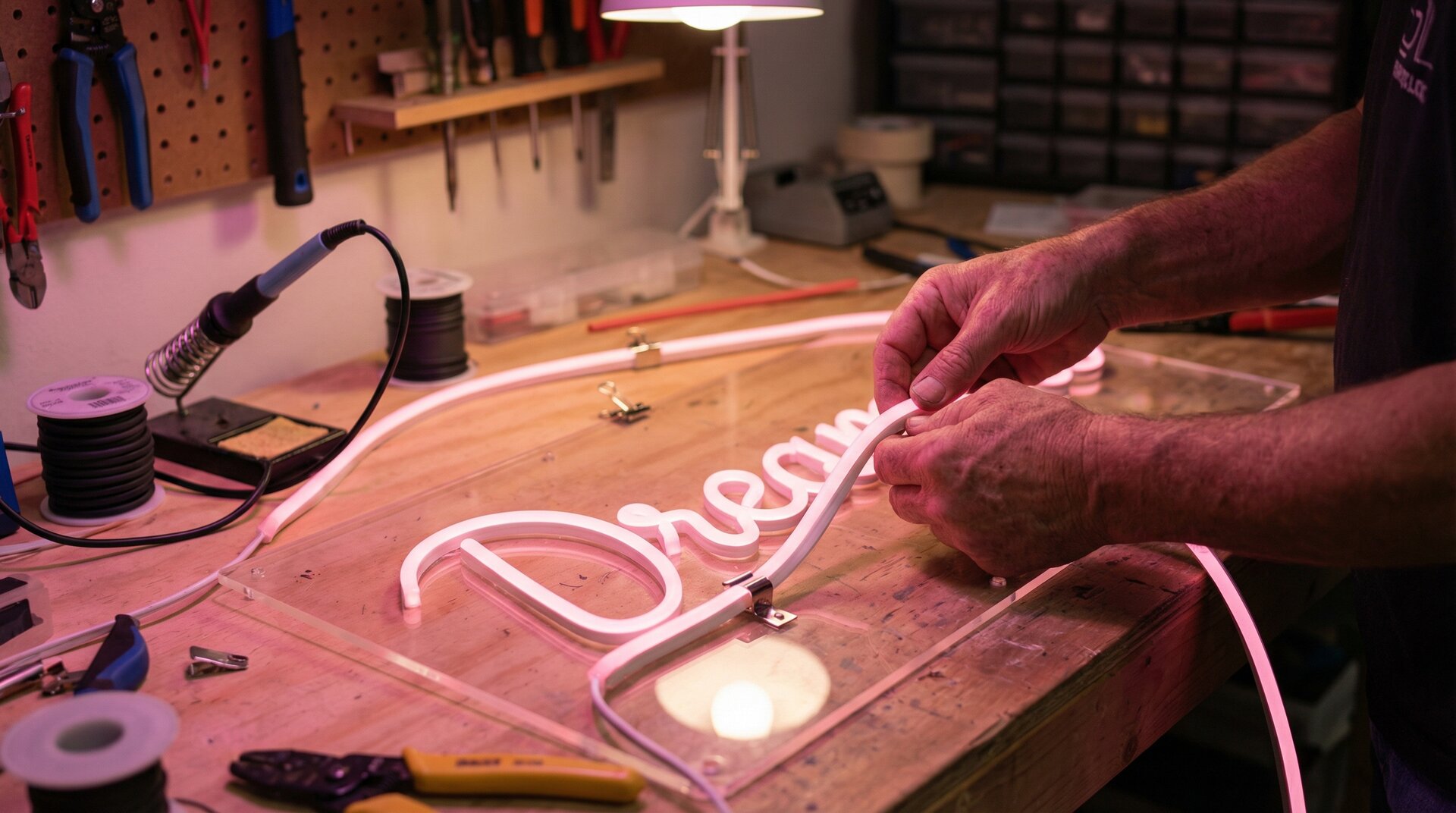
LED neon (sometimes called “faux neon” or “flex neon”) now accounts for 80-90% of the custom neon sign market. The economics are simple:
| Factor | Glass Neon | LED Neon |
|---|---|---|
| Production time | 4-8 hours | 1-2 hours |
| Skill required | Years of training | Days of training |
| Shipping breakage | 5-15% | < 1% |
| Installation | Professional only | DIY-friendly |
| Warranty risk | High | Low |
For most sign shops, LED neon means faster production, lower returns, and better margins. Glass neon has its place—vintage aesthetics, premium clients, extreme temperatures—but it’s the exception now, not the rule.
In-depth comparison: Neon versus LED: which is better for your shop?
How Sign Customiser Reduces Operational Costs
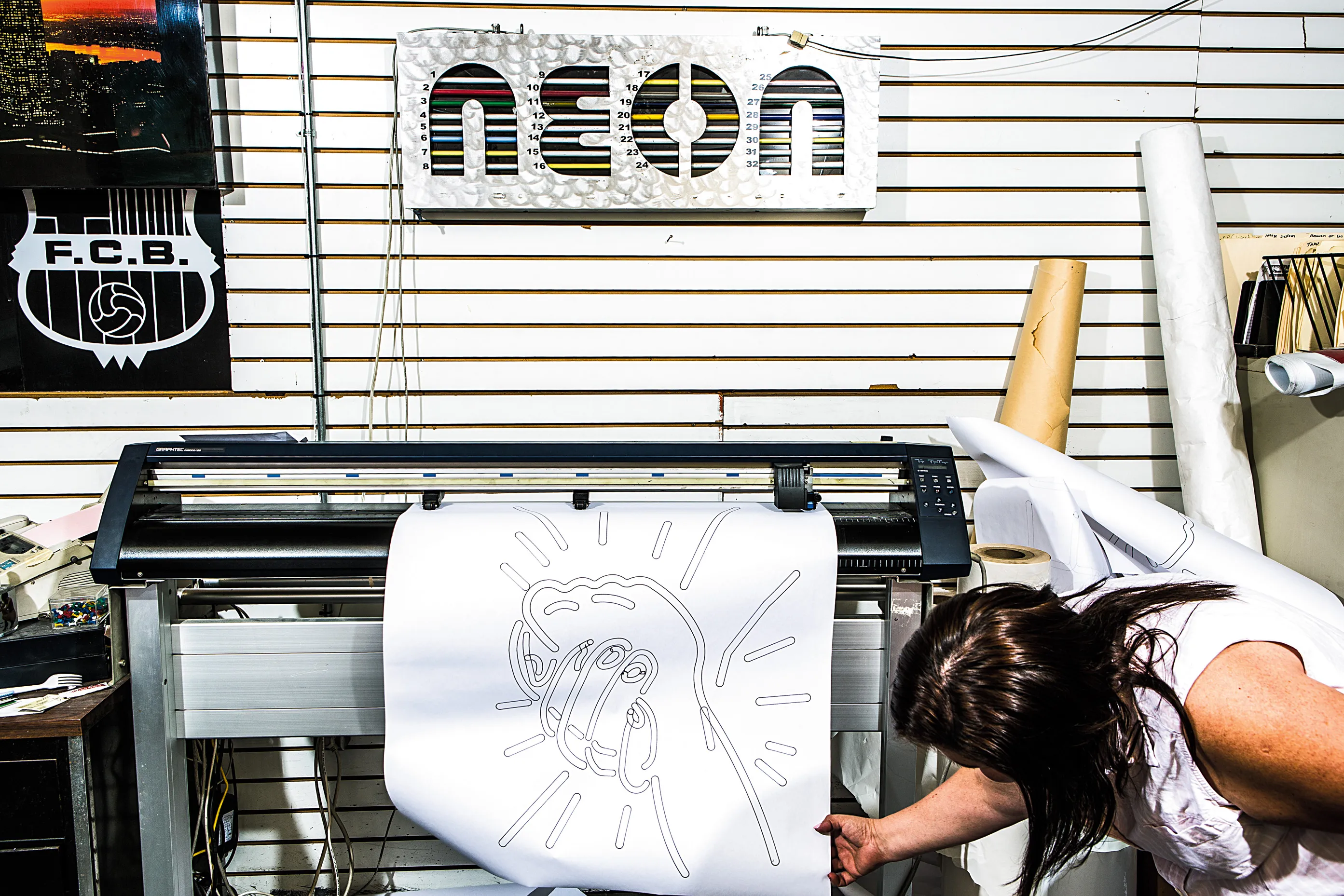
The biggest hidden cost in running a neon sign shop isn’t materials—it’s the back-and-forth with customers. A typical custom quote process:
- Customer enquires (email/form)
- You ask for details (size, text, colours)
- Customer responds (often incomplete)
- You create mockup (20-30 minutes)
- Customer requests changes (2-3 rounds average)
- You provide quote
- Customer either buys or ghosts
That’s 1-2 hours per lead. At a 30% conversion rate, you’re spending 3-6 hours of labour per sale.
Automated quoting eliminates manual work
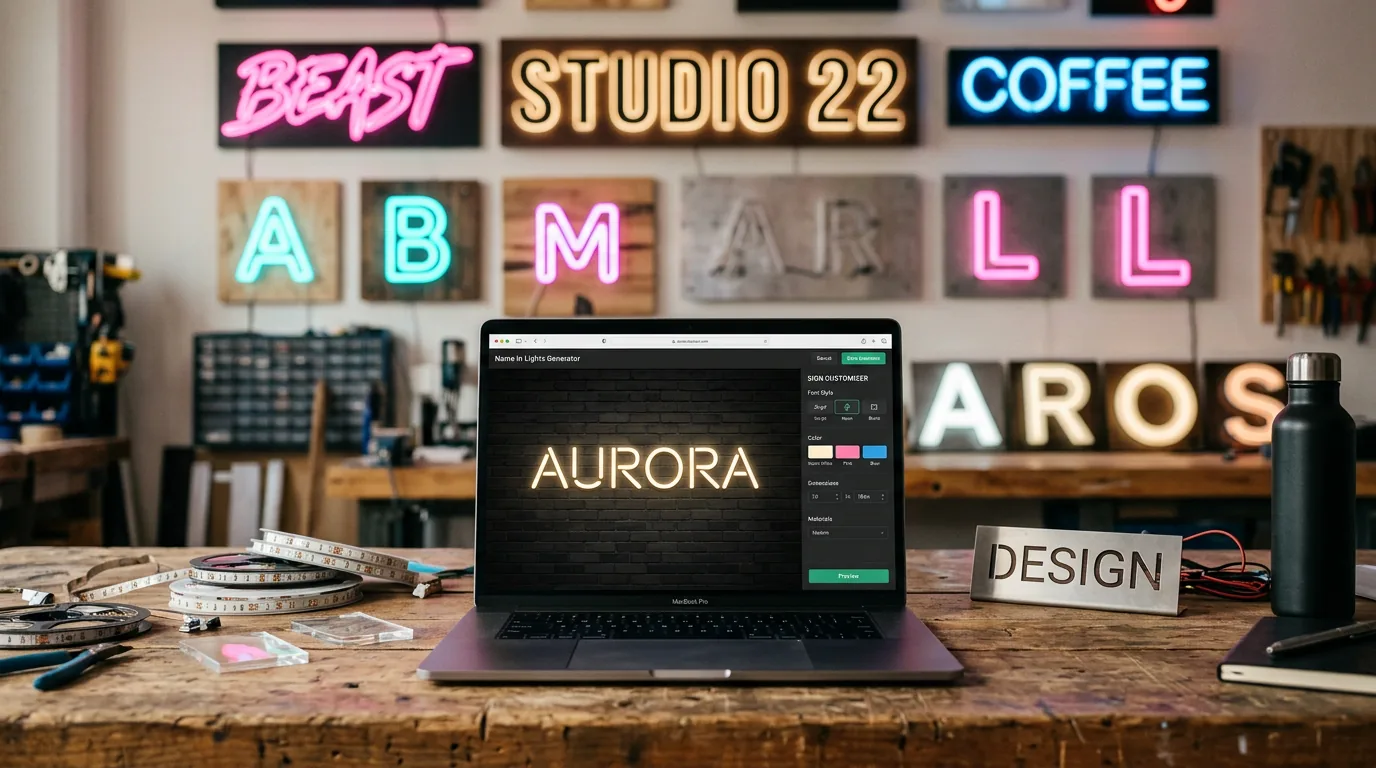
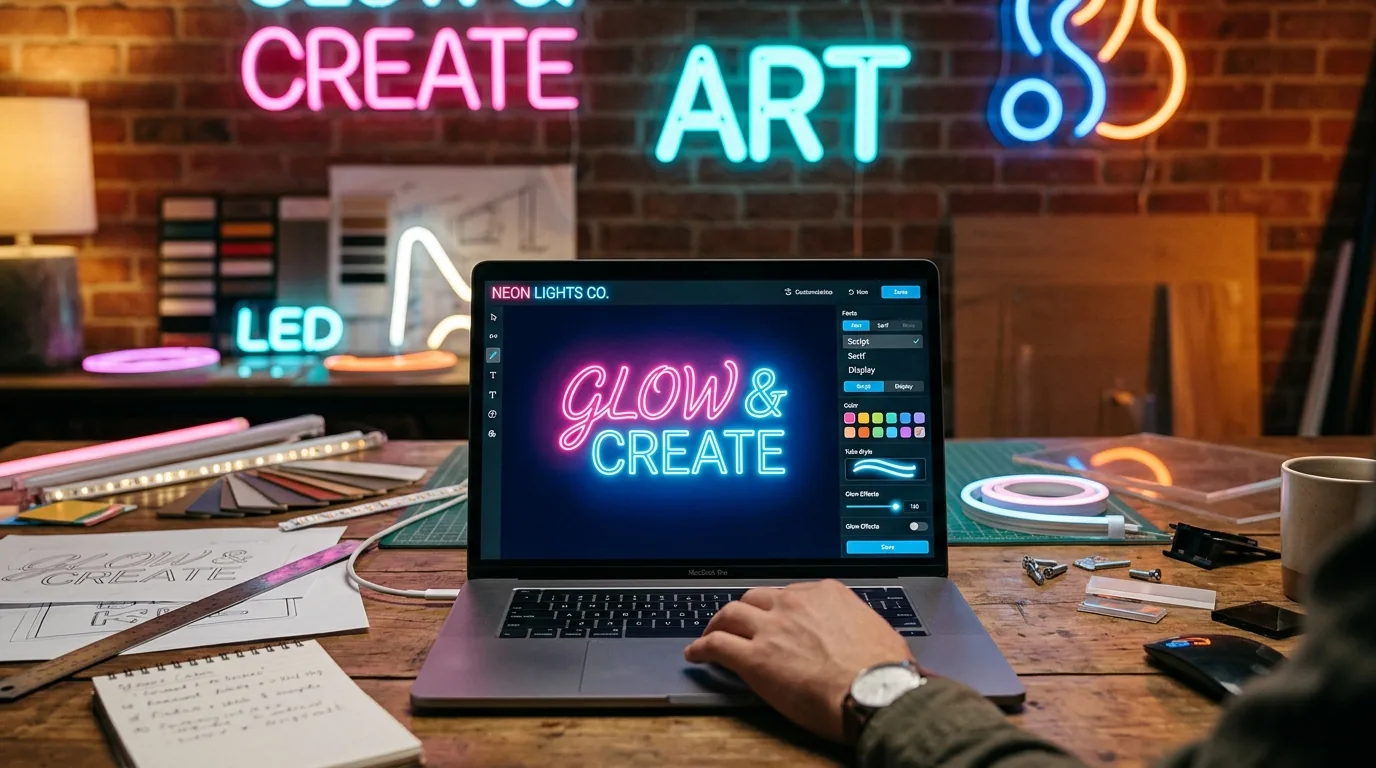
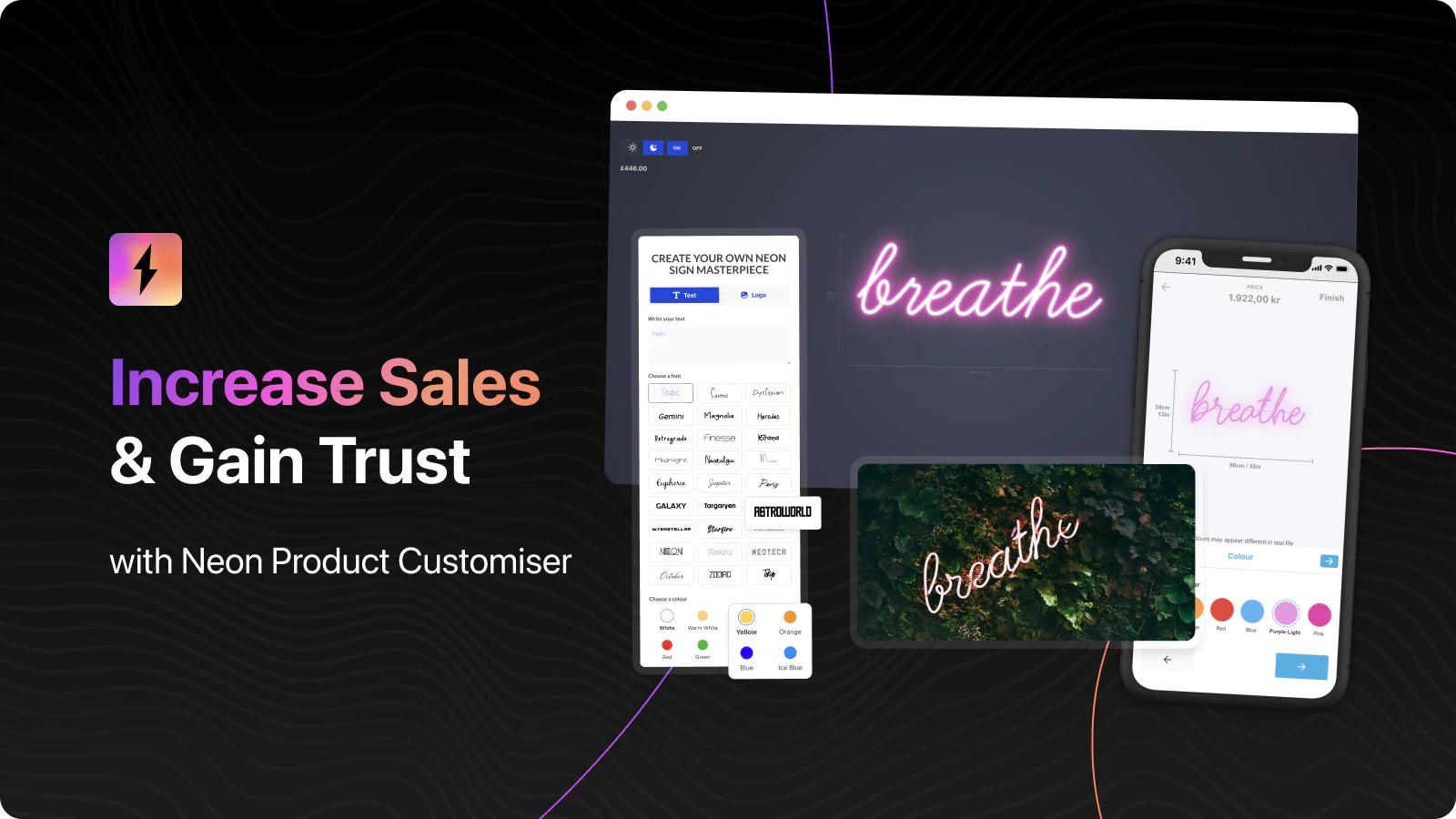
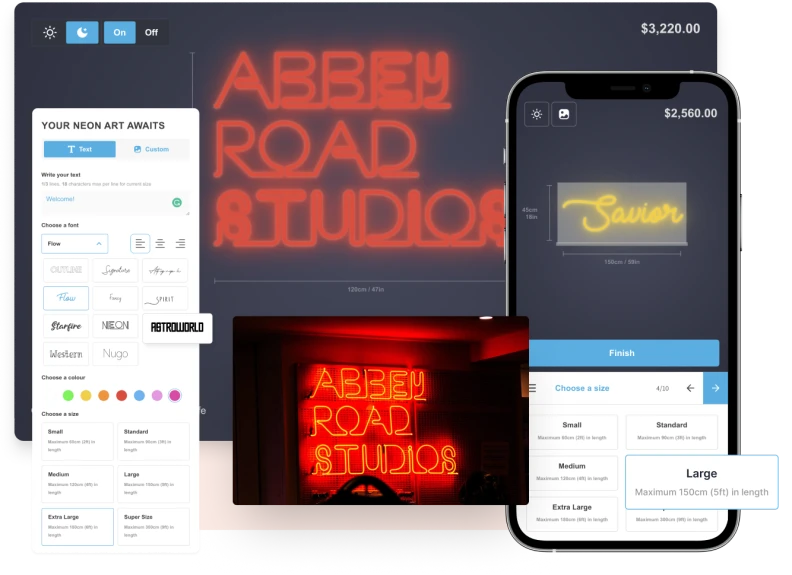
Sign Customiser lets customers design their own sign, see real-time pricing, and checkout—without you doing anything.
Try the live demo
The app handles:
- Real-time previews: Customers see exactly what they’re getting
- Instant pricing: No waiting for quotes, no price shock at checkout
- Production-ready specs: Font, size, colour, mounting options—all captured automatically
- Pricing model flexibility: Charge by character count, sign width, or material length
Time savings breakdown
| Task | Manual Process | With Sign Customiser |
|---|---|---|
| Design mockup | 20-30 min | 0 min (customer self-service) |
| Quote creation | 10-15 min | 0 min (automatic) |
| Revision rounds | 30-60 min | 0 min (customer adjusts live) |
| Order processing | 10-15 min | 2-3 min (specs ready to print) |
| Total per order | 70-120 min | 2-3 min |
At 50 orders per month, that’s 60-100 hours saved. At £15-25/hour for staff time, Sign Customiser pays for itself within the first month for most shops.
Install via the Shopify App Store or visit signcustomiser.com to see pricing options.
Summary
Neon signs are expensive because of materials (glass tubing, noble gases), skilled labour (years of training for glass bending), and operational overhead (quoting, mockups, revisions). LED neon solves most of these problems—cheaper materials, faster production, better margins.
For sign shop owners, the path to profitability is clear:
- Default to LED neon for 80-90% of orders
- Offer glass neon as a premium option for specific use cases
- Automate the sales process to cut labour costs
- Use financing options to increase average order value
The shops doing well in 2026 aren’t competing on price—they’re competing on convenience and speed. Same-week delivery, instant quotes, and self-service design tools set you apart from competitors still doing manual quotes.