Are Neon Signs Dangerous?
No, modern LED neon signs are not dangerous. They operate at low voltage (12V or 24V), produce minimal heat, and contain no toxic gases. Traditional glass neon signs have more safety considerations due to high voltage (3,000-15,000 volts) and fragile glass tubes, but when properly installed and maintained, they are also safe for home and business use.
Neon signs have been a popular choice for businesses and advertisers for decades, thanks to their vibrant colours and eye-catching displays. However, some people have raised concerns about the potential dangers of neon signs, including the risk of fires and electrical shocks, as well as the potential health hazards of exposure to the gases used in these signs. In this article, we will explore the potential hazards of neon signs and the safety measures that are in place to protect users and minimise the risks of these hazards.
This is chapter 11 in the neon sign library

How do neon signs work?
First, let’s take a look at how neon signs work. Neon signs are made up of glass tubes that are filled with neon or argon gas. When an electric current is applied to a gas, it can cause the atoms in the gas to become excited and release energy in the form of light. This is known as electrical discharge, and it is the principle behind the neon glow of neon signs.
The color of the light produced by neon signs depends on the type of gas used. Neon gas produces a reddish-orange color, while argon gas produces a pale blue color. By mixing different gases and using different colors of glass tubing, neon sign makers can create a wide range of colors and effects.
How neon lights works
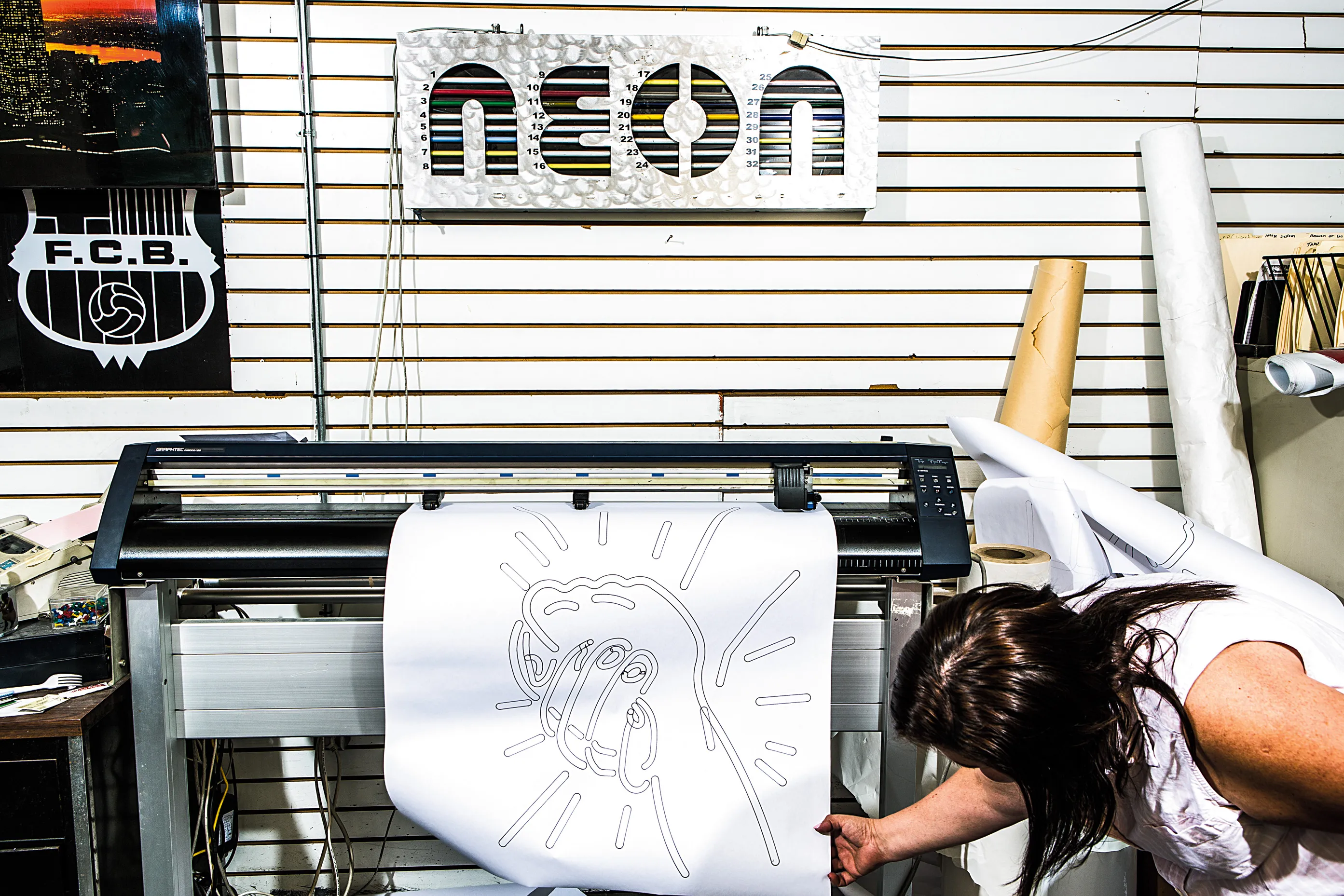
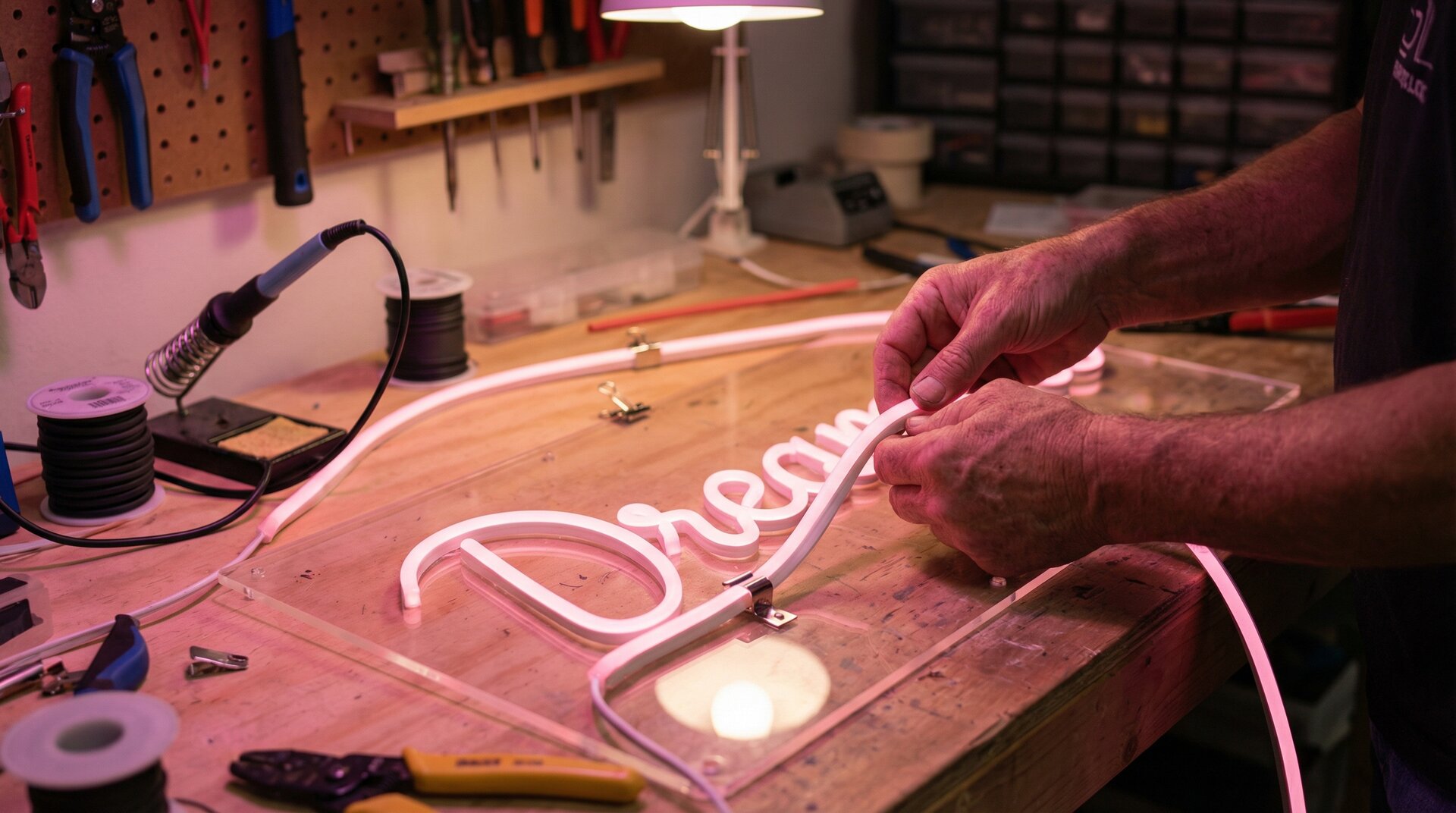
In addition to the gases and electricity, the glass tubing used in neon signs must be carefully bent and shaped into the desired shapes and letters, using specialized tools and techniques. This requires a high degree of skill and precision, and it is one of the reasons why neon signs can be expensive to produce.
Are neon signs dangerous by leaking toxic gasses and chemistry?
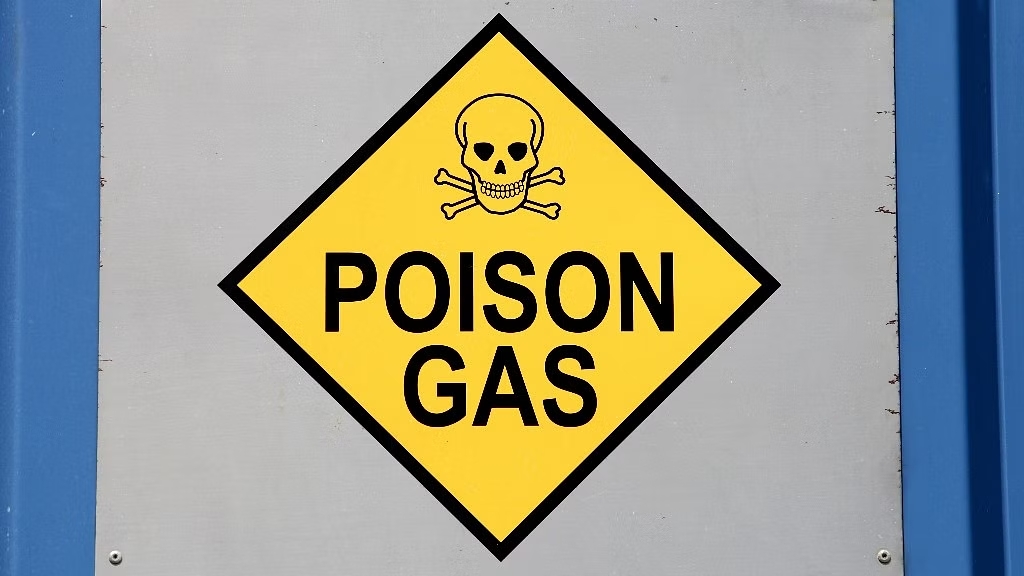
Another potential hazard of neon signs is the risk of exposure to the gases used in their production. Neon and argon are inert gases that are generally considered safe. However, in high concentrations, they can pose a risk to human health. Exposure to high levels of these gases can cause asphyxiation and other respiratory problems. Fortunately, this risk is typically minimal, as neon signs are designed to prevent the release of large amounts of gas.
Neon and argon gas are sealed inside the glass tubing of neon signs, and they are only released in small amounts when the electrical current is applied. This means that the risk of exposure to high levels of these gases is typically low, as long as the signs are used and maintained properly.
In addition to the design of neon signs, there are also safety regulations and standards in place to prevent the risks of exposure to these gases. Industry standards and government regulations provide guidelines for the production, installation, and maintenance of neon signs to ensure the safety of users and the public.
Can neon signs cause electric shock?
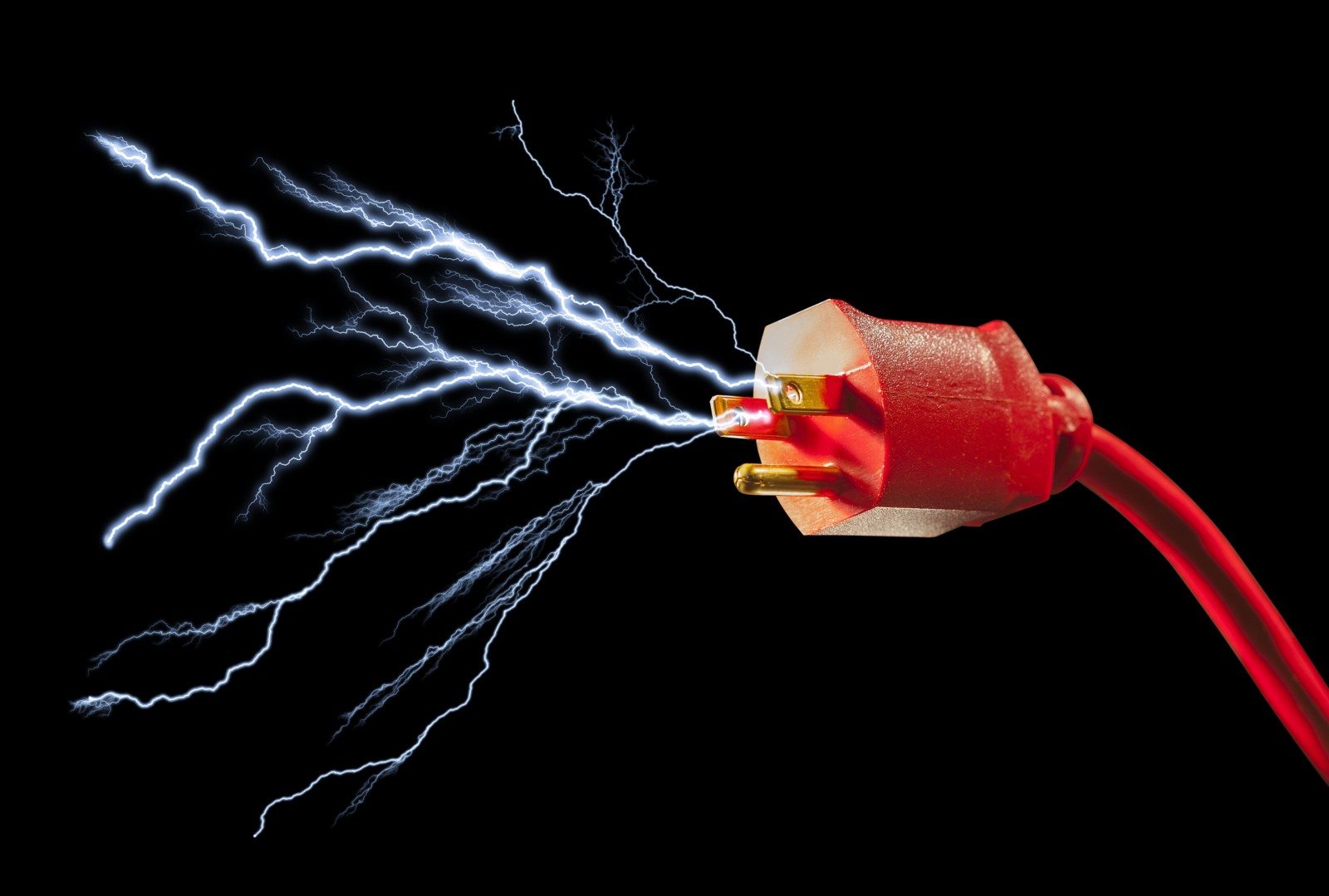
Neon signs use electricity to operate, but they are designed in a way that prevents electric shock. For example, the glass tubes of neon signs are made of non-conductive materials and are sealed, so there is no way for anyone to come into contact with the electric current. Additionally, neon signs typically have a transformer that reduces the voltage of the electricity to a safe level.
Just like traditional neon signs, LED neon signs do not pose a risk of electric shock. The LED lights used in these signs are low voltage and are sealed in a non-conductive material, so there is no way for anyone to come into contact with the electric current.
This means that neon signs are safe to use and do not pose a risk of electric shock. So, if you’re thinking about adding a neon sign to your home or business, you can confidently do so. Not only will it add a touch of character and charm, but you can rest assured that it is safe to use.
Can neon signs cause the risk of broken glass and falling signs?
However, in addition to the potential electrical and health hazards of neon signs, there are also other potential risks associated with these displays. In this article, we will explore the potential risks of injury from broken glass and damage to property from fallen neon signs and discuss the measures that can be taken to minimize these risks.
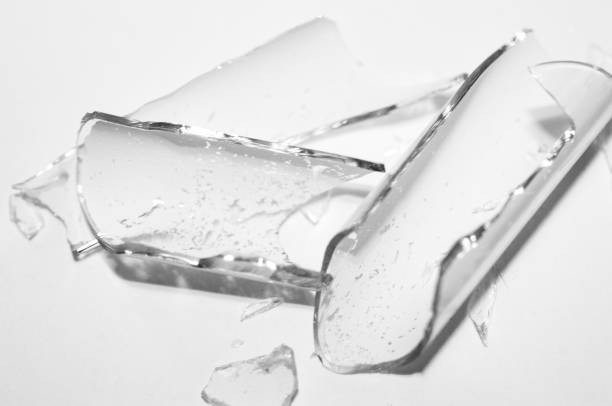
One potential risk associated with neon signs is the risk of injury from broken glass. Neon signs are made up of glass tubes that are bent and shaped into the desired shapes and letters. While the glass used in neon signs is specially designed to be strong and durable, it is still possible for the tubes to break if they are mishandled or subjected to excessive force. If a neon sign breaks, it can release shards of sharp glass that can cause cuts and other injuries.
To minimize the risk of injury from broken glass, it is important to follow the manufacturer’s instructions for handling and installing neon signs. This includes using the correct tools and techniques for bending and shaping the glass tubes, as well as ensuring that the signs are securely mounted and supported. In addition, it is important to avoid tampering with neon signs or using them in ways that could cause them to break, such as hanging heavy objects from them or using them in high-wind areas.
Another potential risk associated with neon signs is the risk of damage to property from fallen signs. If a neon sign is not securely mounted or supported, it can fall from its mounting, potentially causing damage to nearby property or structures. In addition, if a neon sign falls from a height, it can cause damage to anything that it falls on.
Is it possible for neon signs to ignite and cause a fire?

Neon signs can ignite and cause a fire, but it is not common. Neon signs use electrified neon gas to create the bright, glowing colors that make them so eye-catching. This gas is contained within a glass tube, sealed at both ends to prevent the gas from escaping. For a neon sign to ignite, the gas inside the tube must escape and come into contact with an ignition source, such as a spark or open flame.
Several factors can cause the gas in a neon sign to escape and potentially ignite. One of the most common is damage to the glass tube. If the tube is cracked or broken, the gas inside can leak out and come into contact with other materials, potentially igniting a fire. Another potential cause of gas leakage is improper installation or maintenance of the neon sign. If the sign is not secured correctly or the connections between the tube and the power source are not tight, gas can escape and potentially ignite.
To prevent a neon sign from igniting and causing a fire, it is essential to inspect the sign for damage regularly and to maintain and install it properly. If the sign is damaged or not working correctly, it should be repaired or replaced as soon as possible. In addition, it is essential to keep the area around the neon sign free of flammable materials and to avoid exposing the sign to extreme temperatures or other potentially hazardous conditions. Following these guidelines can significantly reduce the risk of a neon sign igniting and causing a fire.
Are neon signs safe for the environment?
Neon signs are generally safe for the environment when properly disposed of. Neon signs use electrified neon gas to create their bright, glowing colors. This gas is contained within a glass tube, sealed at both ends to prevent the gas from escaping. Therefore, when the neon sign is functioning correctly, the gas is not released into the environment and poses no threat.
However, there are some potential environmental concerns associated with neon signs. One of the biggest concerns is the disposal of neon signs that are no longer in use. If a neon sign is not properly disposed of, the gas inside the tube can leak out and potentially harm the environment. This is especially true if the sign is broken or damaged, as the gas can escape more easily. To avoid this, it is essential to dispose of neon signs properly and to recycle the glass and other materials whenever possible.
Another potential environmental concern is the manufacturing of neon signs. Creating glass tubes and filling them with neon gas can produce some waste materials and emissions. However, many neon sign manufacturers have implemented eco-friendly practices and use recycled materials to reduce their environmental impact. By choosing to buy neon signs from manufacturers with a commitment to sustainability, the environmental impact of neon signs can be minimized.
How can producers & customers stay safe around neon signs?
#1 Follow the manufacturer’s instructions
One way to stay safe around neon signs is to follow the manufacturer’s instructions for installation, use, and maintenance of these displays. Neon signs are complex and delicate devices that require specialized knowledge and skills to operate and maintain safely. By following the manufacturer’s instructions, users can ensure that they are using neon signs properly and minimizing the risks of hazards, view a list of neon sign manufacturers by installing Sign Customiser on your shopify store.
#2 Use the correct tools and techniques to bend and shape glass tubes
Another way to stay safe around neon signs is to use the correct tools and techniques for bending and shaping the glass tubing of these displays. Neon signs are made up of glass tubes that are bent and shaped into the desired shapes and letters. This requires specialized tools and techniques, and it is important to use the correct tools and techniques to avoid damaging the glass or exposing oneself to the risk of injury.
#3 Avoid deranging your neon signs
To stay safe around neon signs, it is also important to avoid tampering with these displays or using them in ways that could cause them to break or fall. Neon signs are fragile and can break if they are subjected to excessive force or mishandled. By avoiding tampering with neon signs or using them in ways that could cause them to break, users can minimize the risks of injury from broken glass and damage to property from fallen signs.
#4 Use the correct mounting hardware and techniques
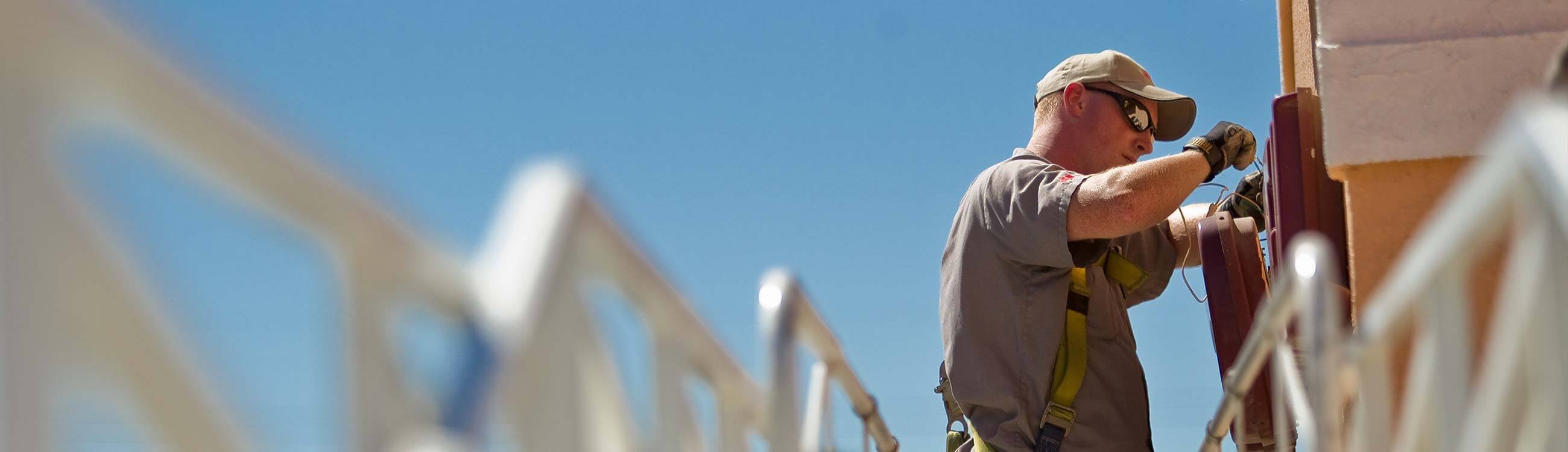
In order to stay safe around neon signs, it is also important to use the correct mounting hardware and techniques to attach these displays to stable and supportive structures securely. If a neon sign is not securely mounted, it can fall from its mounting, potentially causing damage to nearby property or structures. By using the correct mounting hardware and techniques, users can ensure that their neon signs are securely attached and supported, minimizing the risks of damage from fallen signs.
#5 Inspect and maintain regularly
Regularly inspecting and maintaining neon signs, users can identify and repair any damage or degradation, ensuring that the signs are in good working order and minimizing the risks of hazards. This can include checking the condition of the glass tubing and the electrical components, as well as testing the signs for proper operation and gas leakage.
#6 Keep children away from neon signs
It is important to keep children away from neon signs to ensure their safety. The high voltage electricity used to power the neon sign can be dangerous if a child were to touch it. To prevent these risks, it is important to keep children away from neon signs and to properly maintain and install the signs to prevent damage to the glass tubes.
#7 Keep the power plug sockets from being overloaded
To prevent power plug sockets from being overloaded, it is important to only plug in as many devices as the socket can safely handle. Most power sockets are rated for a specific amount of electrical current, and exceeding this limit can cause the socket to overheat and potentially start a fire.
To avoid this, it is important to check the ratings on the power socket and the devices that will be plugged into it, and to only plug in as many devices as the socket can handle. In addition, it is a good idea to avoid using power strips or extension cords that can add extra devices to a single power socket, as this can increase the risk of overloading.
#8 Place your neon signs away from the water
It is important to place your neon signs away from water to prevent the risk of electrocution and damage to the sign. Neon signs use high voltage electricity to power the neon gas inside the glass tube, creating the bright, glowing colors. If a neon sign is placed near water, there is a risk that the electricity could conduct through the water and shock anyone who is nearby.
In addition, water can damage the glass tube and other components of the neon sign, causing it to malfunction or break. To prevent these risks, it is important to place your neon signs in a dry location away from sources of water. This will help ensure the safety of those around the sign and help the sign to function properly for a longer period of time.
#9 Keep your neon signs away from combustible materials
It is important to keep your neon signs away from combustible materials to prevent the risk of a fire. Neon signs use electrified neon gas to create their bright, glowing colors. If the gas inside the glass tube of a neon sign were to come into contact with a combustible material, such as paper or cloth, it could ignite and cause a fire.
To prevent this, it is important to keep your neon signs away from any materials that could potentially catch fire. This includes keeping the area around the sign free of clutter and making sure that the sign is not placed near any heat sources, such as open flames or hot appliances. By following these guidelines, you can help to prevent a fire and keep your neon sign and your home or business safe.
#10 Keep alert with your neon signs during using
Finally, staying safe around neon signs also involves being aware of the potential hazards of these displays and taking steps to minimize the risks of these hazards. Neon signs can pose risks such as electrical fires or shocks, as well as the risk of exposure to the gases used in their production. By understanding these risks and taking appropriate safety measures, users can stay safe around neon signs and continue to enjoy the vibrant and eye-catching displays that these signs provide.
Solutions for neon signs emergencies
#11 What to do when neon signs cause poisoning?
If a neon sign causes poisoning, it is important to seek medical attention immediately. Symptoms of neon gas poisoning can include dizziness, headache, nausea, and difficulty breathing. If these symptoms are present, call 911 or seek medical attention immediately. Be sure to provide any relevant information about the neon sign and the potential exposure to the medical professionals who are assisting you.
In addition to seeking medical attention, it is important to address the source of the poisoning. If the glass tube of the neon sign is broken or damaged, the gas inside can continue to leak out and potentially cause further harm. To prevent this, shut off the power to the neon sign and unplug it if possible.
#12 What to do when neon signs cause electric shock?
If a neon sign causes electric shock, it is important to take immediate action to prevent further injury. The first step is to shut off the power to the neon sign and unplug it if possible. This will stop the flow of electricity and prevent anyone else from being shocked. Then, provide first aid to anyone who has been injured. If necessary, call 911 or seek medical attention immediately. Be sure to provide any relevant information about the neon sign and the electric shock to the medical professionals or first responders who are assisting you.
In addition, it is important to identify the cause of the electric shock and address any potential hazards. This may involve checking the wiring and connections of the neon sign, as well as the power source and any other electrical devices in the area. If necessary, have a qualified electrician inspect the area to ensure that it is safe. By taking these steps, you can help prevent further injuries and keep your neon sign and your home or business safe.
#13 What to do when neon signs fall and get broken?
If a neon sign falls and gets broken, it is important to take immediate action to prevent the risk of injury and damage. If the glass tube of the neon sign is broken, the neon gas inside can leak out and potentially ignite, causing a fire. In addition, the high voltage electricity used to power the neon sign can be dangerous if it comes into contact with anyone or anything.
To prevent these risks, the first step is to shut off the power to the neon sign and unplug it if possible. Then, carefully remove any broken glass and dispose of it properly. If the neon sign is still usable, it can be repaired or replaced as needed. If the sign is no longer functioning properly, it should be disposed of properly to prevent the risk of harm to people or the environment.
#14 What to do when neon signs cause a fire and burn injury?
If a neon sign causes a fire and burn injury, it is important to take immediate action to extinguish the fire and provide first aid to anyone who has been injured. The first step is to turn off the power to the neon sign and unplug it if possible. Then, use a fire extinguisher or other appropriate method to put out the fire. If the fire cannot be quickly contained, evacuate the area and call the fire department.
Once the fire is out, provide first aid to anyone who has been injured. If necessary, call 911 or seek medical attention immediately. Be sure to provide any relevant information about the neon sign and the fire to the medical professionals or first responders who are assisting you. In addition, it is important to properly dispose of the damaged neon sign and to identify and address any potential hazards or causes of the fire to prevent future incidents.
Frequently Asked Questions
Is neon flammable?
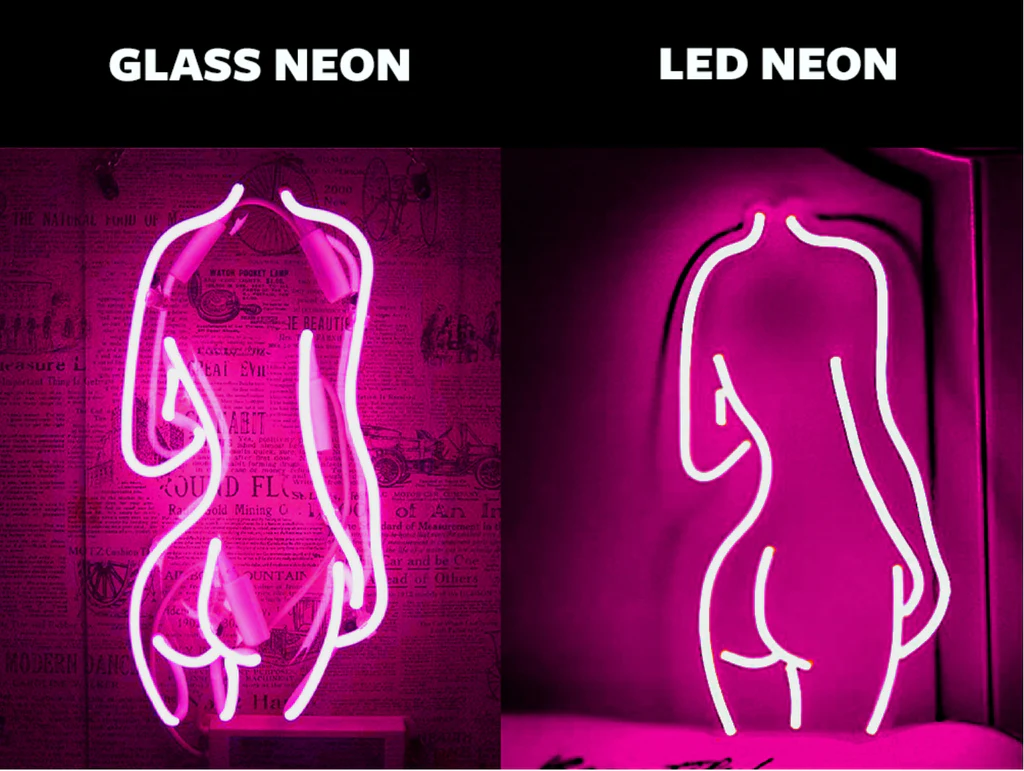
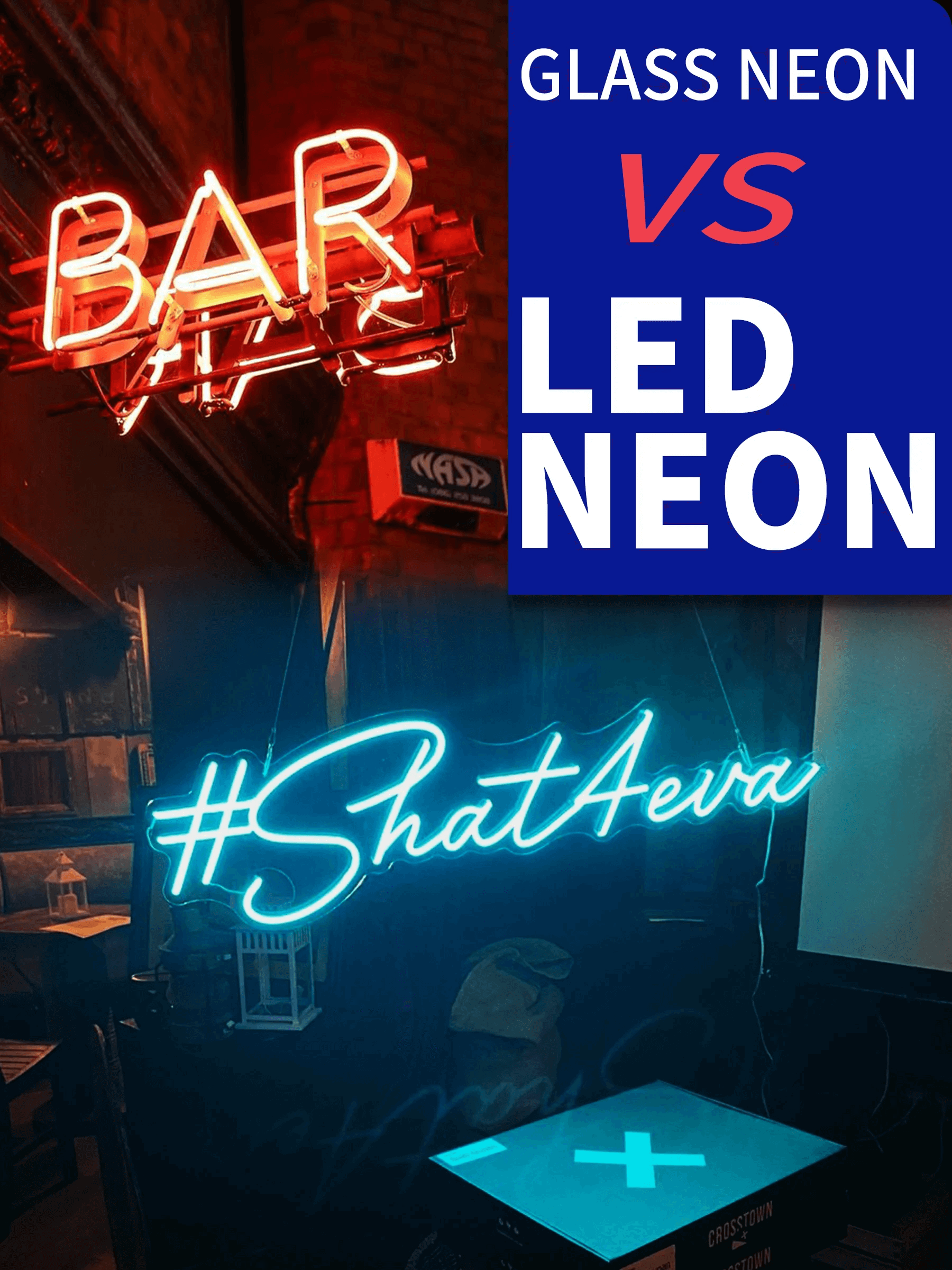
No, neon gas itself is not flammable. It is an inert noble gas that does not react with other elements or compounds. The glass tubes containing neon gas cannot catch fire or explode under normal circumstances. LED neon signs contain no gas at all and use flexible silicone tubing with LED strips inside.
Are neon signs a fire hazard?
LED neon signs are not a fire hazard because they operate at low voltage (12V or 24V) and produce minimal heat. Traditional glass neon signs have a very low fire risk when properly installed, though the transformer should be kept away from flammable materials. The neon gas inside the tubes is inert and cannot ignite.
Is it safe to leave neon signs on all night?
Yes, LED neon signs are safe to leave on continuously. They produce very little heat and are designed for extended use. Many businesses leave their neon signs on 24/7 without any safety concerns. LED neon signs are particularly energy-efficient and safe for overnight operation.
Do neon signs get hot?
LED neon signs do not get hot - they remain cool to the touch even after hours of operation. Traditional glass neon signs generate some warmth around the transformer, but the glass tubes themselves stay relatively cool as neon gas produces light through electrical excitation rather than heat.
Are neon signs dangerous to touch?
Modern LED neon signs are completely safe to touch while operating. Traditional glass neon signs have high-voltage wiring, so you should avoid touching internal components, but the glass tubes themselves are generally safe to touch briefly. Always ensure the sign is unplugged before handling internal parts.
Is neon dangerous to breathe?
Neon gas is non-toxic and poses no health risk in the small quantities found in signs. It is an inert noble gas that makes up a tiny fraction of Earth’s atmosphere. Even if a glass tube were to break, the amount of neon released would be negligible and would quickly disperse. LED neon signs contain no gas at all.
Are neon signs fragile?
Traditional glass neon signs are fragile and can break if mishandled or dropped. LED neon signs are much more durable, made from flexible silicone or PVC tubing that can withstand impacts and bending. For high-traffic areas, LED neon is the safer, more practical choice.
Do neon signs give off radiation?
No, neon signs do not emit harmful radiation. They produce light through fluorescent discharge, not nuclear reactions. The only emission is visible light, which is safe. LED neon signs use light-emitting diodes, which also produce no radiation beyond visible light.
Can neon lights hurt your eyes?
Like any bright light source, staring directly at neon signs for extended periods can cause eye strain. However, normal viewing from typical distances is completely safe. If using neon signs as ambient lighting, consider using a dimmer to adjust brightness levels for comfort.
Can neon signs explode?
Neon signs cannot explode. The gas inside traditional neon tubes is at low pressure and is chemically inert. The tubes may crack or break if physically damaged, but they will not explode. LED neon signs have no pressurised components whatsoever.
Is it safe to put neon signs outdoors?
Outdoor-rated neon signs with appropriate IP (Ingress Protection) ratings are safe for exterior use. Look for IP65 or higher ratings for weatherproof protection. The sign should be professionally installed with proper electrical connections protected from moisture.
Do I need a fireman’s switch for neon sign installations?
In most residential and small commercial settings, a fireman’s switch is not required. Industrial locations like factories or warehouses may require one due to additional safety regulations. Check your local building codes or consult an electrician for requirements in your area.
Conclusions
Overall, while there are potential hazards associated with neon signs, these risks can be effectively managed through the use of safety measures and proper care and maintenance. When used and maintained properly, neon signs can continue to provide a colourful and attractive addition to businesses and events, without posing an undue risk to users. You can absolutely share this post with friends to keep them safe around neon signs.
Sell Custom Neon Signs on Your Website
Want to let your customers design and order custom neon signs online? Sign Customiser adds a neon sign designer to your Shopify or WooCommerce store with real-time pricing and instant quotes.